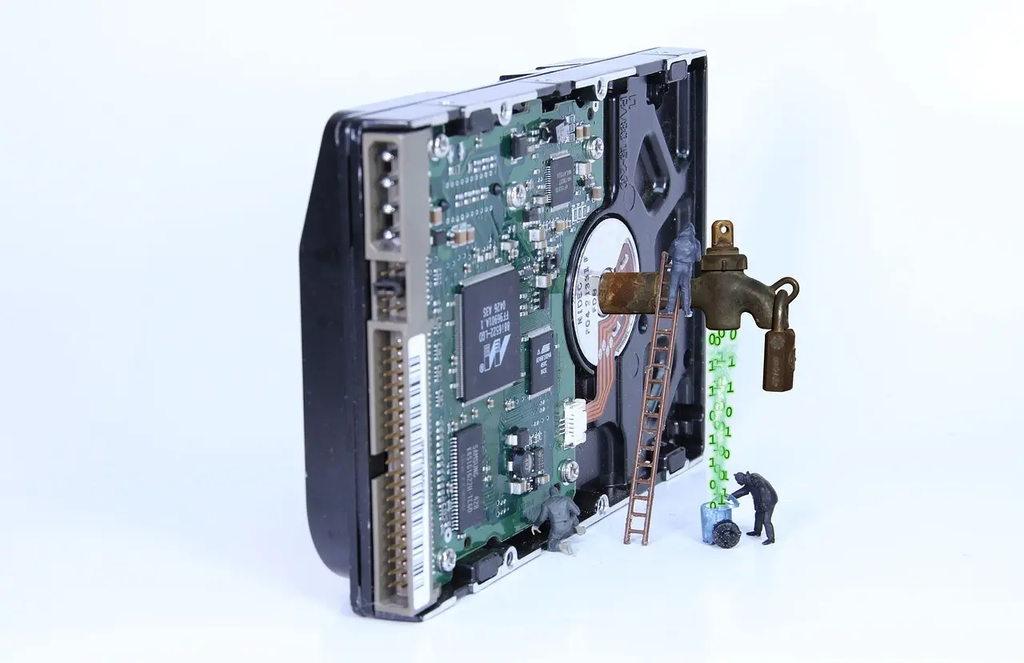
Drift detection and data quality gates are processes used to monitor and maintain the reliability of data pipelines. Drift detection identifies changes in data patterns or distributions that could impact model performance or analytics. Data quality gates are checkpoints that assess incoming data against predefined quality criteria, such as completeness, accuracy, and consistency, before allowing it to proceed. Together, they help ensure that only high-quality, relevant data is used in downstream systems.
Drift detection and data quality gates
Drift detection and data quality gates are processes used to monitor and maintain the reliability of data pipelines. Drift detection identifies changes in data patterns or distributions that could impact model performance or analytics. Data quality gates are checkpoints that assess incoming data against predefined quality criteria, such as completeness, accuracy, and consistency, before allowing it to proceed. Together, they help ensure that only high-quality, relevant data is used in downstream systems.

💡 Key Takeaways
- Understand drift detection: how changes in data distributions can affect model performance and analytics.
- Learn how data quality gates act as checkpoints to validate incoming data before it enters pipelines.
- Recognize common drift and quality metrics and methods (e.g., feature drift, distribution shifts, data completeness, timeliness).
- Explore future trends in AI risk readiness: automated monitoring, data lineage, governance, and building drift-aware, resilient data pipelines.
❓ Frequently Asked Questions
What is drift detection in data pipelines?
A process that monitors data over time to identify shifts in distributions or patterns that may reduce model accuracy or analytics reliability.
What are data quality gates?
Checkpoints that validate incoming data against quality criteria such as completeness, accuracy, timeliness, and consistency before it’s used.
Why are drift detection and data quality gates important for AI risk readiness?
They help maintain model performance, surface data issues early, and support governance and risk management by ensuring reliable data.
What are common techniques and future trends in drift detection and data quality gates?
Techniques include statistical drift tests (e.g., KS test, PSI), distribution monitoring, and model performance checks; gates rely on predefined data quality rules. Future trends include real-time automation, integrated governance, data lineage, MLOps integration, and the use of synthetic data for testing.