Driving abroad involves understanding and adapting to the specific rules and conventions of the country you are visiting. These may include differences in speed limits, road signs, driving on the opposite side of the road, and local traffic laws. Familiarizing yourself with these regulations is essential for safety and legal compliance. Additionally, international driving permits, insurance requirements, and local customs should be considered before driving in a foreign country.
Driving Abroad: Rules and Conventions
Driving abroad involves understanding and adapting to the specific rules and conventions of the country you are visiting. These may include differences in speed limits, road signs, driving on the opposite side of the road, and local traffic laws. Familiarizing yourself with these regulations is essential for safety and legal compliance. Additionally, international driving permits, insurance requirements, and local customs should be considered before driving in a foreign country.
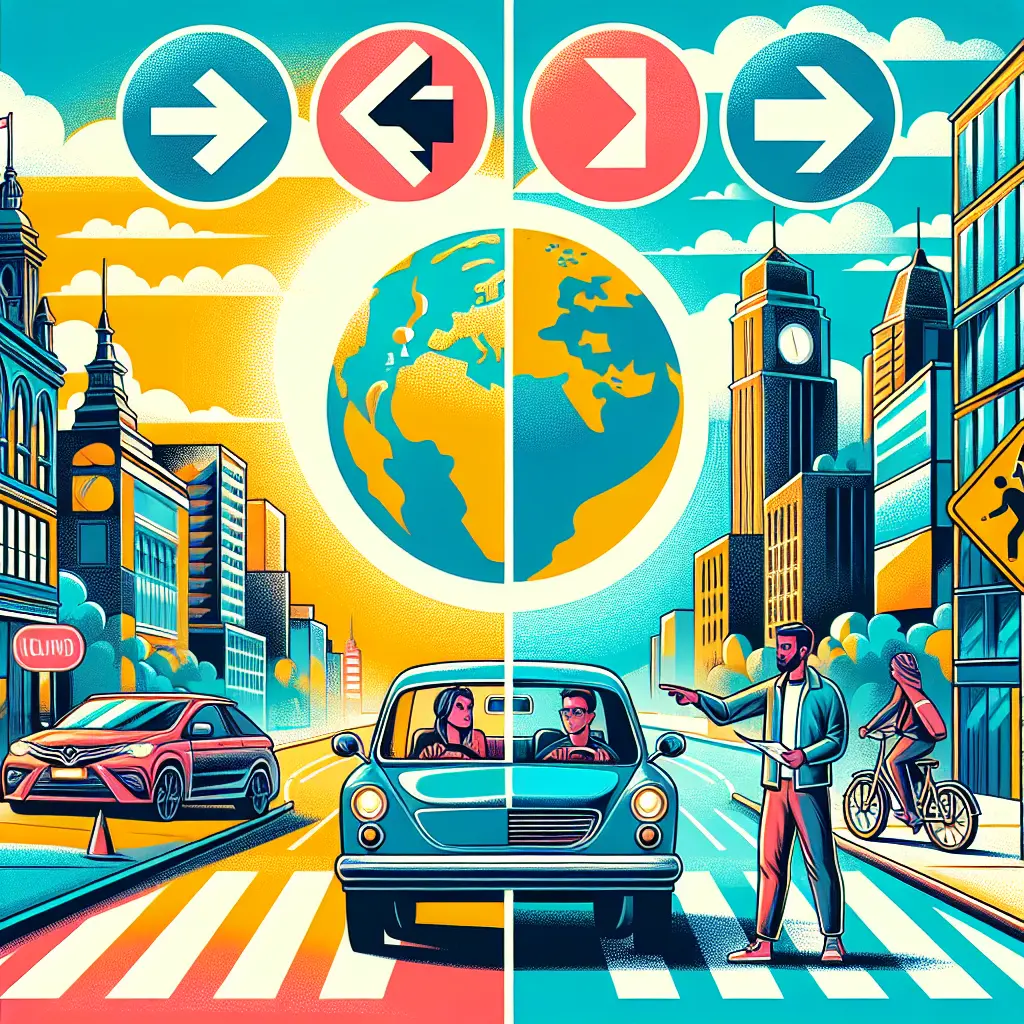
💡 Key Takeaways
- Understand country-specific speed limits, road signs, and common driving conventions abroad.
- Adapt to driving on the opposite side of the road and adjust lane discipline for turns and intersections.
- Learn local traffic laws and safety rules, including penalties, seat belts, mobile device use, and alcohol limits.
- Prepare ahead with required documents (e.g., international driving permit), rental agreement, insurance, and plan for tolls and signage.
❓ Frequently Asked Questions
What should you verify about your driver's license before driving abroad?
Check its validity in the destination country and whether an International Driving Permit (IDP) or local translation is required.
Why is it important to know local speed limits and road signs when driving abroad?
Speed limits and signs vary by country; knowing them helps you drive safely and avoid fines, and signs may use different formats or languages.
How should you handle driving on the opposite side of the road?
If needed, practice in a safe area, then stay alert at intersections and roundabouts, keep to the correct side, and use extra caution when turning.
What safety and legal checks should you perform before driving in a foreign country?
Ensure you have valid car insurance for foreign use, carry all vehicle documents, understand local drink-driving limits, and know required equipment (like warning triangles or high-visibility vests) and any tolls.