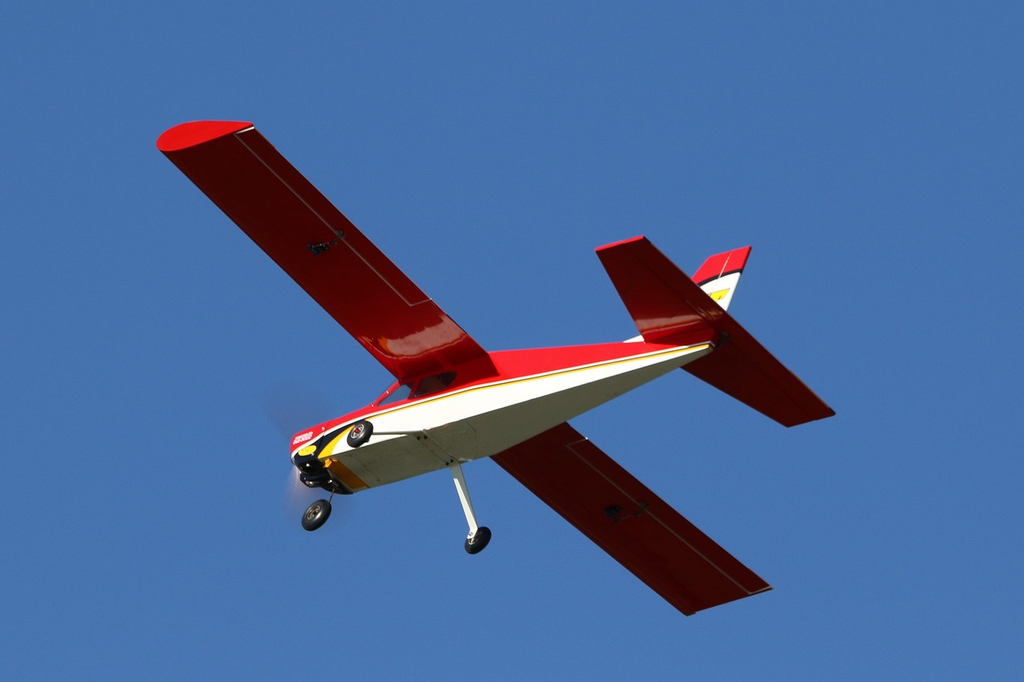
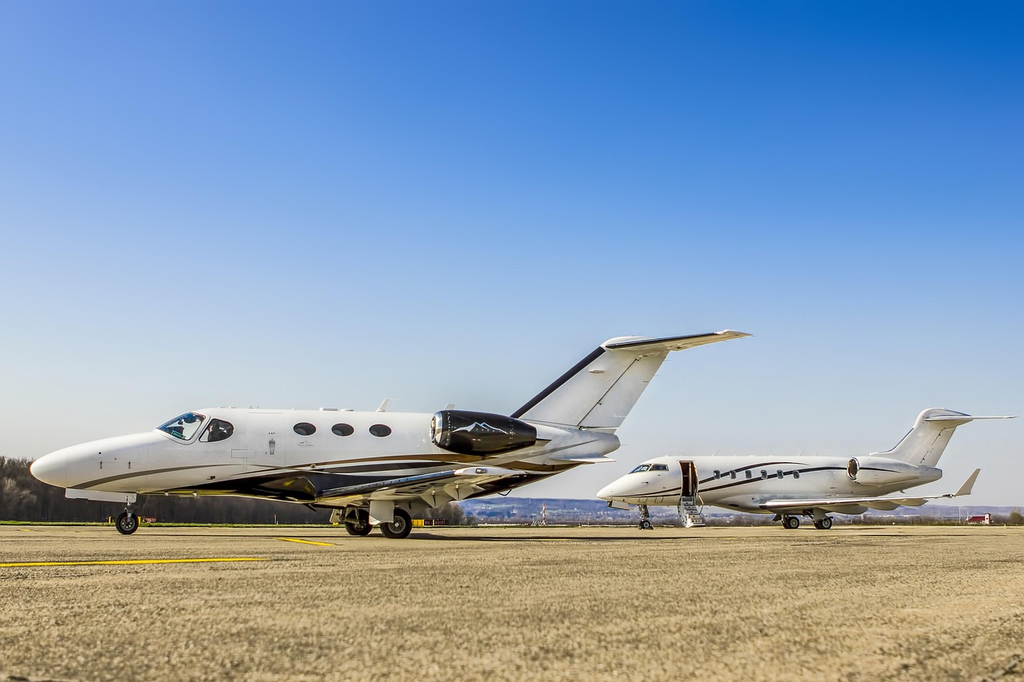
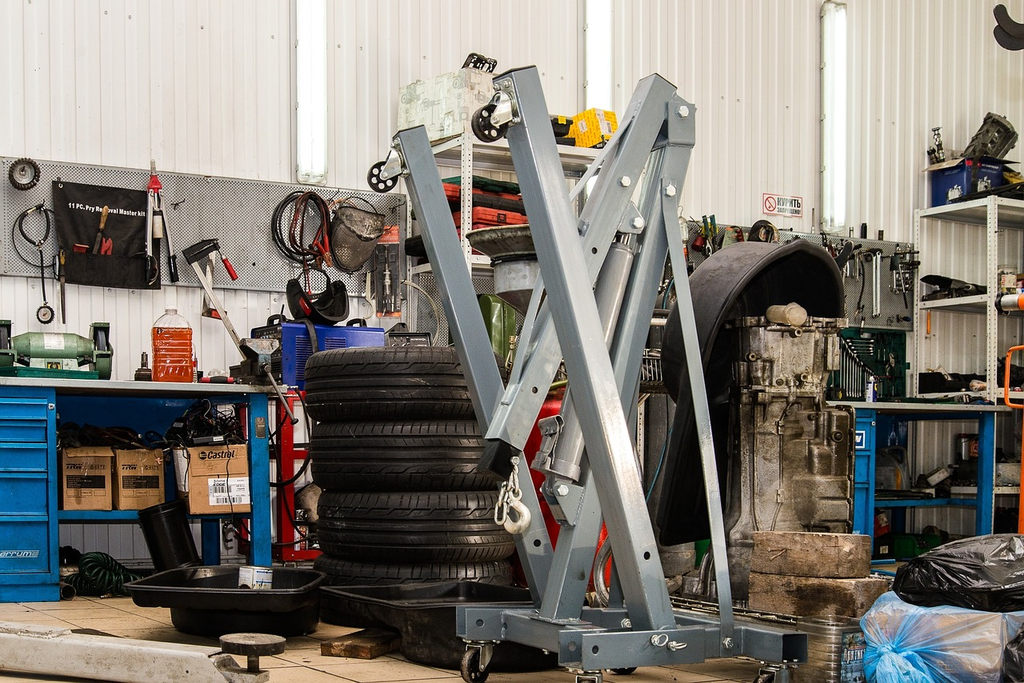
Drone technology in travel rides, such as cars and planes, refers to the integration of autonomous or remotely piloted systems to enhance transportation. Drones can enable self-driving cars and pilotless aircraft, improving safety, efficiency, and accessibility. This technology allows for real-time navigation, obstacle avoidance, and optimized routes, revolutionizing mobility by reducing human error and operational costs. It represents a significant step toward futuristic, smart transportation solutions.
Drone Technology
Drone technology in travel rides, such as cars and planes, refers to the integration of autonomous or remotely piloted systems to enhance transportation. Drones can enable self-driving cars and pilotless aircraft, improving safety, efficiency, and accessibility. This technology allows for real-time navigation, obstacle avoidance, and optimized routes, revolutionizing mobility by reducing human error and operational costs. It represents a significant step toward futuristic, smart transportation solutions.
💡 Key Takeaways
- Identify the core components of a drone (airframe, propulsion, sensors, and controller) and their roles
- Explain common drone applications across industries such as photography, surveying, inspection, and delivery
- Understand basic flight principles, safety practices, and regulatory considerations for drone operation
- Describe core drone technologies (GPS, autopilot, sensors, and communication links) and how they enable autonomous flight
❓ Frequently Asked Questions
What is drone technology?
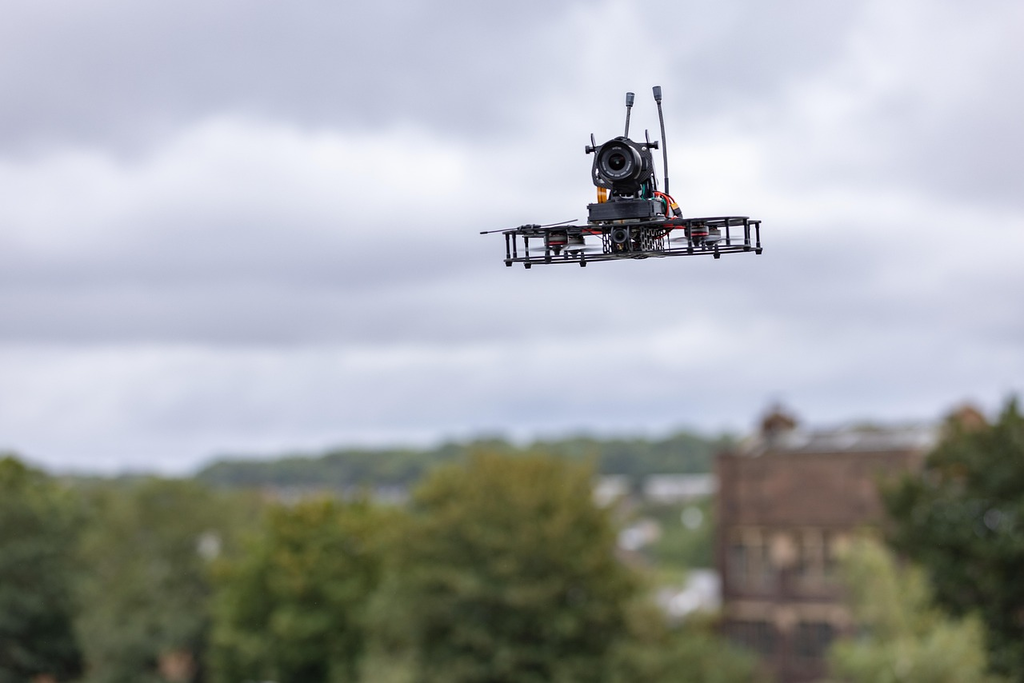
Drones, or UAVs, are aircraft operated remotely or autonomously using onboard computers, sensors, and propulsion to perform tasks without a pilot on board.
What are the main parts of a drone?
Airframe, propulsion (motors/propellers), power source (battery), flight controller, sensors (GPS/IMU/camera), and the communication link and payload.
What are common uses of drones?
Aerial photography/video, mapping and surveying, infrastructure inspection, agriculture monitoring, search and rescue, and sometimes delivery.
What safety and legal considerations should I know?
Follow local regulations: register if required, keep within visual line of sight, respect no-fly zones and altitude limits, avoid people, and perform preflight checks.