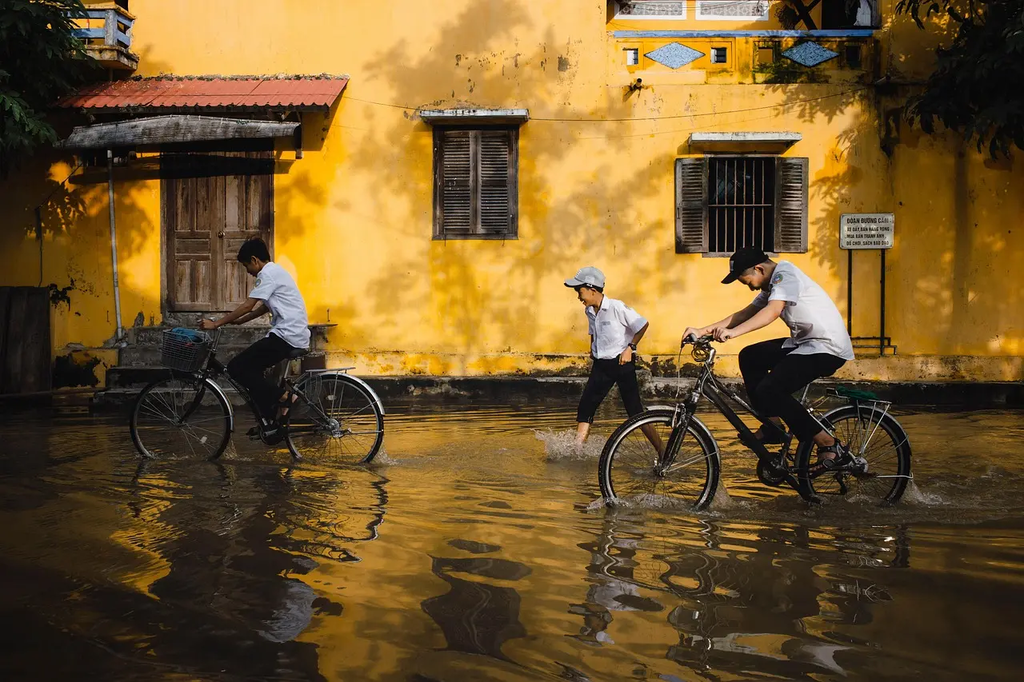
Drought dynamics refer to the patterns and processes that influence the onset, duration, and severity of droughts, including climatic factors and human activities. Water scarcity arises when water demand exceeds available supply due to prolonged drought, overuse, or mismanagement. Together, these concepts highlight the complex interactions between natural variability and human impact, emphasizing the need for sustainable water management to mitigate the adverse effects on ecosystems, agriculture, and communities.
Drought Dynamics and Water Scarcity
Drought dynamics refer to the patterns and processes that influence the onset, duration, and severity of droughts, including climatic factors and human activities. Water scarcity arises when water demand exceeds available supply due to prolonged drought, overuse, or mismanagement. Together, these concepts highlight the complex interactions between natural variability and human impact, emphasizing the need for sustainable water management to mitigate the adverse effects on ecosystems, agriculture, and communities.
💡 Key Takeaways
- Define drought dynamics and how onset, duration, and severity depend on climate patterns and human activities.
- Differentiate climatic drivers (precipitation deficits, heat, evapotranspiration) from human factors (water withdrawals, land-use changes) that worsen drought.
- Explain water scarcity as demand exceeding supply due to drought, overuse, or mismanagement; distinguish physical vs. economic scarcity.
- Identify strategies to reduce drought impacts, including forecasting, water conservation, efficient governance, and resilient infrastructure.
❓ Frequently Asked Questions
What is drought dynamics?
Drought dynamics describe how droughts start, persist, and end, shaped by climate signals (precipitation, temperature, evapotranspiration) and human actions (land use, water management).
What factors drive the onset and severity of droughts?
Prolonged precipitation deficits, higher temperatures increasing evaporation, soil moisture depletion, and climate patterns (El Niño/La Niña); water use, infrastructure, and management also influence severity.
How does water scarcity relate to drought?
Water scarcity is a supply-demand gap that can be caused by drought but also by overuse, population growth, pollution, and limited infrastructure—conditions beyond just dry weather.
What are common tools to monitor drought and scarcity?
Drought indices (SPI, SPEI, PDSI), rainfall and soil moisture data, reservoir and groundwater levels, and tracking water demand and efficiency help predict shortages and guide management.