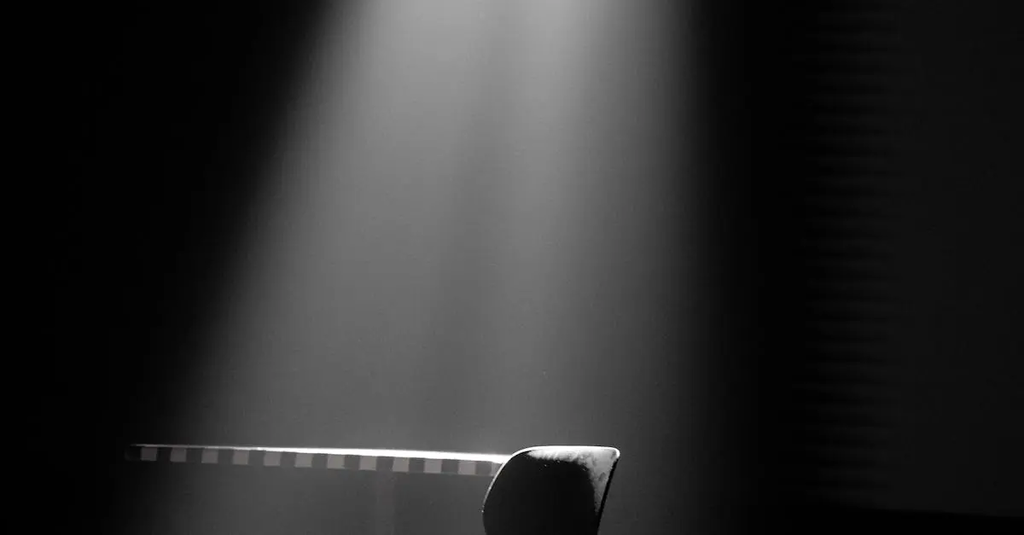
Dynamic lighting and shadows in visual arts and design refer to the intentional use of light sources and their resulting shadows to create depth, mood, and realism within an artwork or design. By manipulating intensity, direction, and color of light, artists and designers can emphasize forms, highlight focal points, and convey atmosphere. Mastery of these techniques enhances visual interest, making scenes appear more lifelike and emotionally engaging.
Dynamic Lighting & Shadows
Dynamic lighting and shadows in visual arts and design refer to the intentional use of light sources and their resulting shadows to create depth, mood, and realism within an artwork or design. By manipulating intensity, direction, and color of light, artists and designers can emphasize forms, highlight focal points, and convey atmosphere. Mastery of these techniques enhances visual interest, making scenes appear more lifelike and emotionally engaging.
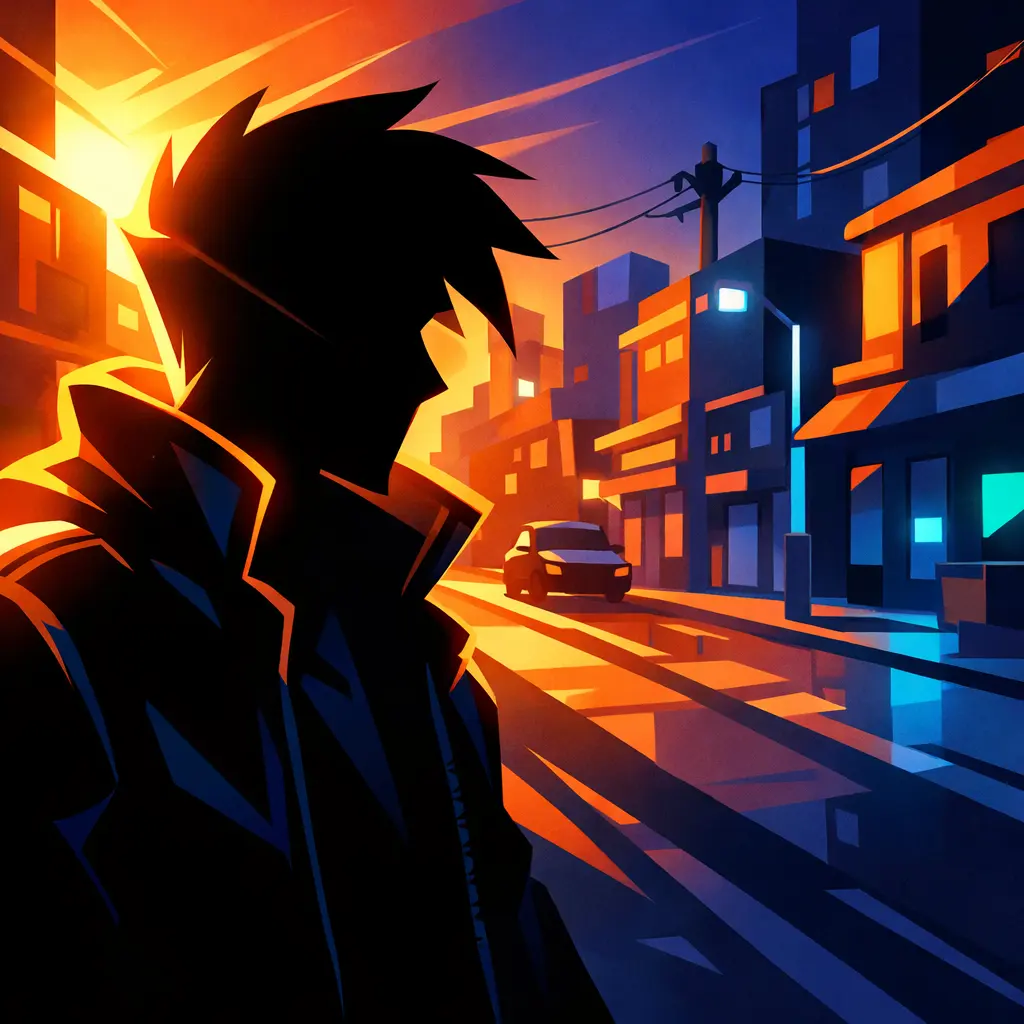
💡 Key Takeaways
- Understand how changing lighting direction, color, and brightness affects mood, depth, and emphasis in a scene.
- Learn how shadows form and evolve with moving light, including hard vs soft shadows and the difference between umbra and penumbra.
- See how lighting highlights or hides textures and surface details across different materials.
- Get an overview of common techniques for rendering dynamic shadows and the trade-offs between realism and performance.
❓ Frequently Asked Questions
What is dynamic lighting?
Real-time lighting calculations that update as objects and lights move, enabling interactive scenes without precomputed lightmaps.
What are dynamic shadows?
Shadows that update in real time as lights or objects move, helping realism in games and simulations.
What is shadow mapping?
A common real-time technique that renders the scene from the light's viewpoint to create a depth map, which is then used to determine whether a point is in shadow.
What types of light sources are used in dynamic lighting?
Directional lights (like the sun), point lights (emit in all directions), and spotlights (cone-shaped), each with different shadow behavior.
How can you improve the appearance of dynamic shadows?
Use shadow filtering (e.g., PCF/PCSS), increase shadow map resolution, or employ cascaded shadow maps for larger scenes.