Dynamic range refers to the span between the darkest and brightest parts of an image that a camera sensor or film can capture. Exposure theory involves understanding how light interacts with a camera’s sensor, balancing aperture, shutter speed, and ISO to achieve the desired brightness. Mastering both concepts is essential for photographers to ensure details are preserved in both shadows and highlights, preventing loss of information in overly dark or bright areas.
Dynamic Range & Exposure Theory
Dynamic range refers to the span between the darkest and brightest parts of an image that a camera sensor or film can capture. Exposure theory involves understanding how light interacts with a camera’s sensor, balancing aperture, shutter speed, and ISO to achieve the desired brightness. Mastering both concepts is essential for photographers to ensure details are preserved in both shadows and highlights, preventing loss of information in overly dark or bright areas.
💡 Key Takeaways
- What dynamic range is and how it affects shadow and highlight detail.
- How aperture, shutter speed, and ISO combine to set exposure and brightness.
- The trade-offs between ISO noise, exposure, and dynamic range in different lighting.
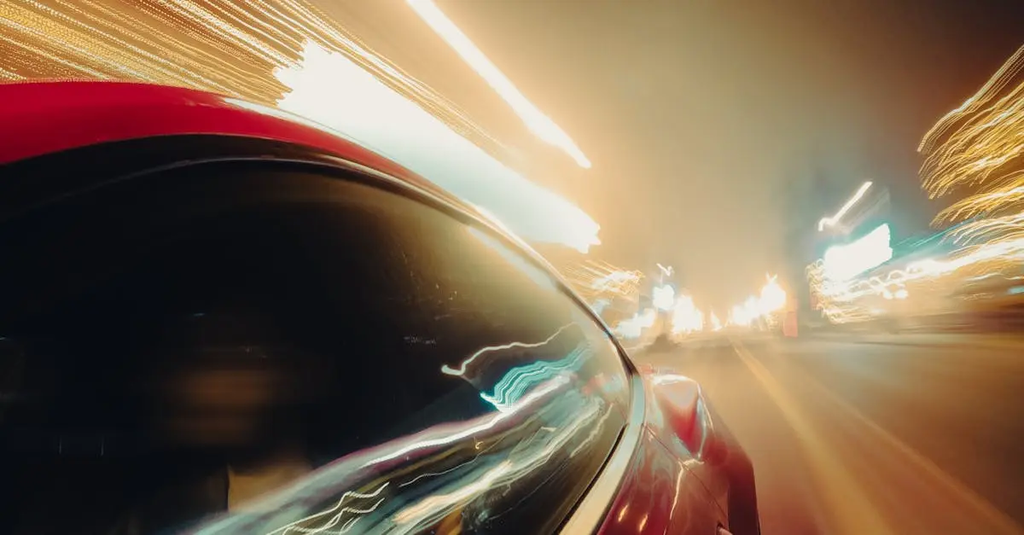
- How exposure choices impact depth of field, motion, and the cinematic look.
❓ Frequently Asked Questions
What is dynamic range?
Dynamic range is the span between the darkest and brightest tones a camera sensor or film can record without losing detail. It’s measured in stops; more stops mean more detail in shadows and highlights.
What is exposure theory and what is the exposure triangle?
Exposure theory describes how light interacts with a sensor. The exposure triangle consists of aperture (lens opening), shutter speed (how long the sensor is exposed), and ISO (sensor sensitivity). Together they determine image brightness.
How do aperture, shutter speed, and ISO affect exposure?
Aperture controls light and depth of field; a wider aperture lets in more light. Shutter speed controls exposure time and motion blur; slower speeds let in more light. ISO adjusts sensor sensitivity; higher ISO brightens the image but adds noise and can reduce dynamic range.
What is highlight clipping and how can it be avoided?
Highlight clipping happens when the brightest areas exceed the sensor’s recording range, causing loss of detail. Avoid it by adjusting exposure, using lighting or ND filters, shooting with appropriate profiles (e.g., log), and monitoring with histograms or scopes.