Dyslipidemia: Cholesterol & Triglycerides
💡 Key Takeaways
- Understand what dyslipidemia is and how cholesterol and triglyceride levels impact heart health.
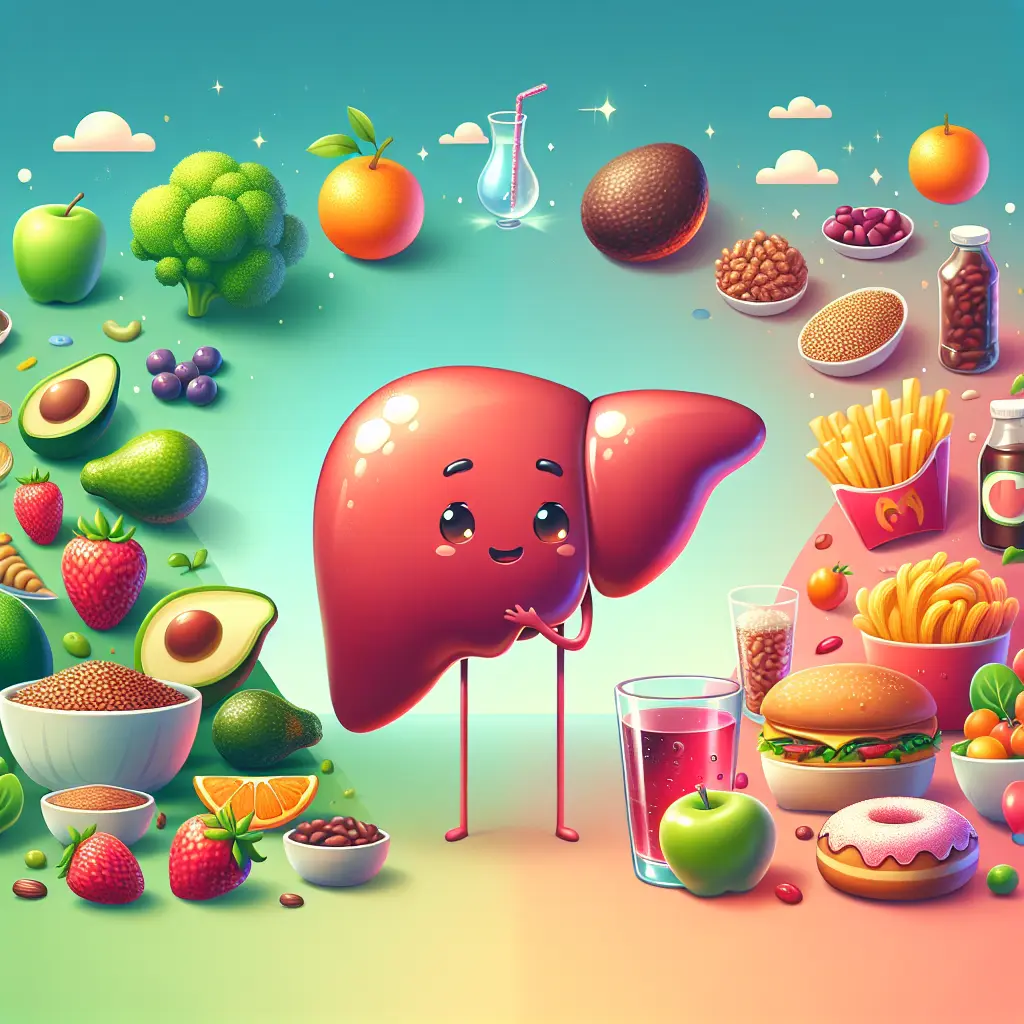
- Identify dietary factors that raise or lower LDL, HDL, and triglycerides (e.g., saturated fats, trans fats, added sugars, and alcohol).
- Learn practical dietary strategies to improve lipid profiles (fiber-rich foods, omega-3s, plant sterols, and limiting processed foods).
- Know how to read nutrition labels and choose heart-healthy foods to manage cholesterol and triglyceride levels.
❓ Frequently Asked Questions
What is dyslipidemia?
Dyslipidemia means abnormal blood lipid levels—high LDL (bad) cholesterol, high triglycerides, or low HDL (good) cholesterol—adding to cardiovascular risk.
What is the difference between cholesterol and triglycerides in the blood?
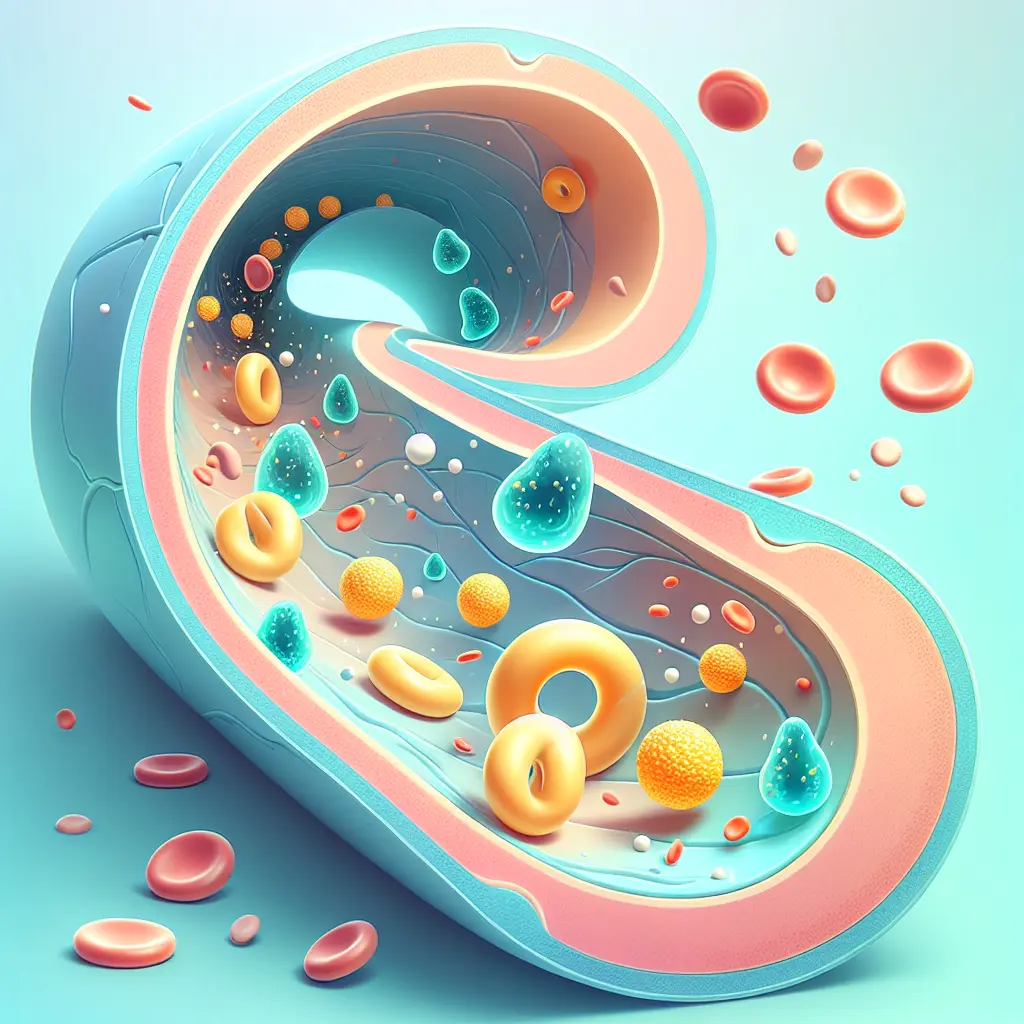
Cholesterol travels in lipoproteins (LDL/HDL). LDL can deposit in arteries; HDL helps remove cholesterol. Triglycerides are a fat that can be stored for energy and, when elevated, raise heart disease risk.
Which foods most affect LDL cholesterol and triglycerides?
Saturated and trans fats raise LDL cholesterol. Refined carbohydrates and added sugars can raise triglycerides. Alcohol can raise triglycerides, especially with heavy use. Dietary cholesterol affects individuals variably.
What dietary changes can help lower LDL and triglycerides?
Use healthier fats (olive oil, fatty fish, nuts), increase soluble fiber (oats, beans), consider plant sterols/stanols, limit saturated fat and refined carbs, maintain a healthy weight, and exercise regularly.