Early mobile games and ringtones marked the beginning of entertainment on cell phones. Games like Snake, pre-installed on many Nokia devices, offered simple yet addictive gameplay. Ringtones transitioned from basic monotones to polyphonic sounds, enabling richer musical expression. These features became hugely popular in the late 1990s and early 2000s, shaping mobile culture and paving the way for the advanced gaming and personalization options found on today’s smartphones.
Early Mobile Games and Ringtones (Snake, polyphonic)
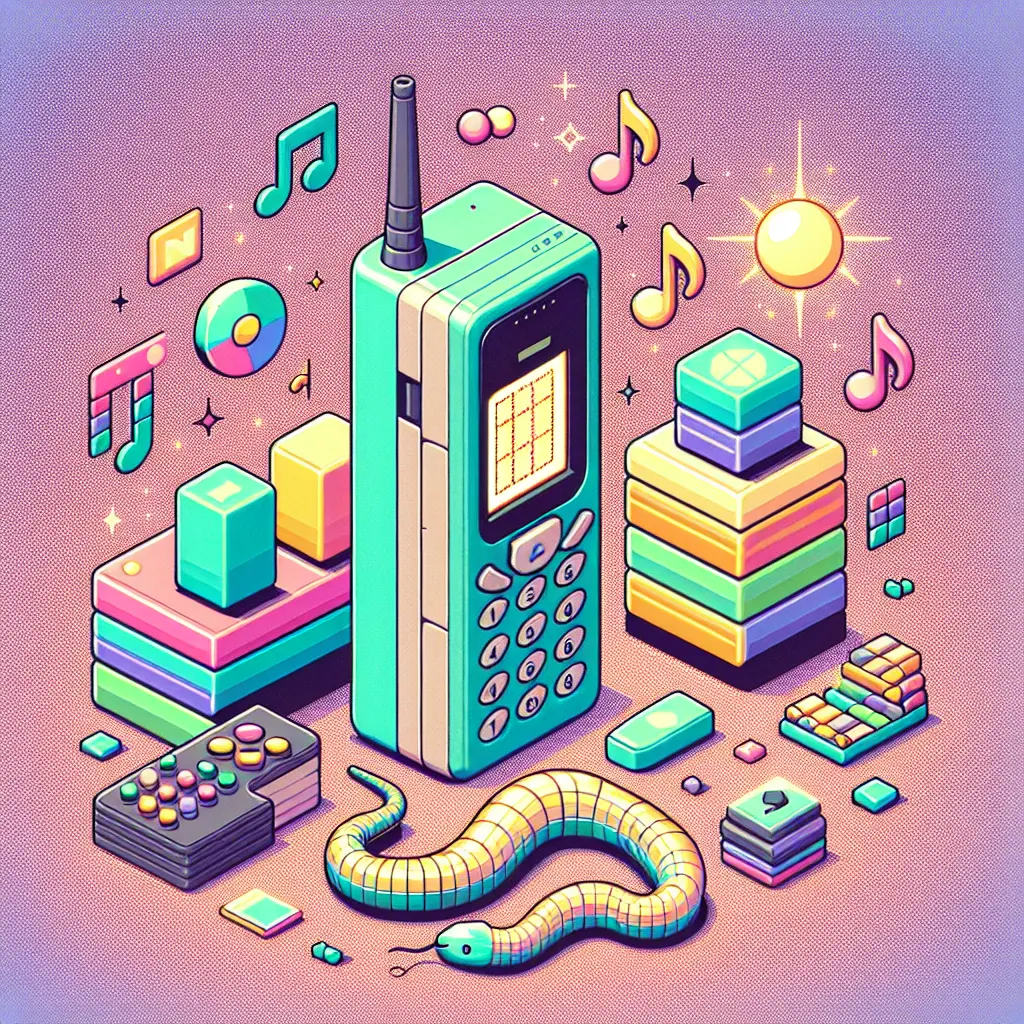
Early mobile games and ringtones marked the beginning of entertainment on cell phones. Games like Snake, pre-installed on many Nokia devices, offered simple yet addictive gameplay. Ringtones transitioned from basic monotones to polyphonic sounds, enabling richer musical expression. These features became hugely popular in the late 1990s and early 2000s, shaping mobile culture and paving the way for the advanced gaming and personalization options found on today’s smartphones.
💡 Key Takeaways
- Understand how Snake popularized mobile gaming on Nokia devices in the late 1990s.
- Learn how monophonic ringtones evolved into polyphonic tones, enabling richer musical expression.
- Explore how pre-installed games and default ringtones shaped user habits and mobile culture in the 90s and 2000s.
- Recognize the lasting impact of early mobile entertainment on modern smartphone design and personalization.
❓ Frequently Asked Questions
What is Snake and why was it significant on early mobile phones?
Snake is a simple arcade game where a growing serpent eats items while avoiding walls and itself; it became iconic because it came pre-installed on many Nokia phones and required minimal hardware, making it highly accessible.
What is a polyphonic ringtone and how did it differ from earlier tones?
A polyphonic ringtone plays multiple notes at once, creating melodies and chords, unlike earlier monophonic tones that played only a single note at a time.
How did early mobile games and ringtones shape mobile culture in the 90s and 2000s?
They turned phones into entertainment devices, fueled personalization with unique ringtones, and helped lay the groundwork for casual gaming and mobile apps.
Which devices and brands were central to these features?
Nokia feature phones were especially influential, popularizing Snake and polyphonic ringtones and setting a standard for early mobile entertainment.