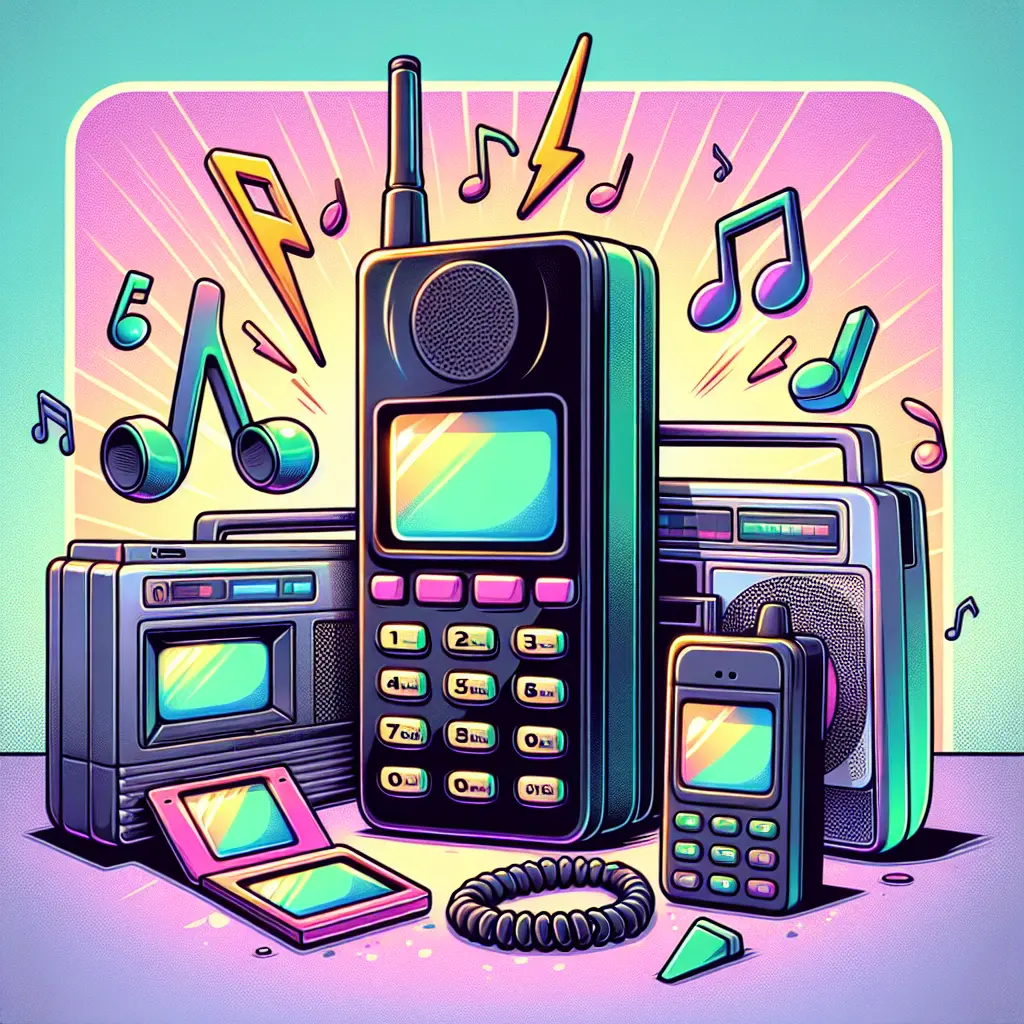
Early mobile phones were bulky, basic devices primarily used for voice calls and simple text messages. They featured small monochrome screens and limited battery life. Ringtones on these phones were simple, monophonic beeps or tones, often pre-installed with few customization options. As technology progressed, polyphonic and downloadable ringtones became popular, allowing users to personalize their phones. Early ringtones became a cultural phenomenon, marking the beginning of mobile phone personalization.
Early Mobile Phones & Ringtones
Early mobile phones were bulky, basic devices primarily used for voice calls and simple text messages. They featured small monochrome screens and limited battery life. Ringtones on these phones were simple, monophonic beeps or tones, often pre-installed with few customization options. As technology progressed, polyphonic and downloadable ringtones became popular, allowing users to personalize their phones. Early ringtones became a cultural phenomenon, marking the beginning of mobile phone personalization.
💡 Key Takeaways
- Identify the defining features of early mobile phones (bulky build, calls, SMS, monochrome screens, limited battery).
- Explain how monophonic ringtones worked and why customization options were limited.
- Describe how hardware constraints shaped usage patterns, such as charging routines and prioritizing calls over data or apps.
- Contrast nostalgia-era phones with modern smartphones, noting changes in form factor, features, and user behavior.
❓ Frequently Asked Questions
What were the primary uses of early mobile phones?
They were mainly for voice calls and short text messages; data services were rare or limited.
What kind of screens did early mobile phones have?
Small monochrome screens with low resolution, typically black and white.
What does monophonic ringtone mean?
A single-tone beep or melody, not multiple notes played together.
How could users customize ringtones on early phones?
Customization was limited: a few pre-installed tones and basic selection; no downloadable tones or advanced editors.
Why were early mobile phones bulky with limited battery life?
Hardware and battery technology required large, heavy devices; batteries were large and capacity limited, reducing battery life.