Early numeracy refers to foundational math skills developed in childhood, typically between ages 0–10. It includes counting objects, recognizing and creating patterns, and classifying items based on attributes like color or shape. These skills help children understand basic mathematical concepts, develop problem-solving abilities, and form the basis for more advanced math learning. Early numeracy supports cognitive development and prepares children for future academic success in mathematics.
Early numeracy: counting, patterns, and classification
Early numeracy refers to foundational math skills developed in childhood, typically between ages 0–10. It includes counting objects, recognizing and creating patterns, and classifying items based on attributes like color or shape. These skills help children understand basic mathematical concepts, develop problem-solving abilities, and form the basis for more advanced math learning. Early numeracy supports cognitive development and prepares children for future academic success in mathematics.
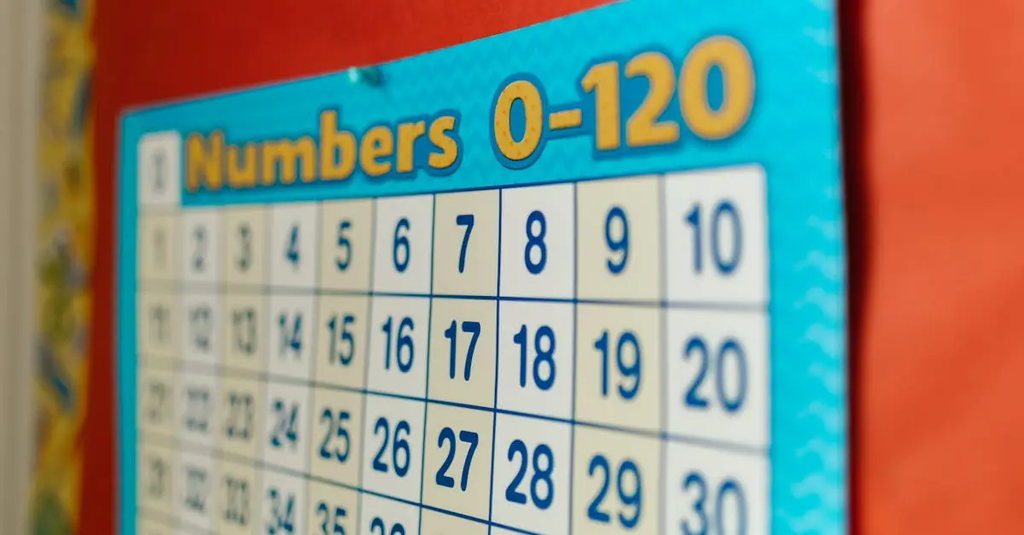
💡 Key Takeaways
- Master one-to-one correspondence to count objects accurately.
- Identify and extend simple patterns using shapes, colors, or numbers.
- Sort and classify items by attributes (color, shape, size) to build early categorization.
- Use counting to compare quantities and understand more, less, and equal.
❓ Frequently Asked Questions
What is early numeracy and why is it important?
Early numeracy includes counting, recognizing numbers, comparing quantities, identifying patterns, and sorting objects. It builds a foundation for later math learning.
How can I teach counting effectively to young learners?
Use concrete objects and ensure one-to-one correspondence (each item counts once). Count in a stable order, use a reference number, and highlight that the last count equals the total.
What are number patterns and how do they help?
Patterns are repeating or growing sequences (e.g., 2, 4, 6 or red-blue-red-blue). Recognizing patterns helps children predict and understand number relationships.
What is classification in early numeracy?
Classification means sorting objects by attributes (color, shape, size). Children group items, compare categories, and begin counting within each group.