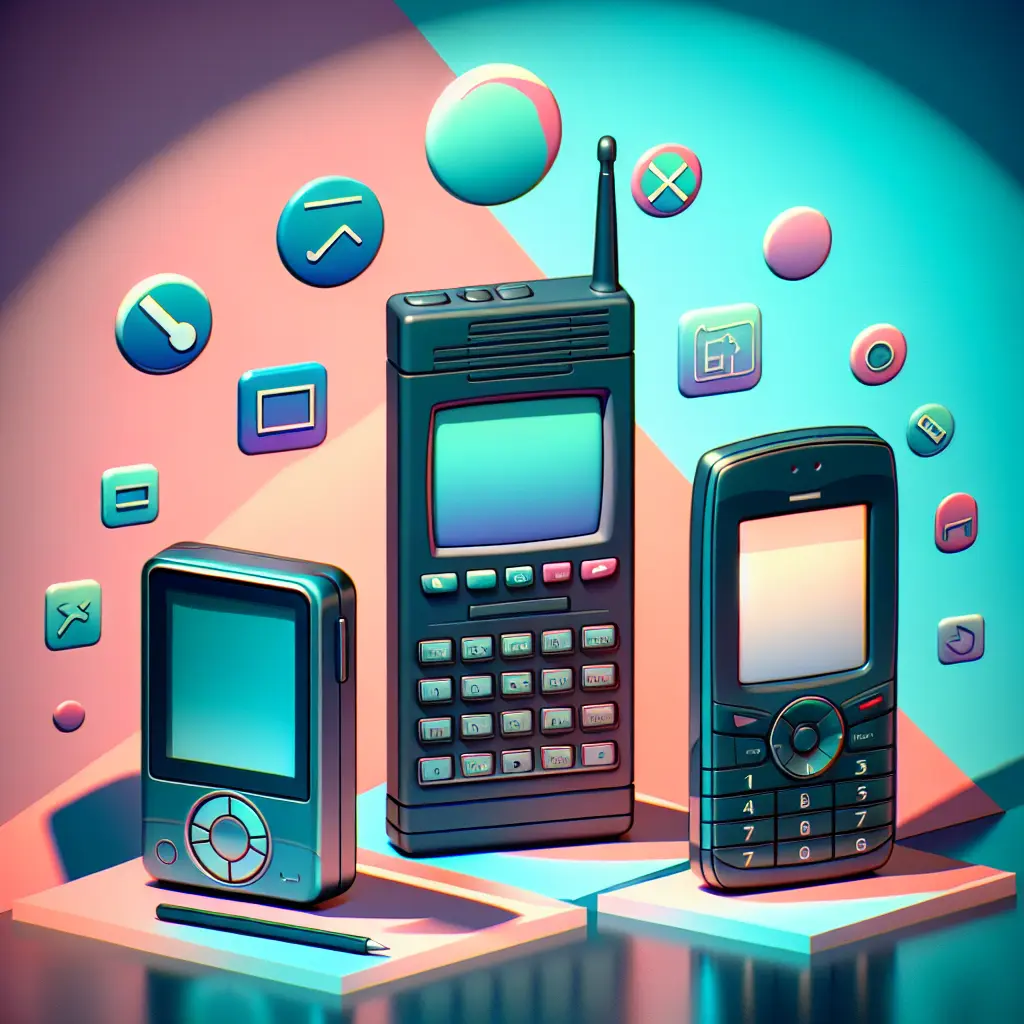
Early smartphones and PDAs like the BlackBerry, PalmPilot, and Treo revolutionized mobile communication and productivity in the late 1990s and early 2000s. These devices combined basic phone functions with features such as email, calendars, contacts, and note-taking. BlackBerry became popular for secure messaging, while PalmPilot and Treo offered touchscreens and early app ecosystems, paving the way for modern smartphones by enabling users to manage tasks and communicate on the go.
Early Smartphones and PDAs (BlackBerry, PalmPilot, Treo)
Early smartphones and PDAs like the BlackBerry, PalmPilot, and Treo revolutionized mobile communication and productivity in the late 1990s and early 2000s. These devices combined basic phone functions with features such as email, calendars, contacts, and note-taking. BlackBerry became popular for secure messaging, while PalmPilot and Treo offered touchscreens and early app ecosystems, paving the way for modern smartphones by enabling users to manage tasks and communicate on the go.
💡 Key Takeaways
- Understand how 90s–2000s PDAs and smartphones merged phone calls with productivity tools like email, calendars, contacts, and notes.
- Identify signature features of BlackBerry, PalmPilot, and Treo—such as physical keyboards and push email—that defined early mobile productivity.
- Learn how mobile operating systems and app ecosystems evolved during this era and set the stage for modern smartphones.
- Explore how these devices shaped work habits and user expectations, influencing later mobile design and connectivity.
❓ Frequently Asked Questions
What were PDAs, and how did they relate to early smartphones?
PDAs (Personal Digital Assistants) were handheld organizers for calendar, contacts, notes, and tasks. Early smartphones later merged these features with voice calls and email, creating a combined device.
Why did BlackBerry become popular for business users?
BlackBerry offered reliable push email, secure messaging, a long-lasting battery, and a physical keyboard, making it a go-to for enterprise communication.
What features did PalmPilot and other Palm OS devices provide?
PalmPilot provided calendar, contacts, tasks, and notes with a simple, stylus-driven interface, emphasizing portable productivity.
How did Treo devices change the category?
Treo integrated a Palm OS PDA with a built-in phone, combining voice calls, email, and PIM apps in one device and signaling the start of true smartphones.
What is the lasting impact of these devices on today’s smartphones?
They popularized mobile email, calendar syncing, and portable productivity, laying the groundwork for modern iOS/Android smartphones.