Earthquakes and volcanoes are natural phenomena resulting from movements within the Earth's crust. Earthquakes occur when tectonic plates shift, releasing energy that causes the ground to shake. Volcanoes form when magma from beneath the Earth’s surface escapes through cracks, erupting as lava, ash, and gases. Both events are closely linked to plate boundaries and can cause significant changes to landscapes, often posing risks to human life and property.
Earthquakes & Volcanoes
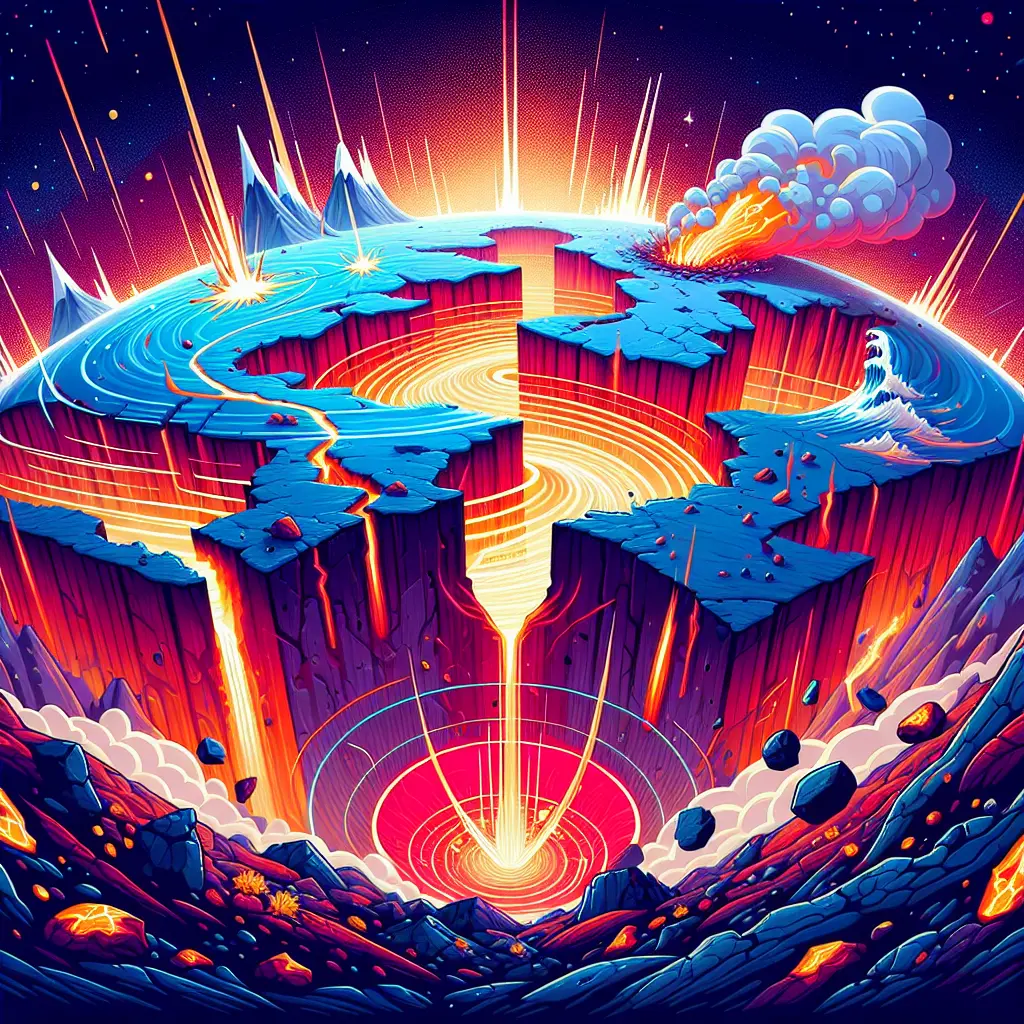
Earthquakes and volcanoes are natural phenomena resulting from movements within the Earth's crust. Earthquakes occur when tectonic plates shift, releasing energy that causes the ground to shake. Volcanoes form when magma from beneath the Earth’s surface escapes through cracks, erupting as lava, ash, and gases. Both events are closely linked to plate boundaries and can cause significant changes to landscapes, often posing risks to human life and property.
💡 Key Takeaways
- Understand how tectonic plate movement releases energy that causes ground shaking during earthquakes.
- Learn how magma moving beneath the surface drives volcanic eruptions with lava and ash.
- Identify common hazards for earthquakes and volcanoes, such as shaking, tsunamis, lava flows, and ash clouds.
- See how earthquakes and volcanoes shape the Earth's crust and their role in natural disaster education.
❓ Frequently Asked Questions
What causes earthquakes?
Earthquakes happen when tectonic plates shift and stress builds up along faults; when the rock breaks, energy is released as seismic waves that shake the ground.
What triggers a volcanic eruption?
Volcanoes erupt when magma rises and gas pressure builds beneath the surface, causing magma to reach the surface and erupt as lava, ash, and volcanic gases.
How are earthquakes measured and described?
Seismographs detect ground shaking. Magnitude measures the total energy released, while intensity describes the effects at a location on a scale like the intensity or moment magnitude scales.
Can volcanic eruptions affect climate or weather?
Yes. Large eruptions can inject ash and sulfur dioxide into the atmosphere, reflecting sunlight and cooling the climate for a period, and can disrupt air travel due to ash clouds.