Earthworks, excavation, and temporary works are essential components of construction technology. Earthworks involve the movement and processing of soil and rock to prepare a site for building. Excavation refers specifically to the removal of earth to create foundations, trenches, or underground spaces. Temporary works are structures or supports, such as scaffolding or shoring, designed to ensure safety and stability during construction until the permanent works are completed.
Earthworks, Excavation, and Temporary Works
Earthworks, excavation, and temporary works are essential components of construction technology. Earthworks involve the movement and processing of soil and rock to prepare a site for building. Excavation refers specifically to the removal of earth to create foundations, trenches, or underground spaces. Temporary works are structures or supports, such as scaffolding or shoring, designed to ensure safety and stability during construction until the permanent works are completed.
💡 Key Takeaways
- Understand what earthworks, excavation, and temporary works cover in construction projects.
- Identify common excavation methods, equipment, and when to use them.
- Explain safety and compliance requirements for excavation, including trenching and shoring basics.
- Describe the role and lifecycle of temporary works (temporary supports, formwork, shoring) from design to inspection.
- Recognize basic geotechnical factors (soil types, groundwater, slope stability) that influence earthworks planning.
❓ Frequently Asked Questions
What are earthworks?
Earthworks are land-modification activities that change the ground surface, including cutting (removing material), filling, grading, and compacting soil to achieve a desired shape or level.
What is excavation?
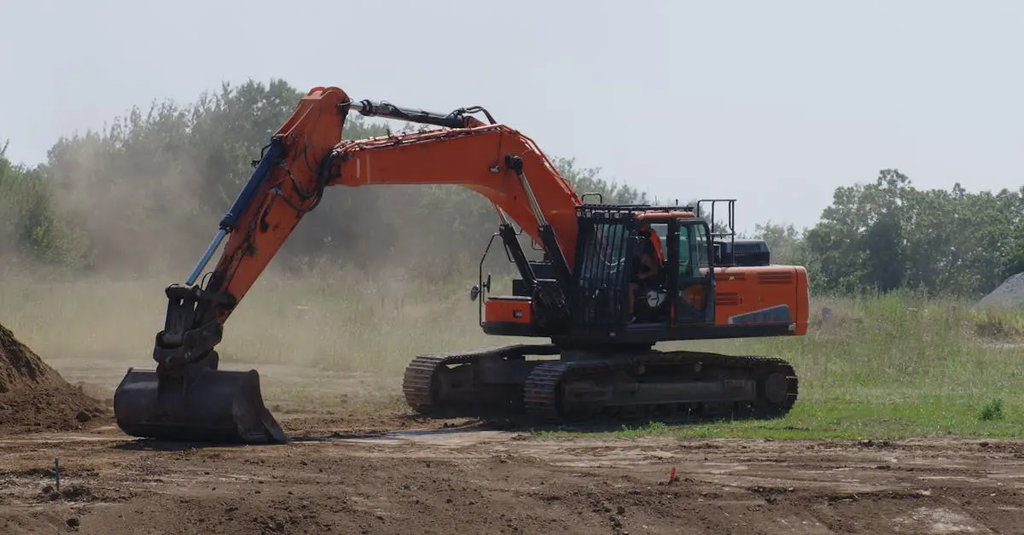
Excavation is the process of removing soil or rock to create space, such as for foundations or trenches; it often requires stability measures like shoring or trench boxes to prevent collapse.
What are temporary works?
Temporary works are non-permanent structures and systems used during construction to support loads or provide access, such as formwork, shoring, braces, grading platforms, and scaffolding; they must be designed, installed, and removed safely by qualified personnel.
How are earthworks, excavation, and temporary works related?
Excavation is a subset of earthworks—the removal of material. Temporary works support and protect both during construction, ensuring stability and safe access while the permanent structures are built.