East Asian ink painting, rooted in China and influential across Korea and Japan, emphasizes expressive brushwork and monochrome palettes. Closely tied to the literati, or scholar-artists, this tradition values personal expression, poetry, and calligraphy over realistic representation. Literati painting emerged during the Song dynasty, flourishing through Ming and Qing periods, and reflects philosophical ideals such as harmony with nature, spontaneity, and scholarly refinement, shaping the aesthetics of East Asian art history.
East Asian Ink Painting & Literati
East Asian ink painting, rooted in China and influential across Korea and Japan, emphasizes expressive brushwork and monochrome palettes. Closely tied to the literati, or scholar-artists, this tradition values personal expression, poetry, and calligraphy over realistic representation. Literati painting emerged during the Song dynasty, flourishing through Ming and Qing periods, and reflects philosophical ideals such as harmony with nature, spontaneity, and scholarly refinement, shaping the aesthetics of East Asian art history.
💡 Key Takeaways
- Understand the core aesthetics of East Asian ink painting, including simplicity, spontaneity, and harmony with nature.
- Explore how the Literati (scholar-official painters) blended painting, poetry, and calligraphy to express personal philosophy.
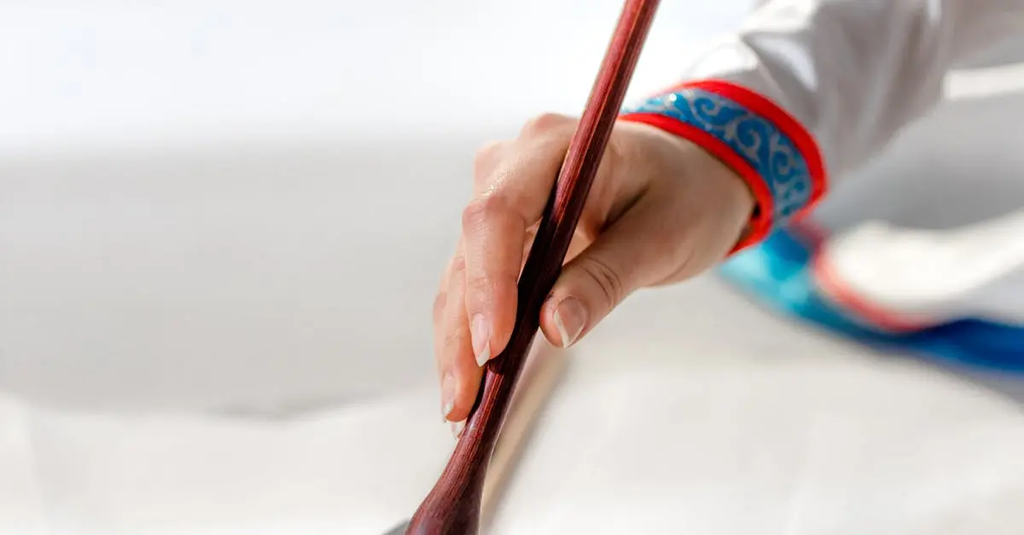
- Identify essential materials and techniques—ink washes, brushwork, and the balance of line and wash on rice paper or silk.
- Recognize common themes such as landscape, bamboo, and plum, often conveyed with minimal strokes and literary allusion.
❓ Frequently Asked Questions
What is East Asian ink painting?
A traditional form of painting that uses black ink on paper or silk to express mood and spirit, often with minimal color. It includes Chinese guohua, Japanese sumi-e, and Korean sumukhwa, and emphasizes brushwork and spontaneity.
Who were the literati painters and what did they value?
Literati painters were scholar-artists, often scholar-officials or educated amateurs, who painted to express personal philosophy and inner cultivation. They valued spontaneity, restraint, poetry, and calligraphy as part of the artwork.
What is xieyi (freehand) painting and how does it relate to literati art?
Xieyi means 'sketching thoughts' and describes a loose, expressive brushwork style used by literati to capture the spirit or mood of a subject rather than meticulous detail.
What materials and common subjects are used in East Asian ink painting?
Materials include ink sticks, inkstones, brushes, and xuan paper or silk. Common subjects are landscapes, bamboo, rocks, and flowers, often featuring poetic inscriptions.