Easter, a major Christian holiday celebrating the resurrection of Jesus Christ, incorporates many elements rooted in ancient pagan traditions. Symbols such as eggs and rabbits, associated with fertility and rebirth, originate from pre-Christian spring festivals honoring deities like Eostre, the Germanic goddess of dawn. Over time, these customs blended with Christian beliefs, resulting in a holiday that reflects both religious significance and the renewal themes of earlier pagan celebrations.
Easter and Pagan Traditions
Easter, a major Christian holiday celebrating the resurrection of Jesus Christ, incorporates many elements rooted in ancient pagan traditions. Symbols such as eggs and rabbits, associated with fertility and rebirth, originate from pre-Christian spring festivals honoring deities like Eostre, the Germanic goddess of dawn. Over time, these customs blended with Christian beliefs, resulting in a holiday that reflects both religious significance and the renewal themes of earlier pagan celebrations.
💡 Key Takeaways
- Understand how Pagan spring celebrations shaped Easter symbols and rituals.
- Learn how the date of Easter is determined and why it falls in spring.
- Identify the origins of common Easter symbols like eggs and rabbits.
- Compare Easter customs across cultures and how modern celebrations blend history and tradition.
❓ Frequently Asked Questions
What is Easter in Christian tradition?
Easter celebrates the resurrection of Jesus Christ, observed on the Sunday after the Paschal Full Moon following the vernal equinox; common practices include church services, prayers, and festive meals.
What do Easter eggs and the Easter bunny symbolize?
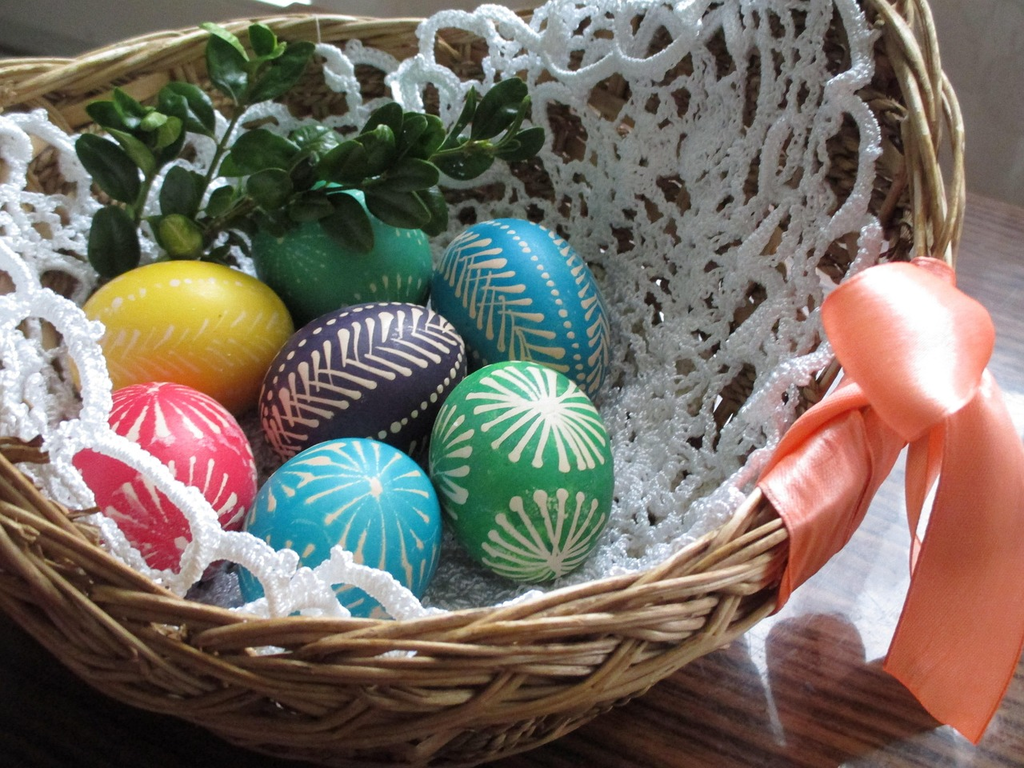
Eggs symbolize new life and rebirth; the bunny is a fertility symbol. In Christian contexts, eggs can also symbolize the empty tomb.
How are Pagan spring traditions related to Easter?
Many spring rites honoring renewal and fertility—such as eggs, rabbits, and dawn rituals—predate Christianity and influenced some modern Easter customs; today celebrations often blend secular and religious elements.
Is the name 'Easter' connected to a Pagan goddess?
Some sources mention the Old English goddess Eostre, but this attribution is debated among scholars. The term's origin is not definitive; other languages often derive the holiday’s name from Passover or Resurrection.