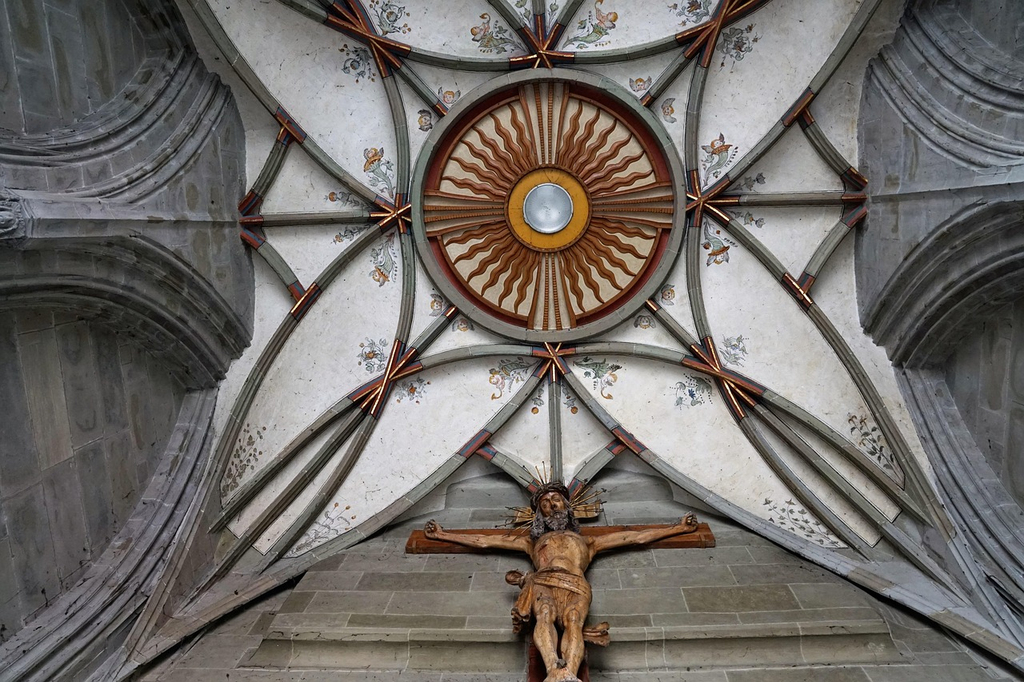
Easter is a major Christian holiday celebrating the resurrection of Jesus Christ from the dead, symbolizing hope, renewal, and victory over sin. It is observed with church services, feasts, and traditions such as egg decorating and hunts. Easter often coincides with Passover, a Jewish festival commemorating the Israelites' liberation from slavery in Egypt, highlighting themes of freedom and redemption in both faiths.
Easter and Passover
Easter is a major Christian holiday celebrating the resurrection of Jesus Christ from the dead, symbolizing hope, renewal, and victory over sin. It is observed with church services, feasts, and traditions such as egg decorating and hunts. Easter often coincides with Passover, a Jewish festival commemorating the Israelites' liberation from slavery in Egypt, highlighting themes of freedom and redemption in both faiths.
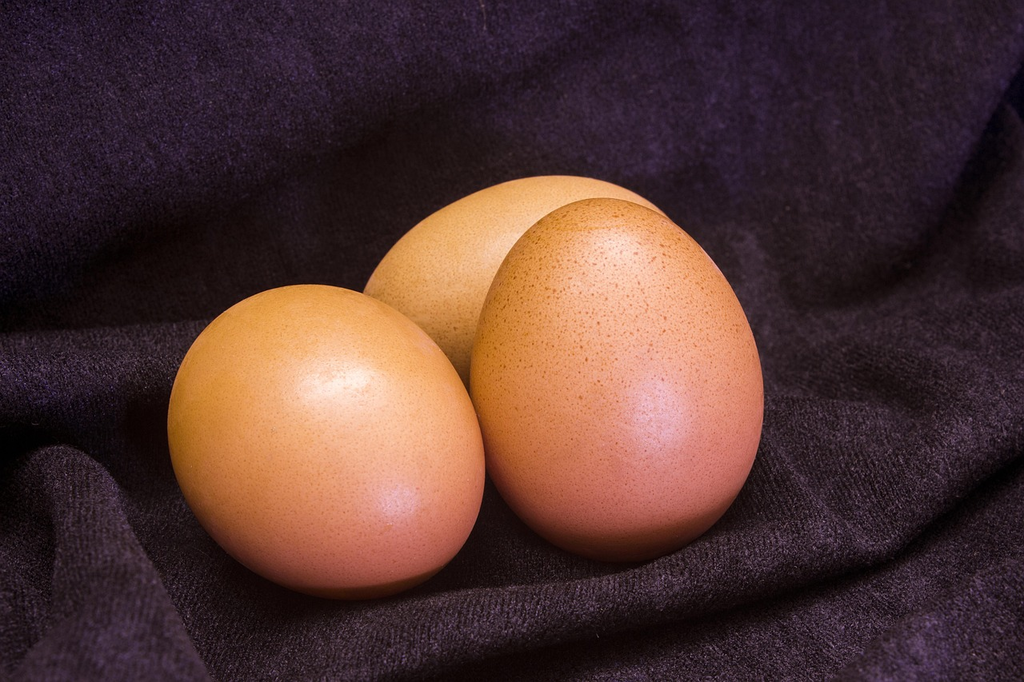
💡 Key Takeaways
- Explore the origins and central narratives of Easter (Christian) and Passover (Jewish).
- Identify key symbols and rituals commonly associated with each holiday (e.g., eggs and lamb for Easter; matzah, bitter herbs, and the Seder plate for Passover).
- Understand how each holiday is observed in practice, including calendar timing, services, and traditional foods.
- Learn how the dates are determined and why Easter and Passover dates don’t align every year.
❓ Frequently Asked Questions
What are Easter and Passover, and what do they commemorate?
Easter is a Christian holiday celebrating Jesus Christ’s resurrection; Passover is a Jewish festival that commemorates the Exodus from Egypt and the liberation of the Israelites from slavery.
How are Easter and Passover dates determined?
Easter is a moveable feast set on the Sunday after the first full moon following the vernal equinox. Passover begins on 15 Nisan in the Hebrew calendar and lasts 7-8 days, with dates that shift in the Gregorian calendar.
What foods are traditionally associated with each holiday?
Easter foods often include eggs, lamb, hot cross buns, and chocolate eggs; Passover meals feature matzah (unleavened bread), bitter herbs, charoset, and, in many traditions, roasted lamb served at the Seder.
Do Easter and Passover share any common themes or how are they observed differently?
Both emphasize memory, liberation, and family. Easter centers on church services and joyful celebration, while Passover centers on the Seder ritual and recounting the Exodus.