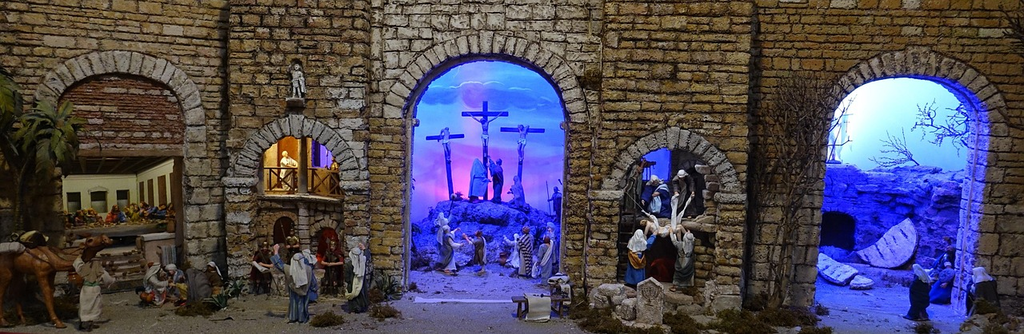
Easter, as described in the New Testament, commemorates the resurrection of Jesus Christ three days after his crucifixion. This pivotal event, celebrated by Christians worldwide, signifies victory over sin and death, affirming Jesus as the Son of God. The New Testament Gospels—Matthew, Mark, Luke, and John—detail the events of the resurrection, which forms the foundation of Christian faith and the promise of eternal life for believers.
Easter and the New Testament
Easter, as described in the New Testament, commemorates the resurrection of Jesus Christ three days after his crucifixion. This pivotal event, celebrated by Christians worldwide, signifies victory over sin and death, affirming Jesus as the Son of God. The New Testament Gospels—Matthew, Mark, Luke, and John—detail the events of the resurrection, which forms the foundation of Christian faith and the promise of eternal life for believers.

💡 Key Takeaways
- Identify the major events of Easter week as described in the New Testament (Palm Sunday through the Resurrection).
- Explain the central theological significance of the Resurrection for Christian faith as presented in the New Testament.
- Compare Easter narratives across the four Gospels to spot common core details and notable differences.
- Recognize Easter-related symbols and terms (empty tomb, risen Jesus, the Paschal mystery) and their biblical contexts.
❓ Frequently Asked Questions
What is Easter in the New Testament?
Easter in the NT is the celebration of Jesus' resurrection from the dead, as described in the Gospels, seen as the foundation of Christian faith and hope.
Which New Testament books recount the resurrection?
The primary accounts are in Matthew, Mark, Luke, and John; Paul also explains the resurrection in 1 Corinthians 15.
How is Easter connected to Passover in the New Testament?
The crucifixion and resurrection occur around Passover; the Gospel writers frame Jesus with Passover imagery (the Paschal lamb) and describe the Last Supper as a Passover meal in several accounts.
What is the significance of the empty tomb in the New Testament?
The empty tomb is presented as evidence of the resurrection, leading to post-resurrection appearances and affirming that Jesus defeated death for believers.