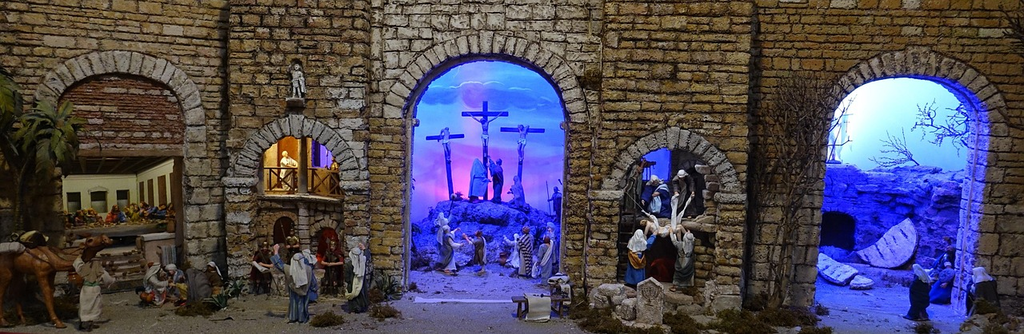
Easter and the Triduum refer to the central celebrations of the Christian faith. The Triduum, meaning "three days," includes Holy Thursday, Good Friday, and Holy Saturday, commemorating the Last Supper, Jesus’ crucifixion, and his burial. Easter Sunday follows, celebrating Jesus’ resurrection from the dead. Together, these days mark the climax of Holy Week, focusing on themes of sacrifice, redemption, and new life in Christian tradition.
Easter and the Triduum
Easter and the Triduum refer to the central celebrations of the Christian faith. The Triduum, meaning "three days," includes Holy Thursday, Good Friday, and Holy Saturday, commemorating the Last Supper, Jesus’ crucifixion, and his burial. Easter Sunday follows, celebrating Jesus’ resurrection from the dead. Together, these days mark the climax of Holy Week, focusing on themes of sacrifice, redemption, and new life in Christian tradition.
💡 Key Takeaways
- Understand what the Easter Triduum is and which days it includes (Holy Thursday, Good Friday, Holy Saturday).
- Learn the key events remembered during the Triduum: the Last Supper, Jesus' Passion and crucifixion, and the Resurrection.
- Recognize common Triduum rituals and symbols, such as foot washing, the altar of repose, and the Easter Vigil with the Paschal candle.
- Distinguish the Triduum from Easter Sunday and how the liturgical mood moves from sorrow to celebration.
❓ Frequently Asked Questions
What is the Easter Triduum?
The three most sacred days of Holy Week, from Holy Thursday evening to Easter Sunday, commemorating Jesus’ Last Supper, Passion, and Resurrection.
What events are celebrated during the Triduum?
Holy Thursday: the Last Supper; Good Friday: Jesus’ Passion and crucifixion; Holy Saturday: the tomb and anticipation of the Resurrection; Easter Sunday: the Resurrection.
What is Palm Sunday?
The Sunday before Easter commemorating Jesus’ triumphal entry into Jerusalem, when palm branches are blessed and carried.
What is the Easter Vigil and why is it important?
Held on Holy Saturday evening, it begins the Easter celebration with the Paschal candle, Scripture readings, and the first Mass of Easter, proclaiming the Resurrection.