Easter is a Christian holiday celebrating the resurrection of Jesus Christ, and its date is closely linked to the vernal equinox. The vernal equinox marks the beginning of spring, occurring around March 20-21 in the Northern Hemisphere. Easter is observed on the first Sunday after the first full moon following the vernal equinox. This connection ties the religious celebration to ancient traditions and the changing of the seasons.
Easter and the Vernal Equinox
Easter is a Christian holiday celebrating the resurrection of Jesus Christ, and its date is closely linked to the vernal equinox. The vernal equinox marks the beginning of spring, occurring around March 20-21 in the Northern Hemisphere. Easter is observed on the first Sunday after the first full moon following the vernal equinox. This connection ties the religious celebration to ancient traditions and the changing of the seasons.
💡 Key Takeaways
- Define the vernal (spring) equinox and its astronomical significance.
- Explain how Easter’s date is calculated using the vernal equinox and the paschal full moon.
- Understand why Easter can fall in March or April depending on the year.
- Identify common Easter symbols and springtime traditions and their origins.
❓ Frequently Asked Questions
What is the vernal equinox?
The moment the Sun crosses the celestial equator moving north, roughly March 20–21, marking the start of spring in the Northern Hemisphere and balancing day and night.
How is Easter date determined?
Easter Sunday is the first Sunday after the Paschal Full Moon (an ecclesiastical moon) that occurs following the vernal equinox; dates range from late March to late April.
Do Easter and the vernal equinox always line up?
No. The equinox is an astronomical event; Easter’s date depends on lunar cycles and a Sunday, so it can fall before, after, or near the equinox.
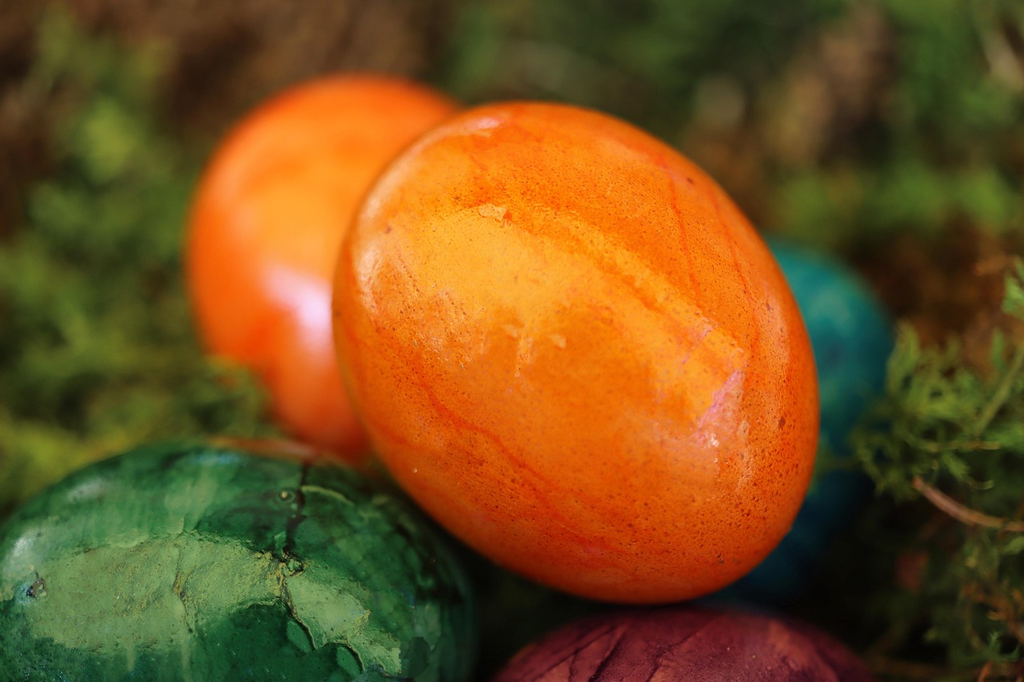
Why are eggs and symbols common with Easter?
Eggs symbolize rebirth and spring; Easter traditions often use eggs and other symbols as secular celebrations of renewal, separate from the religious observance.