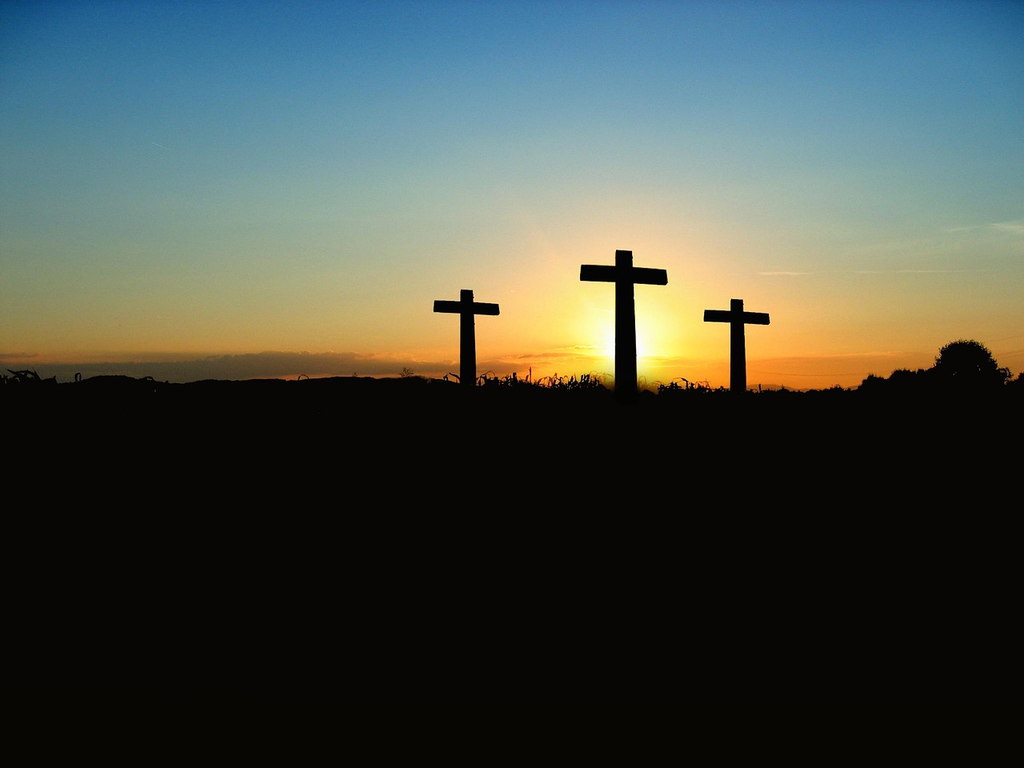
Easter Around the World highlights the diverse ways different cultures celebrate the spring holiday of Easter. Traditions range from religious ceremonies and festive parades to egg decorating and unique local customs. In some countries, people enjoy special foods, while others host egg hunts or light bonfires. Despite regional differences, Easter universally symbolizes renewal, hope, and the arrival of spring, bringing communities together in joyful celebration.
Easter Around the World
Easter Around the World highlights the diverse ways different cultures celebrate the spring holiday of Easter. Traditions range from religious ceremonies and festive parades to egg decorating and unique local customs. In some countries, people enjoy special foods, while others host egg hunts or light bonfires. Despite regional differences, Easter universally symbolizes renewal, hope, and the arrival of spring, bringing communities together in joyful celebration.
💡 Key Takeaways
- Identify common Easter symbols (eggs, rabbits, lilies) and what they signify across cultures
- Compare how Easter is celebrated around the world, including popular customs, games, and foods
- Explain the historical and religious origins of Easter traditions and how they vary by region
- Describe how Western and Orthodox calendars influence Easter dates and related celebrations
❓ Frequently Asked Questions
What is Easter and how is its date determined?
Easter celebrates Jesus' resurrection in Christian tradition. The date varies each year: Western churches celebrate on the Sunday after the Paschal full moon (the first full moon on or after March 21); Orthodox churches often follow the Julian calendar, so their date may differ.
What are common Easter symbols and what do they mean?
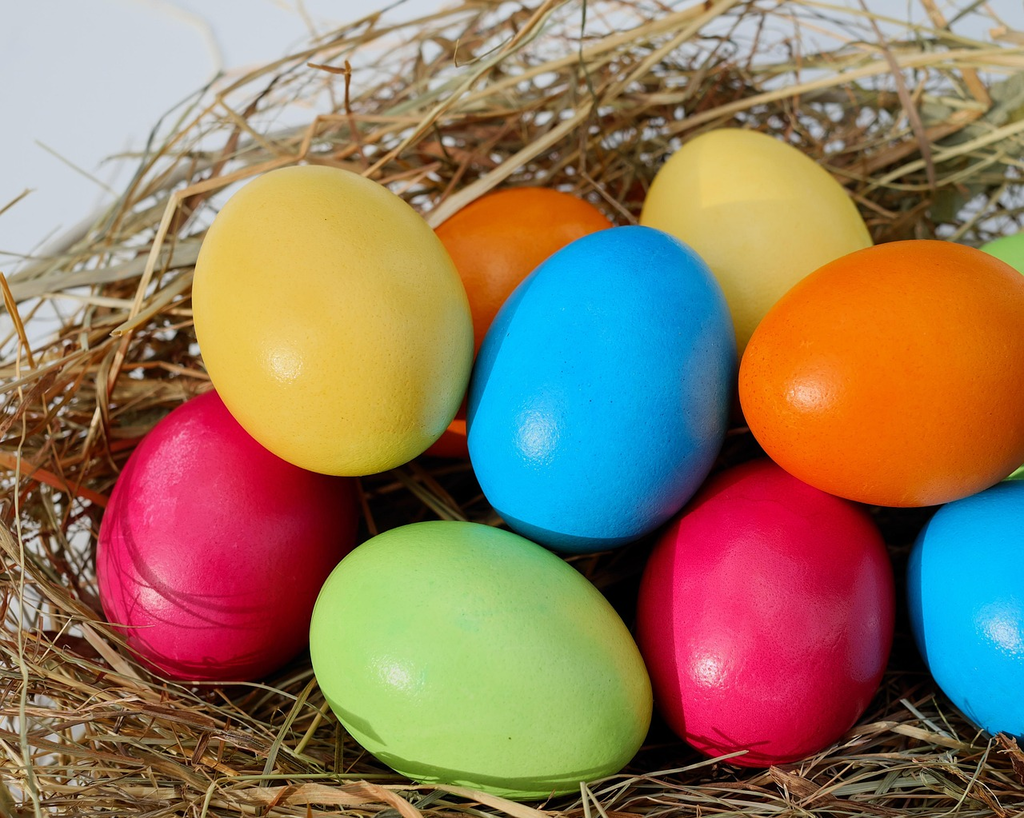
Eggs symbolize new life and rebirth and are often decorated or used in hunts; the Easter bunny is a popular secular symbol of fertility; some traditions also feature seasonal foods like hot cross buns.
How do Western and Orthodox Easter celebrations typically differ?
Western Easter emphasizes church services, family meals, and egg/decorating customs. Orthodox Easter often features a midnight service and a fasting period beforehand, with distinct foods such as kulich and paskha.
Name a few iconic Easter foods or customs from different countries.
United Kingdom: hot cross buns; Russia/Ukraine: kulich and paskha; Poland: decorated pisanki eggs and festive breakfasts; Spain: Semana Santa processions.