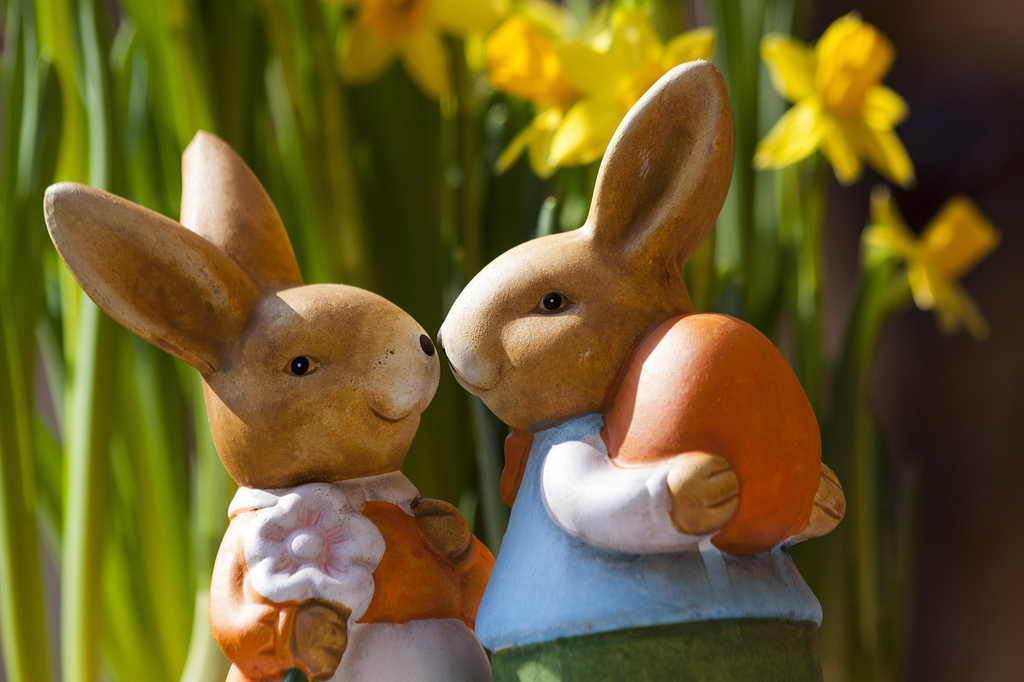
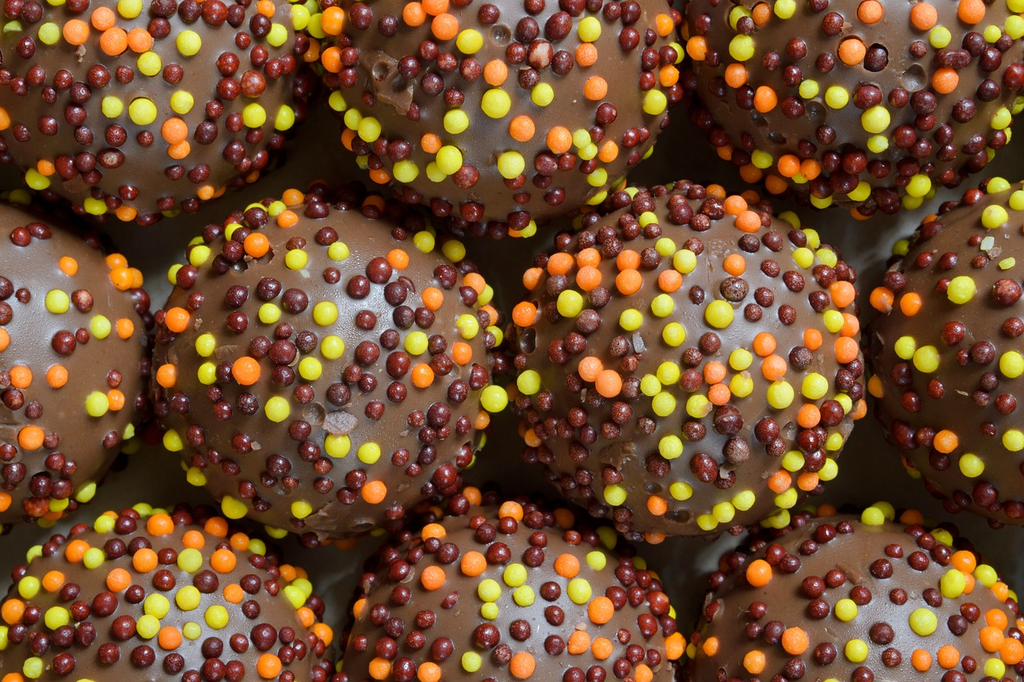
Easter candy refers to a variety of sweet treats traditionally enjoyed during the Easter holiday. Popular types include chocolate eggs, marshmallow chicks, jelly beans, and candy-coated chocolates. These candies are often brightly colored and shaped like eggs, bunnies, or chicks, symbolizing new life and spring. They are commonly given as gifts, hidden for egg hunts, or included in festive baskets, making them a central part of Easter celebrations for children and families.
Easter Candy+50
Easter candy refers to a variety of sweet treats traditionally enjoyed during the Easter holiday. Popular types include chocolate eggs, marshmallow chicks, jelly beans, and candy-coated chocolates. These candies are often brightly colored and shaped like eggs, bunnies, or chicks, symbolizing new life and spring. They are commonly given as gifts, hidden for egg hunts, or included in festive baskets, making them a central part of Easter celebrations for children and families.
💡 Key Takeaways
- Identify common Easter candy types (chocolate eggs, jelly beans, marshmallow chicks) and their defining features
- Learn basic candy-making concepts behind Easter sweets (tempering chocolate, sugar candy, and marshmallow textures)
- Read nutrition labels and practice mindful indulgence around Easter candy
- Explore the history and global variations of Easter candy traditions
❓ Frequently Asked Questions
What are common types of Easter candy?
Popular options include chocolate eggs (solid or hollow), candy-coated eggs, jelly beans, marshmallow chicks (Peeps), and creme-filled or bunny-shaped candies.
Why are eggs a central Easter symbol in candy?
Eggs symbolize new life and rebirth; Easter candy often features egg-shaped treats and egg hunts as part of the celebration.
How can I read candy labels for dietary needs?
Check ingredients for dairy, nuts, gluten, and soy; look for allergen warnings and cross-contact notes; choose labeled allergen-free or suitable options when needed.
When do Easter candies typically hit stores?
Stores usually stock Easter candy in late winter to early spring, with peak availability from March through Easter.