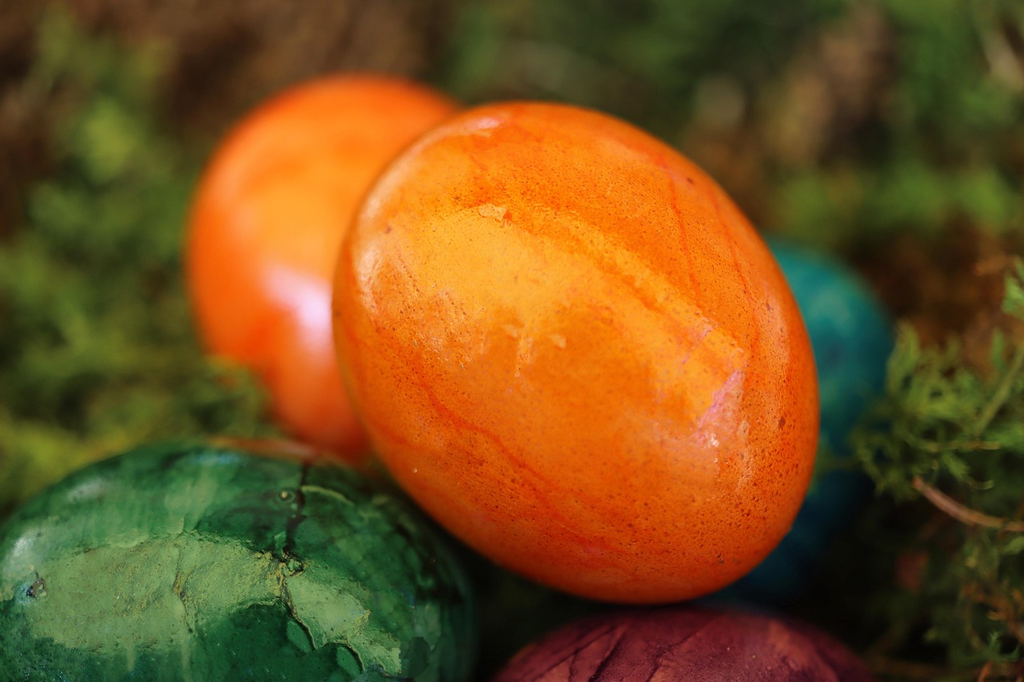
An Easter Hunt, traditionally held during Easter, is a festive activity where children search for hidden eggs, often filled with candy or small toys. These eggs can be real, painted, or plastic, and are concealed indoors or outdoors by adults. The hunt encourages excitement, teamwork, and exploration, symbolizing the joy and renewal associated with Easter. It is a cherished custom in many cultures, bringing families and communities together to celebrate the holiday.
Easter Hunt+50
An Easter Hunt, traditionally held during Easter, is a festive activity where children search for hidden eggs, often filled with candy or small toys. These eggs can be real, painted, or plastic, and are concealed indoors or outdoors by adults. The hunt encourages excitement, teamwork, and exploration, symbolizing the joy and renewal associated with Easter. It is a cherished custom in many cultures, bringing families and communities together to celebrate the holiday.
💡 Key Takeaways
- Understand the purpose and traditions of Easter egg hunts.
- Learn how to plan hide locations and clue progression suitable for different ages.
- Identify safety guidelines and allergy-friendly or non-candy prize options.
- Explore inclusive practices to ensure all participants can join.
❓ Frequently Asked Questions
What is an Easter egg hunt?
An Easter egg hunt is a traditional activity where eggs (real, chocolate, or plastic) are hidden for participants to find, usually as part of Easter celebrations.
When is Easter celebrated and how is the date determined?
Easter Sunday date varies each year. It falls on the Sunday after the Paschal Full Moon, i.e., the first full moon on or after March 21.
What items are commonly hidden in Easter egg hunts?
Common items include chocolate eggs, plastic eggs filled with candy or small toys, and sometimes real decorated eggs.
How can you run a safe Easter egg hunt?
Choose a safe area, set clear boundaries, supervise children, use age-appropriate items, avoid small parts for very young kids, and check eggs for hazards.
What are common Easter symbols and meanings?
Eggs symbolize new life; the Easter hare/bunny represents fertility; lilies symbolize purity and the resurrection.