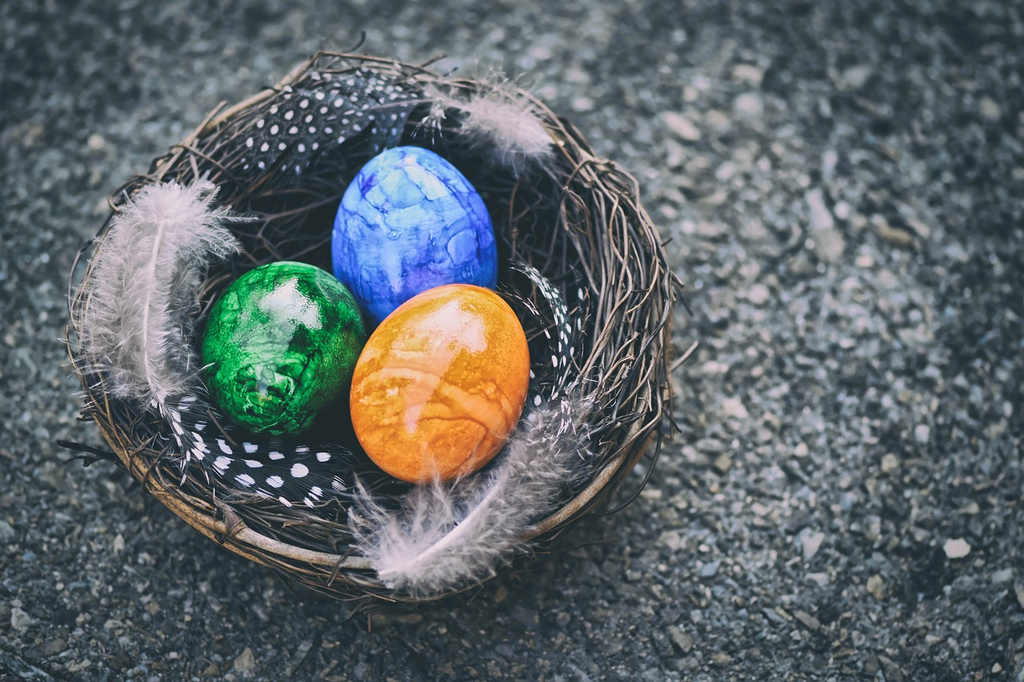
Easter in literature often symbolizes themes of rebirth, renewal, and hope. Writers use Easter to reflect on resurrection, both literal and metaphorical, drawing parallels between the holiday’s religious significance and characters’ personal transformations. The imagery of springtime, blooming flowers, and light after darkness frequently accompanies Easter references, reinforcing ideas of new beginnings. Through these motifs, literature explores the profound emotional and spiritual changes that Easter represents.
Easter in Literature
Easter in literature often symbolizes themes of rebirth, renewal, and hope. Writers use Easter to reflect on resurrection, both literal and metaphorical, drawing parallels between the holiday’s religious significance and characters’ personal transformations. The imagery of springtime, blooming flowers, and light after darkness frequently accompanies Easter references, reinforcing ideas of new beginnings. Through these motifs, literature explores the profound emotional and spiritual changes that Easter represents.

💡 Key Takeaways
- Explore how Easter motifs such as resurrection and rebirth are used in literature.
- Identify common Easter symbols (e.g., eggs, lambs, spring) and their meanings across different works.
- Analyze how Eastertime affects character development and plot progression.
- Understand the cultural and historical contexts that shape Easter portrayals in literature.
❓ Frequently Asked Questions
What does Easter symbolize in literature?
Rebirth, renewal, sacrifice, redemption, and hope; often linked to spring and Christian themes to signal transformation for characters or communities.
Which classic works feature Easter or resurrection themes?
Tolstoy's Resurrection directly explores rebirth; Dickens's A Tale of Two Cities uses a resurrection motif to signal renewal amid crisis.
What symbols are commonly associated with Easter in literature?
Eggs (new life), dawn/springtime, lilies, crosses, and imagery of water or cleansing that signal rebirth.
How can you identify Easter-themed moments in a story?
Look for moments of transformation after hardship, mercy or forgiveness, and scenes signaling new beginnings or redemption.