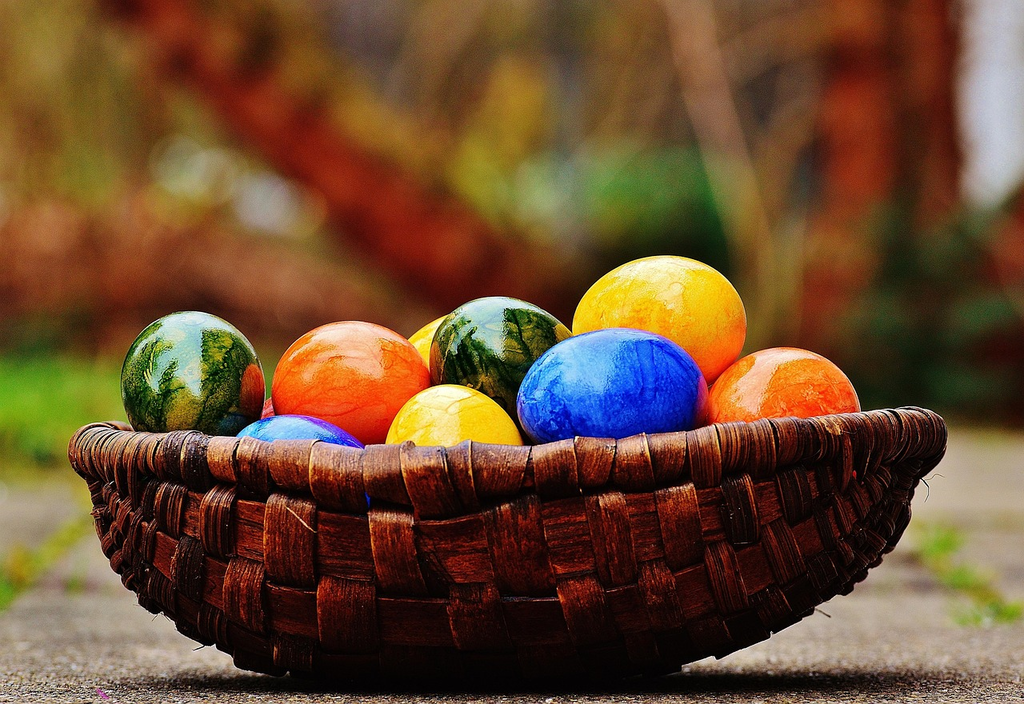
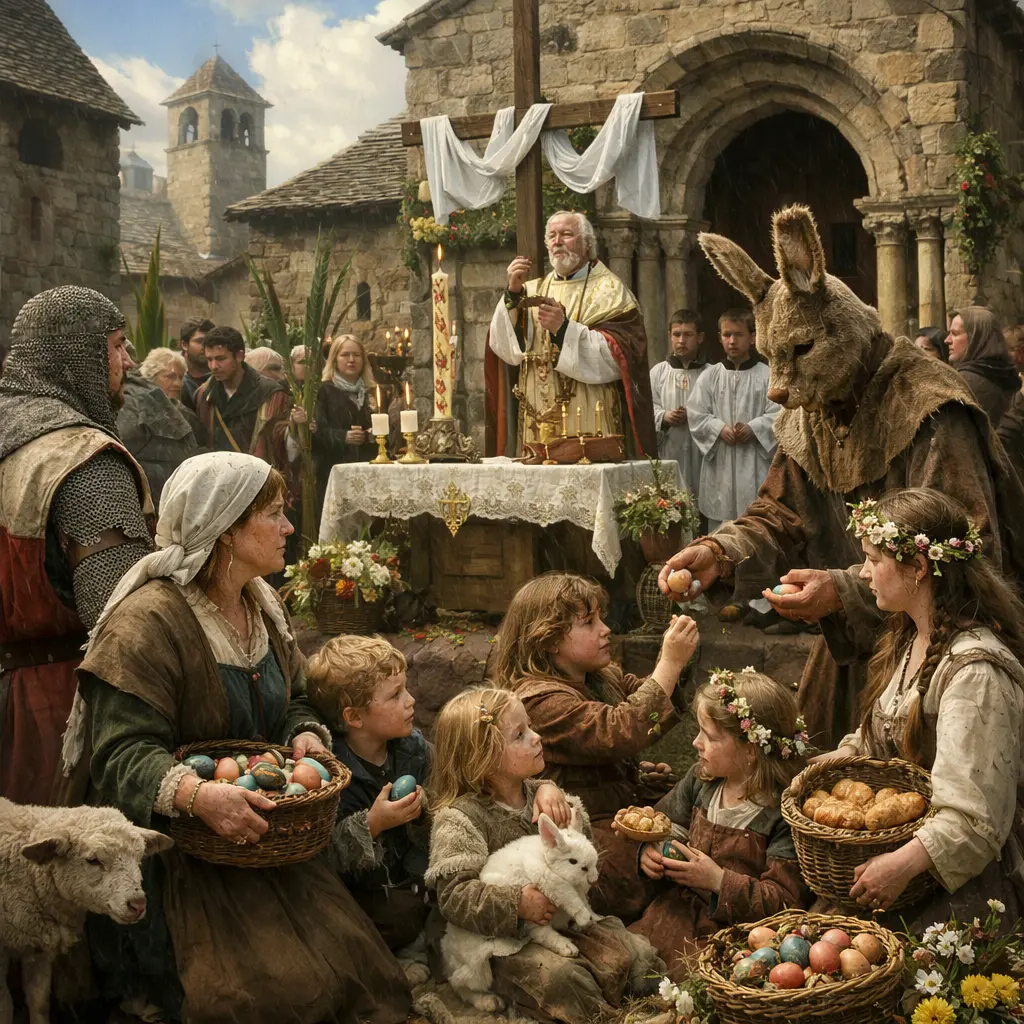
Easter in Medieval times was a significant religious festival celebrating the resurrection of Jesus Christ. It was marked by special church services, elaborate processions, and the ringing of bells. People fasted during Lent and broke their fast with feasting on Easter Sunday. Decorated eggs symbolized new life, and various folk traditions, such as games and fairs, were common. Easter also influenced medieval art, music, and drama, reflecting its central place in medieval Christian society.
Easter in Medieval Times
Easter in Medieval times was a significant religious festival celebrating the resurrection of Jesus Christ. It was marked by special church services, elaborate processions, and the ringing of bells. People fasted during Lent and broke their fast with feasting on Easter Sunday. Decorated eggs symbolized new life, and various folk traditions, such as games and fairs, were common. Easter also influenced medieval art, music, and drama, reflecting its central place in medieval Christian society.
💡 Key Takeaways
- Understand how Easter was celebrated in medieval Europe and its place in the liturgical year
- Learn common Easter customs and symbols of medieval times, such as eggs, processions, and post-Lent feasting
- Explore how the medieval church shaped Easter practices, fasting rules, and charitable acts
- Discover regional and social variations of Easter traditions in the Middle Ages
❓ Frequently Asked Questions
What is Easter in Medieval Times and why is it important?
A central Christian festival celebrating Jesus’ Resurrection, marking the end of Lent and the peak of the liturgical year. It was a major focus of worship, feasting, and family life.
What was Lent and Holy Week like for medieval communities?
Lent involved fasting and abstinence from meat and dairy. Holy Week included solemn processions and prayers leading up to Easter Sunday, which brought a feast.
What were common Easter customs in medieval Europe?
Eggs, symbols of new life, were collected during Lent and eaten on Easter. They were often decorated or colored, and families shared or exchanged eggs as part of the celebration; church bells and processions also marked the day.
What role did the church play in medieval Easter celebrations?
Churches organized the main rites—Easter Vigil, Paschal Masses, and blessings—while monasteries and parishes hosted prayers, pageants, and charitable acts.
How was the date of Easter determined in medieval times?
Easter was set as the first Sunday after the Paschal full moon following the vernal equinox, using the computus. It fell on a Sunday between late March and late April, calculated under the Julian calendar (before the Gregorian reform).