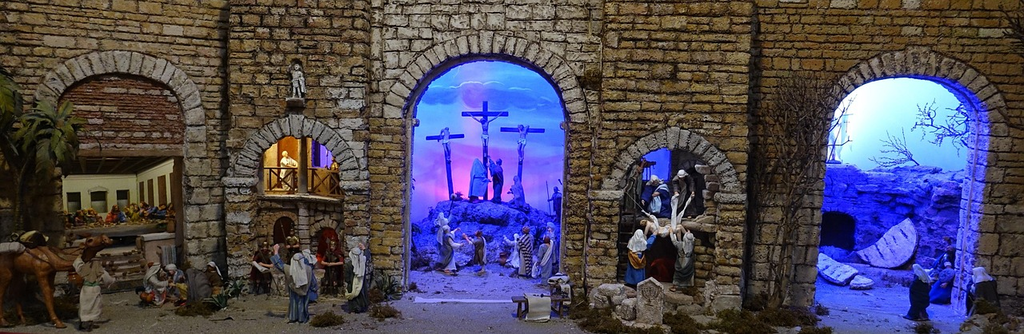
Easter in the Bible refers to the celebration of Jesus Christ’s resurrection from the dead, which is considered the cornerstone of Christian faith. The event is described in the New Testament, particularly in the Gospels, where Jesus rises on the third day after his crucifixion. Easter symbolizes victory over sin and death, offering hope and new life to believers. The holiday is marked by worship, rejoicing, and reflection on Christ’s sacrifice and triumph.
Easter in the Bible
Easter in the Bible refers to the celebration of Jesus Christ’s resurrection from the dead, which is considered the cornerstone of Christian faith. The event is described in the New Testament, particularly in the Gospels, where Jesus rises on the third day after his crucifixion. Easter symbolizes victory over sin and death, offering hope and new life to believers. The holiday is marked by worship, rejoicing, and reflection on Christ’s sacrifice and triumph.
💡 Key Takeaways
- Grasp the biblical sequence of Easter: Jesus’ crucifixion, burial, and resurrection.
- Understand why Easter matters theologically—forgiveness, salvation, and new life.
- Identify the key Bible passages that describe Easter and what they reveal about the resurrection.
- See the connection between Easter and the Passover as symbols pointing to Jesus as the Lamb of God.
❓ Frequently Asked Questions
What is Easter in the Bible?
Easter celebrates Jesus’ resurrection on the third day after his crucifixion, confirming his victory over death and offering eternal life to believers (Matthew 28; Mark 16; Luke 24; John 20–21).
How is Easter related to Passover?
Easter is connected to Passover; Jesus’ crucifixion and resurrection occurred during Passover week in Jerusalem, and Jesus is depicted as the Lamb of God (John 1:29; 1 Corinthians 5:7).
Where does the term 'Easter' come from?
In many English translations, the festival is called Easter, while some traditions use Pascha (Greek for Passover); the name reflects the festival’s link to Passover in various Christian histories.
What are the key events of Holy Week leading to Easter?
Palm Sunday (Jesus’ entry into Jerusalem), Maundy Thursday (Last Supper), Good Friday (crucifixion), Holy Saturday (appeal of waiting), and Easter Sunday (resurrection).