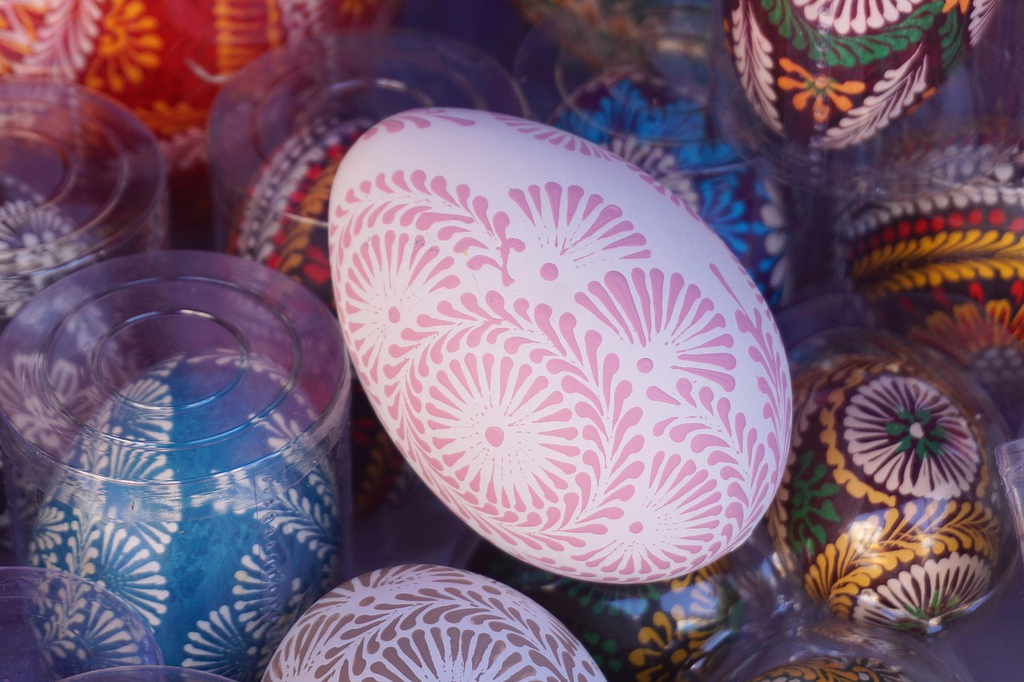
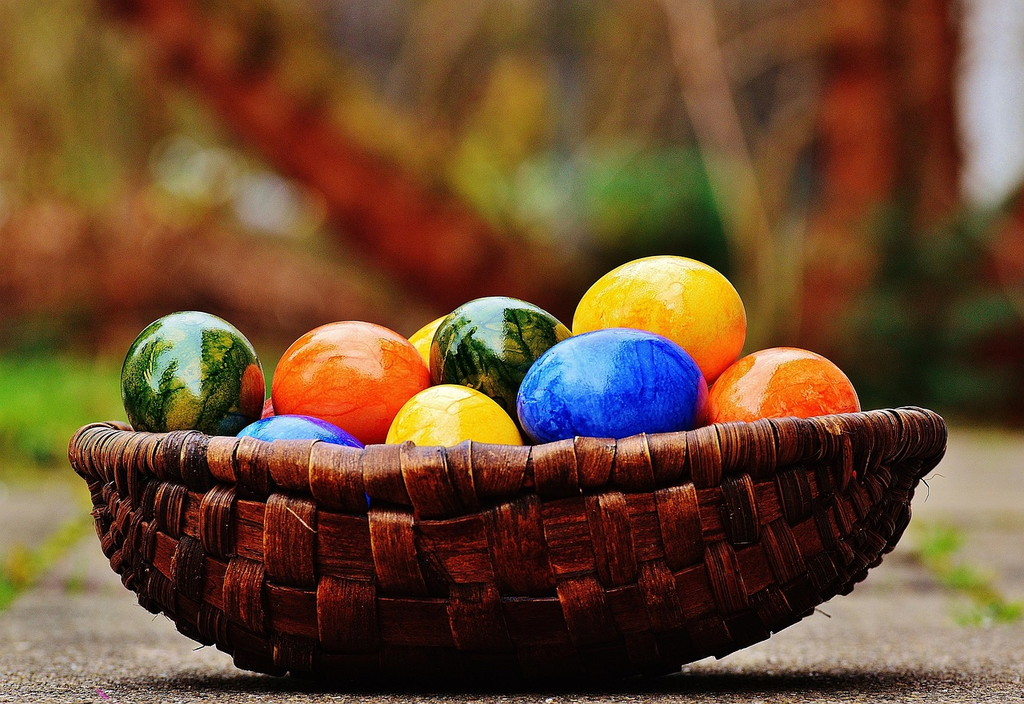
Easter symbols are meaningful objects and images associated with the celebration of Easter. Common symbols include the Easter egg, representing new life and resurrection; the Easter bunny, symbolizing fertility and spring; lilies, signifying purity and renewal; and the lamb, reflecting Jesus as the "Lamb of God." These symbols are used in decorations, traditions, and festivities, helping to convey the spiritual and seasonal significance of Easter.
Easter Symbols
Easter symbols are meaningful objects and images associated with the celebration of Easter. Common symbols include the Easter egg, representing new life and resurrection; the Easter bunny, symbolizing fertility and spring; lilies, signifying purity and renewal; and the lamb, reflecting Jesus as the "Lamb of God." These symbols are used in decorations, traditions, and festivities, helping to convey the spiritual and seasonal significance of Easter.
💡 Key Takeaways
- Identify common Easter symbols (egg, bunny, cross) and what they symbolize.
- Explain how Easter eggs, bunnies, and other symbols originated and evolved over time.
- Explore cultural variations of Easter symbolism across different regions and traditions.
- Connect Easter symbols to themes of renewal, rebirth, and spiritual significance.
❓ Frequently Asked Questions
What does the Easter egg symbolize?
In Christianity, eggs symbolize new life and the empty tomb of Jesus; they also reflect spring and fertility as a broader symbol of renewal.
Why is the Easter bunny associated with Easter?
The bunny is a folkloric emblem of fertility and new life that appeared in European traditions and was later linked to Easter, often depicted delivering eggs.
What is the significance of Easter lilies?
White Easter lilies symbolize purity and the resurrection; they are common decorations in churches and on Easter altars.
What does the cross represent during Easter?
The cross recalls Jesus' crucifixion and, on Easter, his resurrection—central to Christian beliefs about salvation.
What are some other common Easter symbols?
Colored eggs celebrate new life and spring; hot cross buns reflect the crucifixion with a cross on top; pastel colors symbolize joy and renewal.