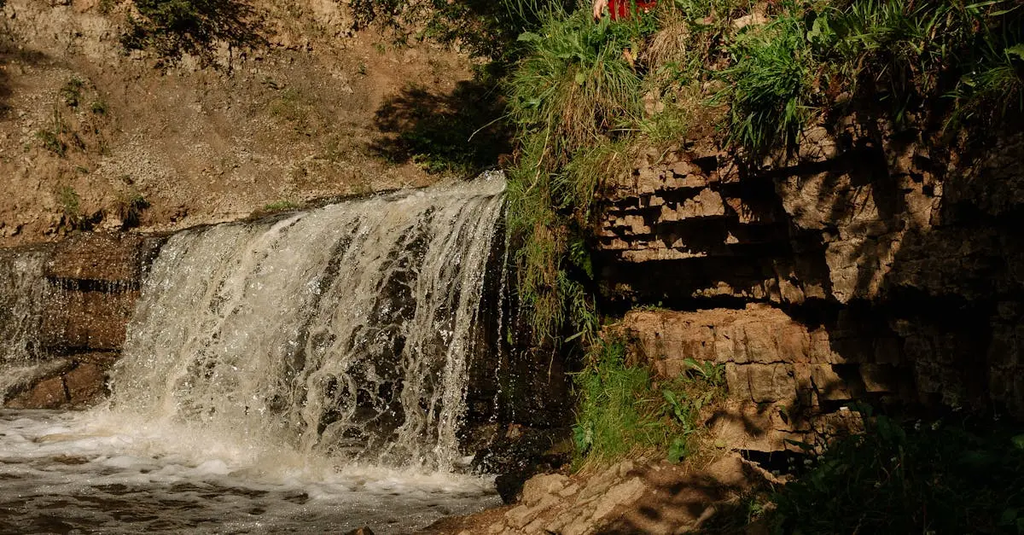
Ecocriticism examines the relationship between literature and the environment, exploring how nature and ecological issues are represented in texts. In the context of British rural and urban imaginaries, it analyzes how literary works depict the countryside and cityscapes, revealing cultural attitudes towards nature, industrialization, and environmental change. This approach uncovers how British literature shapes and reflects perceptions of rural idylls, urban development, and the tensions between natural and built environments.
Ecocriticism and British rural/urban imaginaries
Ecocriticism examines the relationship between literature and the environment, exploring how nature and ecological issues are represented in texts. In the context of British rural and urban imaginaries, it analyzes how literary works depict the countryside and cityscapes, revealing cultural attitudes towards nature, industrialization, and environmental change. This approach uncovers how British literature shapes and reflects perceptions of rural idylls, urban development, and the tensions between natural and built environments.
💡 Key Takeaways
- Understand how ecocriticism links British literature to environmental issues.
- See how countryside and city spaces are imagined in British fiction and what this reveals about culture.
- Identify ecological concerns such as pollution, land use, and sustainability in depictions of British landscapes.
- Explore how class, identity, and power shape environmental depictions in British literature.
❓ Frequently Asked Questions
What is ecocriticism?
Ecocriticism is the study of how literature portrays the relationship between people and the environment, focusing on representations of nature, ecological issues, and human–nature interactions.
What are 'British rural imaginaries' in literary analysis?
They are how the British countryside and rural life are imagined and depicted in literature—landscape, pastoral ideals, farming communities, and their tensions with modernization.
What are 'British urban imaginaries' in literary analysis?
They are the ways British cities and urban life are depicted in literature—industrial growth, cityscapes, social dynamics, anonymity, and modern anxieties.
How do ecocriticism and rural/urban imaginaries reveal cultural attitudes?
They reveal values about nature, economy, class, gender, and national identity by showing whether the environment is cherished, exploited, threatened, or used to symbolize broader cultural ideas.