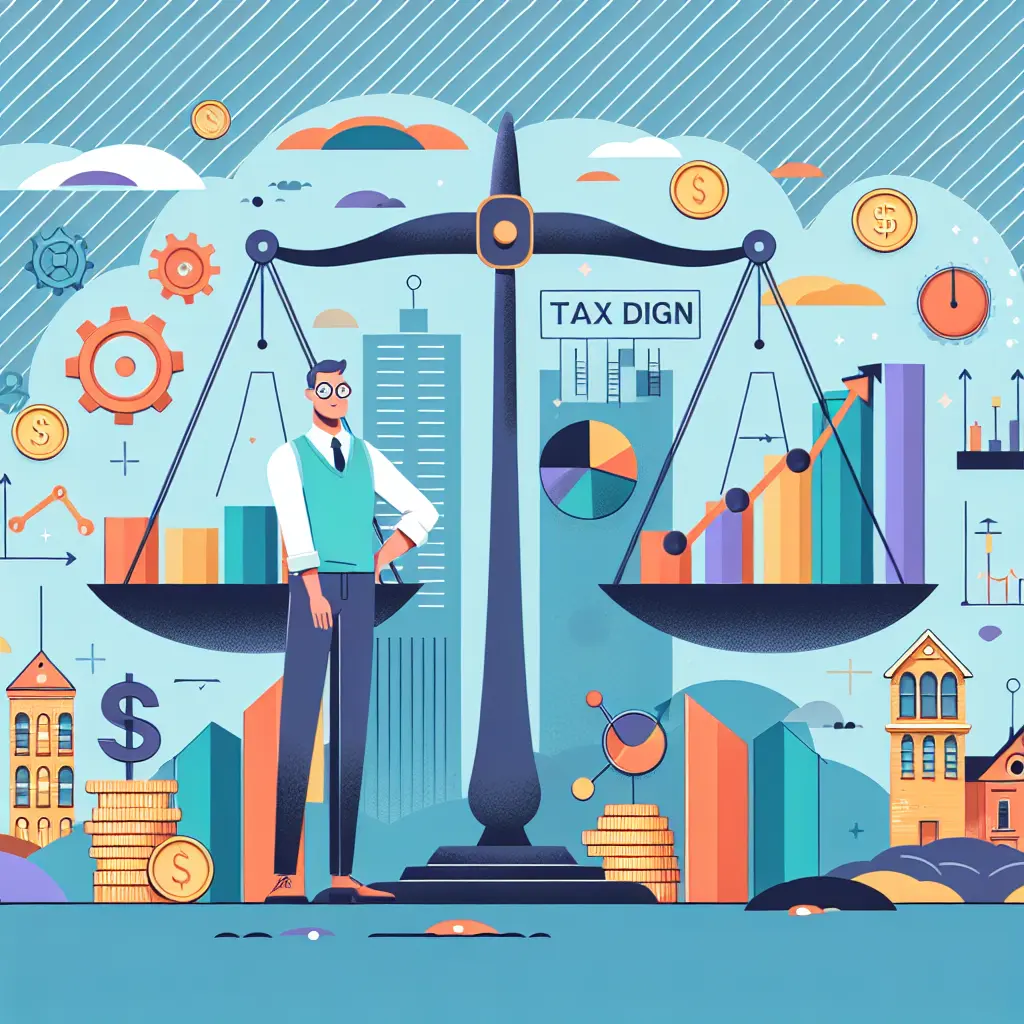
Economic inequality refers to the uneven distribution of income and wealth among individuals or groups within a society. Measurement involves various statistical tools, such as the Gini coefficient and income quintiles, to assess disparities. Policy responses aim to reduce inequality through progressive taxation, social welfare programs, minimum wage laws, and access to quality education and healthcare. Addressing economic inequality is vital for social stability, economic growth, and promoting equal opportunities.
Economic Inequality: Measurement and Policy
Economic inequality refers to the uneven distribution of income and wealth among individuals or groups within a society. Measurement involves various statistical tools, such as the Gini coefficient and income quintiles, to assess disparities. Policy responses aim to reduce inequality through progressive taxation, social welfare programs, minimum wage laws, and access to quality education and healthcare. Addressing economic inequality is vital for social stability, economic growth, and promoting equal opportunities.

💡 Key Takeaways
- Define economic inequality and identify its main measures (e.g., Gini coefficient, income quintiles, and the Lorenz curve).
- Explain how the Gini coefficient and quintile analysis quantify disparities across a society.
- Describe policy tools commonly used to reduce inequality, such as progressive taxation, transfers, and investments in education and social programs.
- Discuss potential trade-offs and considerations when designing inequality-reducing policies (economic growth, incentives, and fairness).
❓ Frequently Asked Questions
What is economic inequality?
Economic inequality is the uneven distribution of income and wealth across individuals or groups in a society, affecting opportunities and living standards.
What is the Gini coefficient?
The Gini coefficient is a summary measure of inequality that ranges from 0 (perfect equality) to 1 (max inequality); it is calculated from income or consumption data.
What are income quintiles?
Income quintiles divide the population into five equal groups by income to compare how much total income each group earns.
What policy approaches can reduce economic inequality?
Policy options include progressive taxation, social transfers, minimum wage policies, and investments in education, health, and programs that expand access to opportunities.