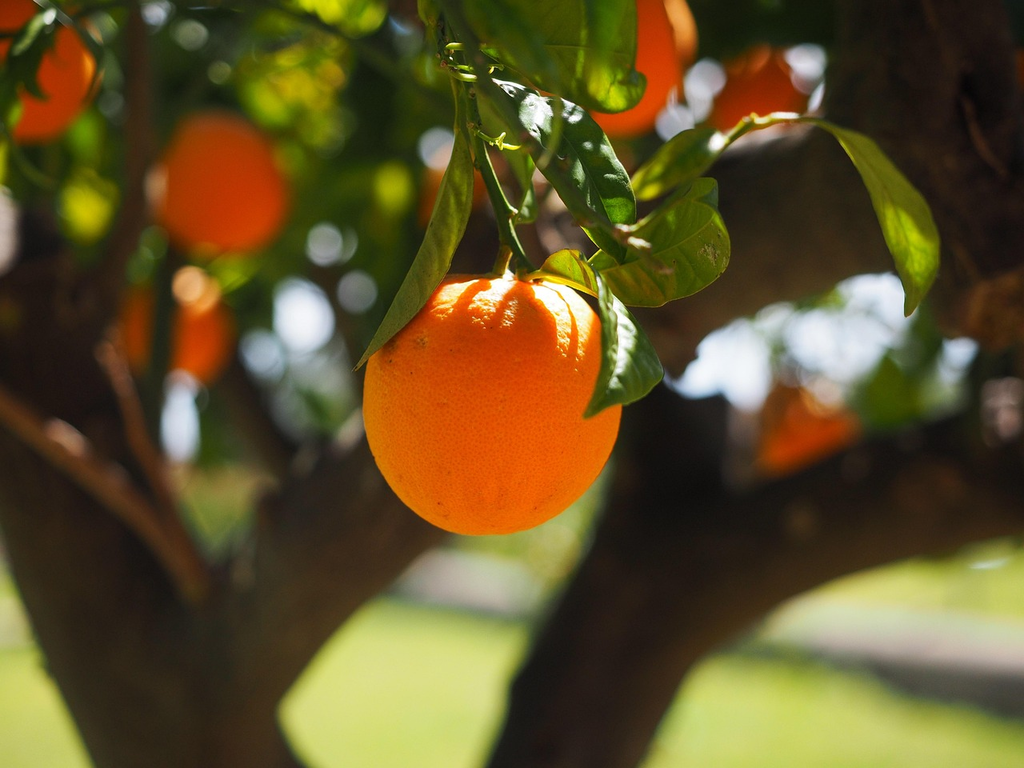
Economic models of cherry supply chains analyze the flow of cherries from farms to consumers, considering production, harvesting, storage, transportation, and market dynamics. These models evaluate costs, pricing strategies, supply and demand fluctuations, and the impact of external factors like weather or trade policies. By comparing cherry supply chains with those of other fruits, such as oranges, they help optimize efficiency, reduce waste, and enhance profitability for stakeholders across the supply network.
Economic Models of Cherry Supply Chains
Economic models of cherry supply chains analyze the flow of cherries from farms to consumers, considering production, harvesting, storage, transportation, and market dynamics. These models evaluate costs, pricing strategies, supply and demand fluctuations, and the impact of external factors like weather or trade policies. By comparing cherry supply chains with those of other fruits, such as oranges, they help optimize efficiency, reduce waste, and enhance profitability for stakeholders across the supply network.
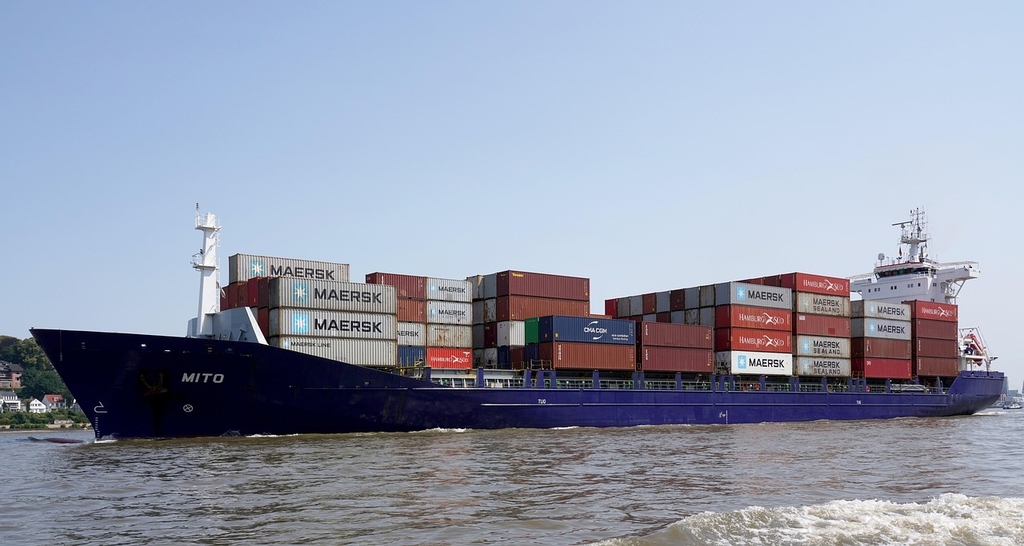
💡 Key Takeaways
- Understand how the perishability of cherries shapes inventory decisions, spoilage risk, and harvest timing in supply chains.
- Explore economic models used to forecast cherry supply and demand, including seasonality, stochastic shocks, and price elasticity.
- Learn how contracts, pricing, and coordination mechanisms align incentives across growers, distributors, and retailers to reduce waste.
- Compare logistics and distribution options (local markets vs. long-distance shipping) and how they affect costs, freshness, and final prices.
❓ Frequently Asked Questions
What are the main stages in a cherry supply chain that economic models typically consider?
Production (orchard farming and harvest) → post‑harvest handling (sorting/grading) → cold storage/packing → transportation to wholesalers/retailers or processors → distribution to consumers; cost drivers include picking, cooling, grading, transport, and spoilage.
Why is perishability central to modeling cherry supply chains?
Cherries spoil quickly, so storage is costly and turnover must be fast; perishability drives spoilage losses, inventory decisions, pricing dynamics, and the value of logistics performance.
How do seasonality and seasonal demand affect cherry prices in these models?
Cherries have a short harvest window, making supply relatively inelastic in the season and causing price volatility; demand can shift with promotions or weather, and storage or imports can moderate swings.
What is price transmission and why does it matter for cherries along the supply chain?
Price transmission describes how farm-gate price changes move through intermediaries to wholesale/retail prices; it depends on contracts, market power, and spoilage risk, and it can dampen or amplify shocks.
How do contracts and vertical coordination influence risk and incentives in cherry supply chains?
Contracts (quality/quantity terms, fixed or price-linked payments) align incentives, reduce uncertainty, share risk, and shape investments in storage, sorting, and logistics, affecting overall efficiency and prices.