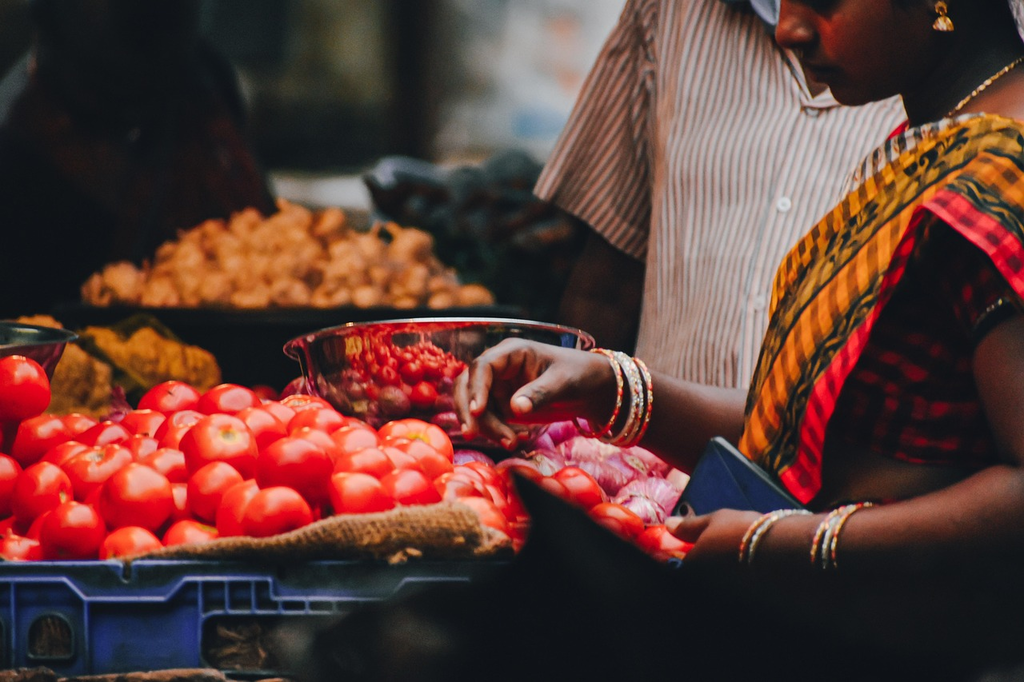
Economic models of orange supply chains analyze the flow of oranges and cherries from producers to consumers, focusing on production, distribution, and pricing. These models consider factors like input costs, market demand, transportation logistics, and perishability. They help identify optimal strategies for supply chain efficiency, cost reduction, and profit maximization. By evaluating variables such as seasonality, trade policies, and market competition, these models support decision-making for growers, distributors, and retailers in the fresh fruit industry.
Economic Models of Orange Supply Chains
Economic models of orange supply chains analyze the flow of oranges and cherries from producers to consumers, focusing on production, distribution, and pricing. These models consider factors like input costs, market demand, transportation logistics, and perishability. They help identify optimal strategies for supply chain efficiency, cost reduction, and profit maximization. By evaluating variables such as seasonality, trade policies, and market competition, these models support decision-making for growers, distributors, and retailers in the fresh fruit industry.

💡 Key Takeaways
- Perishability shapes inventory, pricing, and waste considerations in orange supply chains.
- Demand, seasonality, and price signals drive decisions by producers and distributors.
- Transportation, handling, and storage costs influence cost structure and market equilibrium.
- Contracts and risk management tools (futures, forwards, and vertical coordination) help stabilize orange markets.
❓ Frequently Asked Questions
What is the basic economic model used to study orange supply chains?
A supply-and-demand framework that determines an equilibrium price, augmented with factors like perishability, seasonal harvests, and transportation costs.
Why is perishability important in orange supply chain models?
Oranges spoil quickly, so inventory holding costs, spoilage risk, and the timing of harvest-to-sale influence prices and how much stock to keep.
How do seasonality and harvest cycles affect orange prices in these models?
Harvest peaks increase supply and lower prices, while off-season supply (imports or stocks) tends to raise prices; models often include seasonal supply shifts or time-series factors.
What is the role of contracts and intermediaries in orange supply chains?
Contracts hedge price and quantity risk and align incentives; intermediaries reduce transaction costs and can affect margins, influencing pricing dynamics.
How do transportation costs and spoilage risk shape decisions in orange supply chains?
Higher transport costs raise landed prices and may discourage distant sourcing; spoilage risk pushes for faster shipping and tighter inventory, affecting routing and timing.