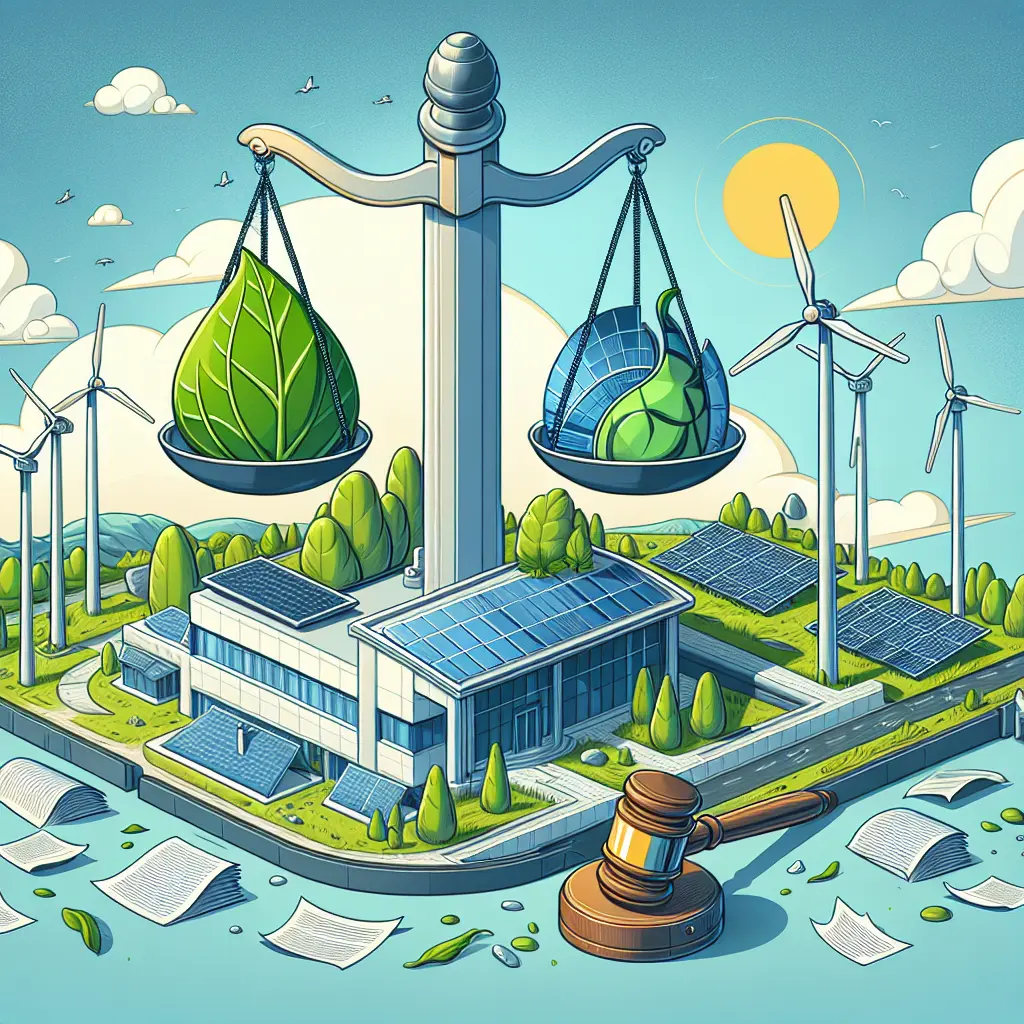
Economic regulation refers to government-imposed rules and controls over economic activities, often to protect consumers, ensure fair competition, or achieve social objectives. It includes price controls, quality standards, and market entry restrictions. Deregulation, on the other hand, involves reducing or eliminating these government interventions to promote efficiency, competition, and innovation. The balance between regulation and deregulation shapes how markets operate and impacts economic growth and public welfare.
Economic Regulation & Deregulation
Economic regulation refers to government-imposed rules and controls over economic activities, often to protect consumers, ensure fair competition, or achieve social objectives. It includes price controls, quality standards, and market entry restrictions. Deregulation, on the other hand, involves reducing or eliminating these government interventions to promote efficiency, competition, and innovation. The balance between regulation and deregulation shapes how markets operate and impacts economic growth and public welfare.
💡 Key Takeaways
- Define economic regulation and explain its role in consumer protection, fair competition, and social objectives.
- Identify common regulatory tools—price controls, quality standards, and market entry restrictions—and what they regulate.
- Explain what deregulation means, why governments pursue it, and its potential effects on efficiency, prices, and innovation.
- Compare regulated and deregulated markets, outlining the trade-offs and who benefits or bears the costs.
❓ Frequently Asked Questions
What is economic regulation?
Economic regulation refers to government-imposed rules that shape how markets operate to protect consumers, ensure fair competition, and achieve social objectives. Examples include price controls, quality standards, and licensing requirements.
What is deregulation?
Deregulation is the process of reducing, simplifying, or removing government rules and restrictions on an industry, aiming to increase competition and efficiency while preserving essential protections.
What are price controls, and why are they used?
Price controls are legal limits on how high or low prices can be for certain goods or services. They’re used to prevent price gouging or keep essential items affordable, though they can affect supply and incentives.
How do regulators enforce quality standards?
Regulators set minimum quality requirements, conduct inspections or testing, grant licenses, and impose penalties for non-compliance to protect consumers and maintain safety.
What are potential effects of deregulation?
Deregulation can lower prices, increase competition, and spur innovation, but may raise risks to consumer protections and market stability if oversight is reduced.