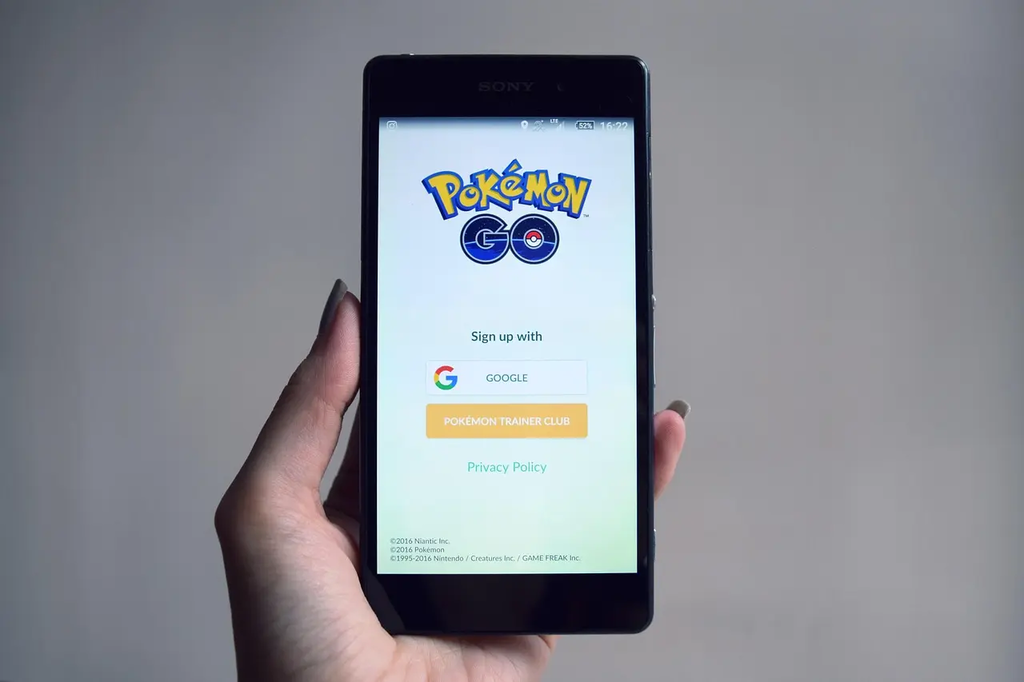
Edge computing and 5G technology together greatly enhance mobile game streaming by reducing latency and improving data transfer speeds. Edge computing processes game data closer to the user, minimizing delays, while 5G’s high bandwidth ensures smooth, real-time gameplay. This combination enables high-quality graphics and responsive controls on mobile devices, providing a console-like experience without requiring powerful local hardware, and allowing for seamless multiplayer interactions.
Edge Computing and 5G for Mobile Game Streaming
Edge computing and 5G technology together greatly enhance mobile game streaming by reducing latency and improving data transfer speeds. Edge computing processes game data closer to the user, minimizing delays, while 5G’s high bandwidth ensures smooth, real-time gameplay. This combination enables high-quality graphics and responsive controls on mobile devices, providing a console-like experience without requiring powerful local hardware, and allowing for seamless multiplayer interactions.
💡 Key Takeaways
- Understand how edge computing reduces latency by processing game data closer to the user.
- Learn how 5G's high bandwidth enables smooth, real-time gameplay for mobile game streaming.
- Compare edge-enabled streaming with traditional cloud gaming to see latency and performance gains.
- Recognize practical deployment considerations for edge + 5G gaming, including coverage, privacy, and security.
❓ Frequently Asked Questions
What is edge computing in the context of mobile gaming?
Edge computing processes game data near the player on nearby servers, reducing latency and speeding up streaming and multiplayer interactions.
How does 5G improve mobile game streaming?
5G provides higher bandwidth and lower latency, which reduces buffering and enables smoother, real-time gameplay.
Why combine edge computing with 5G for game streaming?
Edge computing lowers processing distance while 5G boosts data transfer speed, together delivering faster responses and better in-game quality.
What is latency and why does it matter for mobile games?
Latency is the delay between your input and the game’s response; lower latency means more immediate, responsive gameplay.