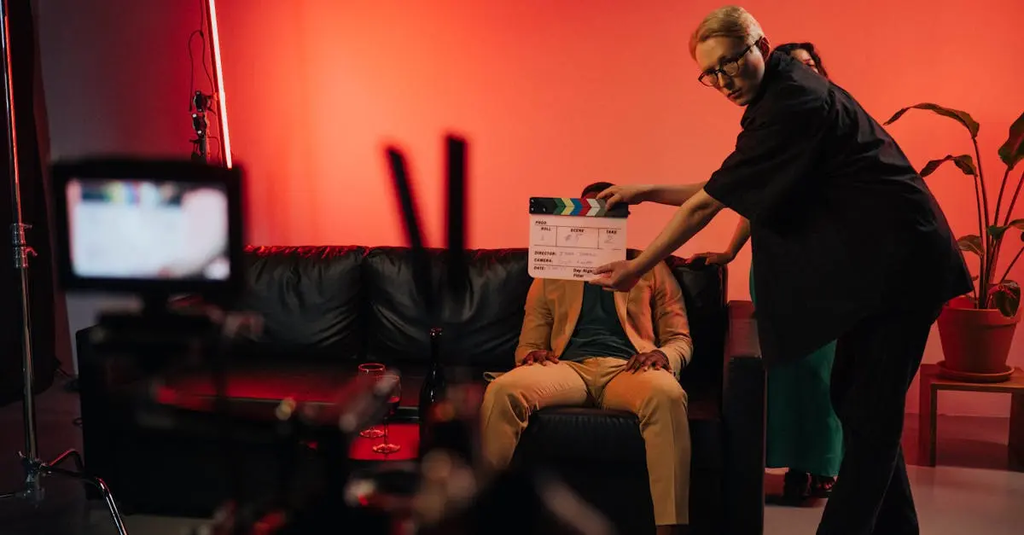
Editing & pacing techniques refer to the methods used in film, video, or content creation to arrange shots, scenes, or sequences for clarity, emotion, and rhythm. Editing involves selecting and combining footage, while pacing controls the speed and flow of the narrative. Effective techniques include cutting, transitions, timing adjustments, and manipulating shot duration to build tension, emphasize moments, and maintain audience engagement throughout the story.
Editing & Pacing Techniques
Editing & pacing techniques refer to the methods used in film, video, or content creation to arrange shots, scenes, or sequences for clarity, emotion, and rhythm. Editing involves selecting and combining footage, while pacing controls the speed and flow of the narrative. Effective techniques include cutting, transitions, timing adjustments, and manipulating shot duration to build tension, emphasize moments, and maintain audience engagement throughout the story.
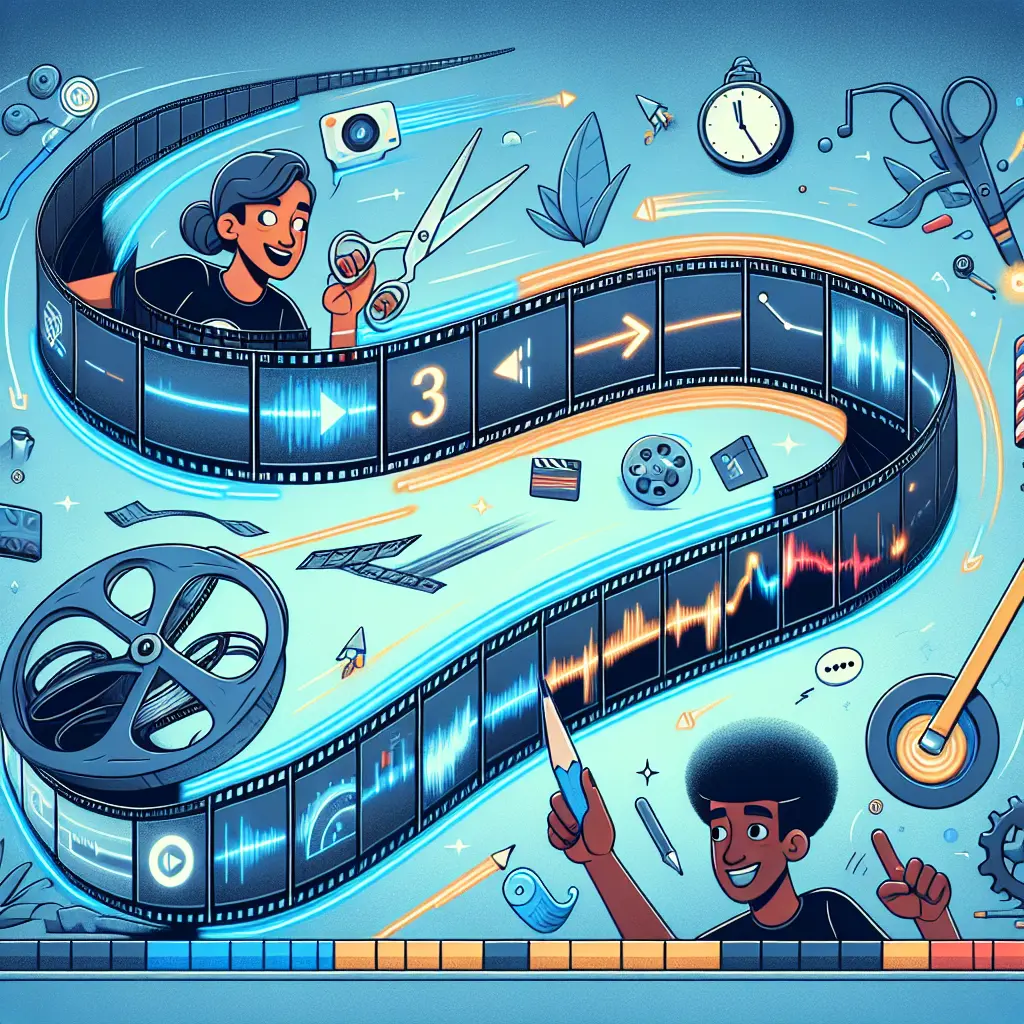
💡 Key Takeaways
- Understand how editing decisions like shot selection, ordering, and transitions shape clarity and emotional tone.
- Learn pacing techniques that control rhythm, including cut tempo, scene length, and transition styles.
- Identify common TV editing approaches (continuous/maintained continuity, montage sequences, cross-cutting, and reaction shots) and their storytelling effects.
- Apply pacing and editing to support narrative arcs, building suspense, humor, or drama across scenes and acts.
❓ Frequently Asked Questions
What is editing in television production?
Editing is the process of selecting and assembling footage from multiple shots to tell the story, maintain continuity, and control the rhythm and pace.
What is pacing and why is it important in a TV show?
Pacing is the speed and flow of scenes. It affects tension, readability, and engagement by adjusting shot length, cuts, and transitions.
What are common editing techniques used to control rhythm in TV shows?
Techniques include cut on action, match cuts, cross-cutting, jump cuts, and montages to shape tempo and emphasis.
How does editing influence mood and audience understanding?
Editing guides attention, sets emotional tone, and clarifies narrative order by choosing when and how to cut between shots.