The editorial process basics refer to the fundamental steps involved in preparing written content for publication. This process typically includes reviewing and revising the material for clarity, accuracy, and coherence. Editors check for grammatical errors, factual correctness, and adherence to style guidelines. They may also provide feedback to authors, suggest improvements, and ensure the content meets the publication’s standards before final approval and release to the intended audience.
Editorial Process Basics
The editorial process basics refer to the fundamental steps involved in preparing written content for publication. This process typically includes reviewing and revising the material for clarity, accuracy, and coherence. Editors check for grammatical errors, factual correctness, and adherence to style guidelines. They may also provide feedback to authors, suggest improvements, and ensure the content meets the publication’s standards before final approval and release to the intended audience.
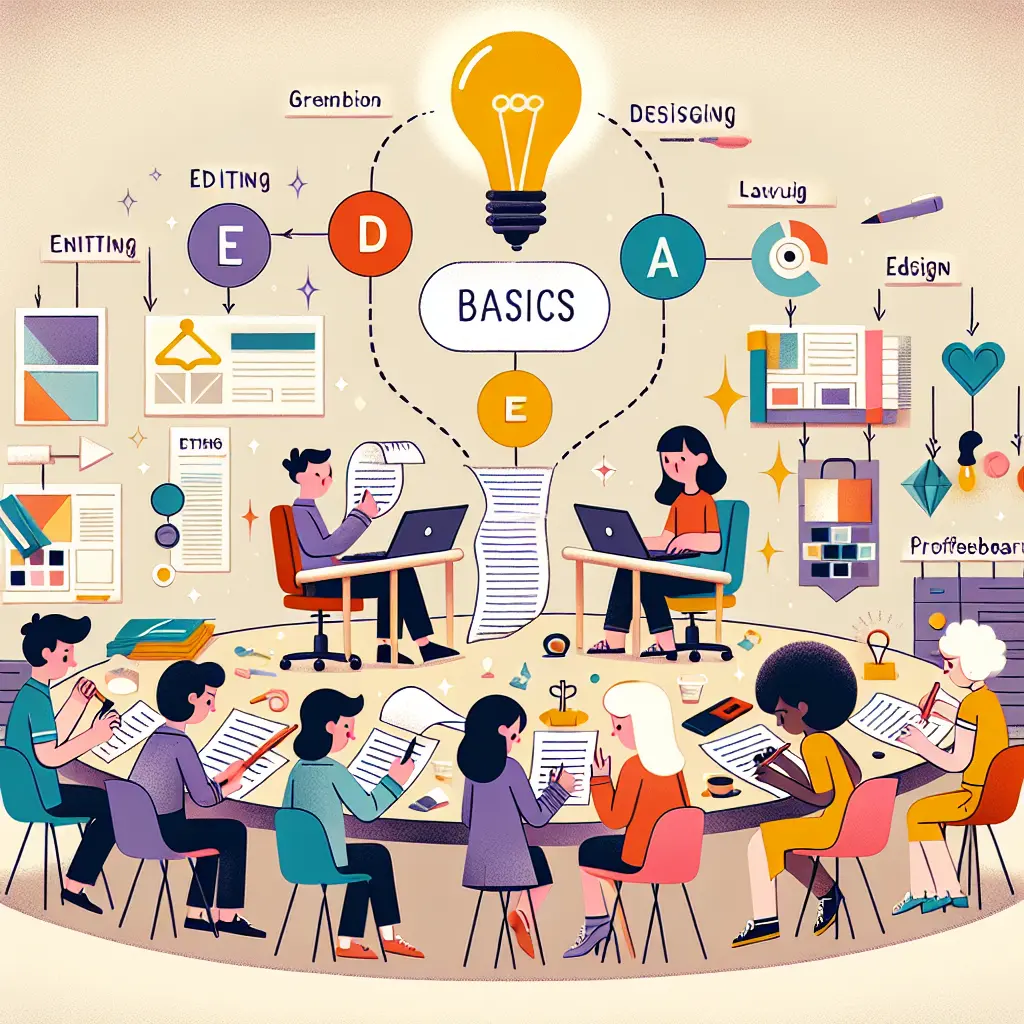
💡 Key Takeaways
- Identify the main stages of the editorial process (developmental, copyediting, and proofreading) and their purposes.
- Improve clarity, coherence, and logical flow through targeted revisions and feedback.
- Verify factual accuracy, consistency, and adherence to a chosen style guide throughout the manuscript.
- Understand how multiple revision cycles and final proofreading culminate in a ready-to-publish book.
❓ Frequently Asked Questions
What is the editorial process in books and reading?
The editorial process is the series of steps from manuscript to publication, including editing for structure, clarity, and coherence, fact-checking, copyediting, and final quality checks.
How do editors improve clarity and coherence?
They revise organization, tighten language, fix logical flow, and ensure ideas are presented in a clear, reader-friendly order.
What is the difference between content editing and copyediting?
Content editing focuses on structure, arguments, and overall quality; copyediting handles grammar, punctuation, spelling, style, and consistency.
Why is fact-checking important in publishing?
Fact-checking verifies dates, names, events, and claims to prevent misinformation and maintain credibility.
What does adhering to a style guide involve?
It means following a defined set of rules for language, formatting, citations, and typography to ensure consistency throughout the work.