Egyptian Art Essentials refers to the key characteristics and developments of ancient Egyptian art, which flourished from around 3000 BCE to 30 BCE. This art is known for its highly stylized forms, symbolic use of color, and strict conventions, often depicting gods, pharaohs, and daily life. Major movements include Old, Middle, and New Kingdoms, each contributing monumental architecture, sculpture, painting, and decorative arts that emphasized order, eternity, and the afterlife.
Egyptian Art Essentials
Egyptian Art Essentials refers to the key characteristics and developments of ancient Egyptian art, which flourished from around 3000 BCE to 30 BCE. This art is known for its highly stylized forms, symbolic use of color, and strict conventions, often depicting gods, pharaohs, and daily life. Major movements include Old, Middle, and New Kingdoms, each contributing monumental architecture, sculpture, painting, and decorative arts that emphasized order, eternity, and the afterlife.
💡 Key Takeaways
- Identify common symbols and motifs (e.g., ankh, eye of Horus, scarab) and their meanings in Egyptian art.
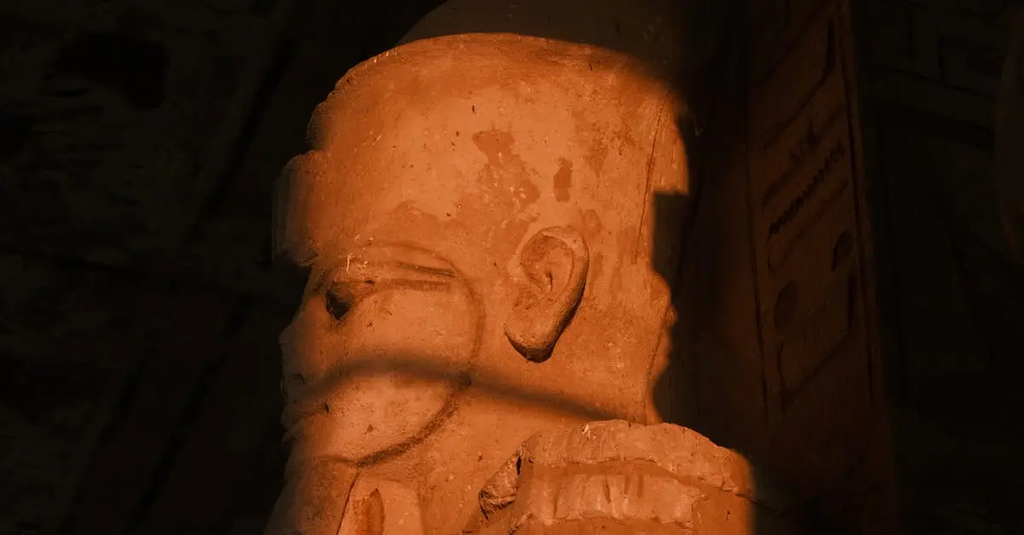
- Distinguish between sculpture, relief, and wall paintings, and name typical materials used (stone, plaster, pigments).
- Explain how Egyptian art served religious purposes and the afterlife, including tomb decoration and funerary texts.
- Compare stylistic features across major periods (Old Kingdom, Middle Kingdom, New Kingdom) and note canonical proportions and conventions.
❓ Frequently Asked Questions
What is Egyptian art primarily focused on and why?
Egyptian art centered on religion, the afterlife, and maintaining order (Ma'at). It used durable materials and standardized styles to convey permanence and aid the deceased in the afterlife.
What is the canon of proportions and how are figures depicted in Egyptian art?
The canon used a grid to keep figures in consistent proportions (often around 18 heads tall). Figures are shown in a composite view: heads and legs in profile, while eyes and shoulders face forward.
What are the main techniques and materials used in Egyptian art?
Common techniques include relief sculpture (bas-relief or sunken relief) and wall painting. Materials include limestone, granite, wood, faience, and mineral pigments for lasting works.
Which symbols commonly appear in Egyptian art and what do they mean?
Key symbols include the Ankh (life), Cartouche (royal name), Djed (stability), Was-sceptre (power/protection), and the Eye of Horus (protection/health); these convey meaning and status in scenes.