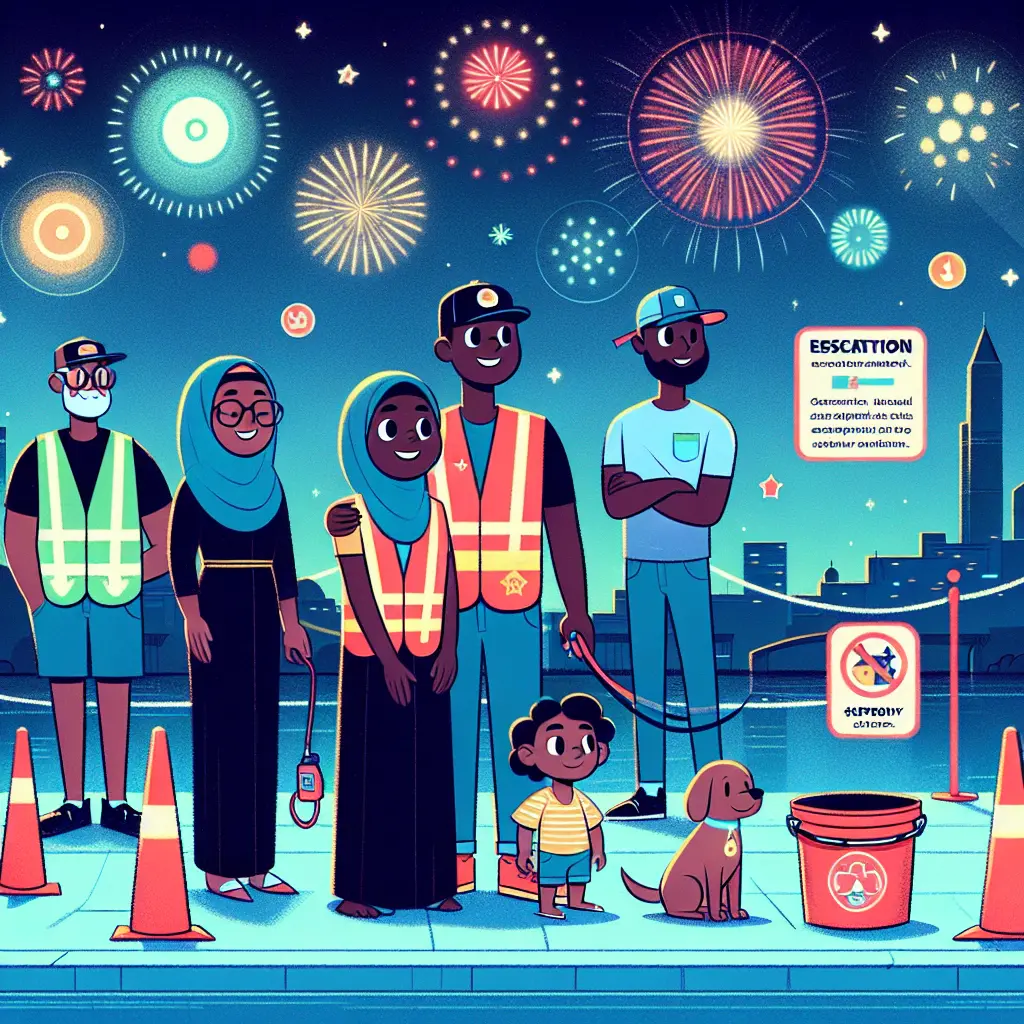
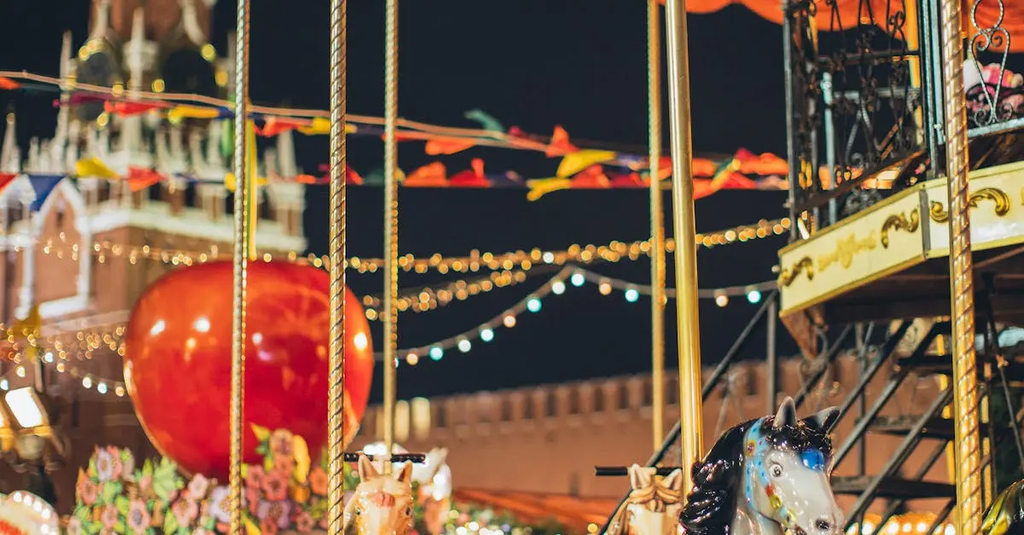
Eid is a significant religious festival celebrated by Muslims worldwide, marking the end of Ramadan (Eid al-Fitr) or the completion of the Hajj pilgrimage (Eid al-Adha). It is a time of joy, gratitude, and community, featuring special prayers, feasts, and acts of charity. Families gather, exchange gifts, and share meals, emphasizing forgiveness, unity, and compassion towards others, especially the less fortunate.
Eid+45
Eid is a significant religious festival celebrated by Muslims worldwide, marking the end of Ramadan (Eid al-Fitr) or the completion of the Hajj pilgrimage (Eid al-Adha). It is a time of joy, gratitude, and community, featuring special prayers, feasts, and acts of charity. Families gather, exchange gifts, and share meals, emphasizing forgiveness, unity, and compassion towards others, especially the less fortunate.
💡 Key Takeaways
- Understand Eid al-Fitr and Eid al-Adha, including what they commemorate.
- Learn the typical Eid customs: special prayers, festive meals, charitable acts, and family gatherings.
- Appreciate the core values of Eid—joy, gratitude, generosity, and community.
- Be aware that Eid traditions can vary by culture and country while sharing a common spirit.
❓ Frequently Asked Questions
What is Eid?
Eid is a major Muslim festival celebrated worldwide to mark either the end of Ramadan (Eid al-Fitr) or the completion of the Hajj pilgrimage (Eid al-Adha). It is a time of joy, gratitude, and community, with prayers, meals, and acts of charity.
What are the two main Eid celebrations and how do they differ?
Eid al-Fitr celebrates the end of Ramadan and focuses on gratitude and festive meals after a month of fasting; Eid al-Adha commemorates Ibrahim’s willingness to sacrifice and coincides with the Hajj, emphasizing sacrifice and sharing meat with the needy.
What are common Eid customs?
Typical customs include special prayers, wearing new clothes, visiting family and friends, sharing festive meals, exchanging greetings (Eid Mubarak), and giving charity to the needy.
Why is charity important during Eid?
Charity is central: zakat al-fitr is given before Eid al-Fitr to help the less fortunate, and during Eid al-Adha meat is distributed to the needy. Acts of generosity are encouraged throughout the celebrations.
When are Eid celebrations held?
Eid dates depend on the Islamic lunar calendar and vary by year and location. Eid al-Fitr is celebrated after Ramadan ends, while Eid al-Adha occurs during the Hajj period in Dhu al-Hijjah.