Elections and voting systems refer to the processes and methods by which a population chooses representatives or decides on policies. Elections are formal decision-making events, while voting systems are the rules and mechanisms—such as first-past-the-post, proportional representation, or ranked-choice voting—that determine how votes are cast, counted, and translated into outcomes. Together, they shape the fairness, inclusivity, and effectiveness of democratic governance.
Elections & Voting Systems
Elections and voting systems refer to the processes and methods by which a population chooses representatives or decides on policies. Elections are formal decision-making events, while voting systems are the rules and mechanisms—such as first-past-the-post, proportional representation, or ranked-choice voting—that determine how votes are cast, counted, and translated into outcomes. Together, they shape the fairness, inclusivity, and effectiveness of democratic governance.
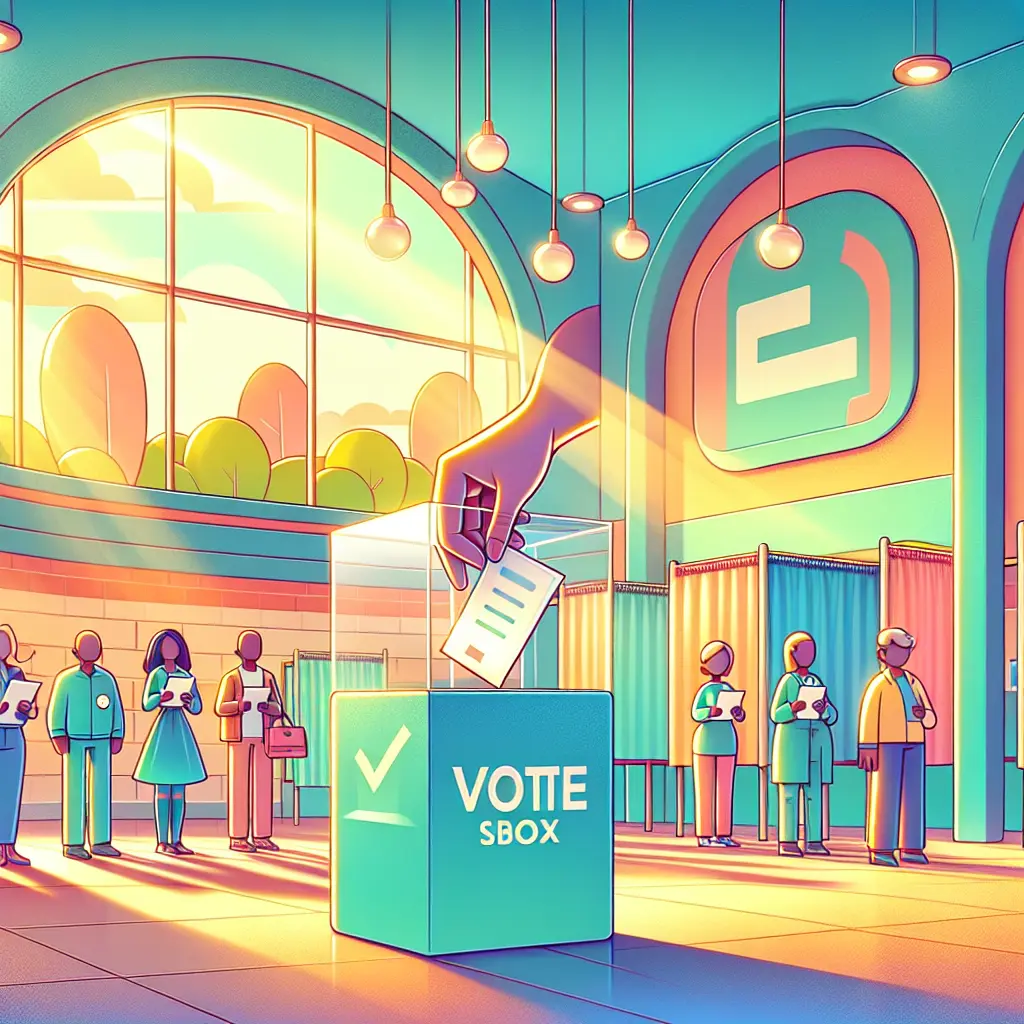
💡 Key Takeaways
- Distinguish between elections (formal decision events) and voting systems (the rules that determine outcomes).
- Identify common voting systems such as first-past-the-post, proportional representation, and ranked-choice voting.
- Explain how the choice of voting system can affect representation, party outcomes, and policy decisions.
- Understand the role of elections within legal and governmental contexts and why they confer legitimacy to governance.
❓ Frequently Asked Questions
What is the difference between elections and voting systems?
Elections are formal events where people choose representatives or decide on policies. Voting systems are the rules that determine how votes are counted and how seats or outcomes are allocated.
What does first-past-the-post mean?
Also known as a plurality system, it awards victory to the candidate with the most votes in a district, even if they don't reach a majority.
What is proportional representation?
A system that aims to match seats to the share of votes each party receives, often using multi-member districts or party lists.
What is ranked-choice voting?
Voters order candidates by preference; if no candidate has a majority, the lowest-ranked candidates are eliminated and their ballots redistributed until a candidate wins.