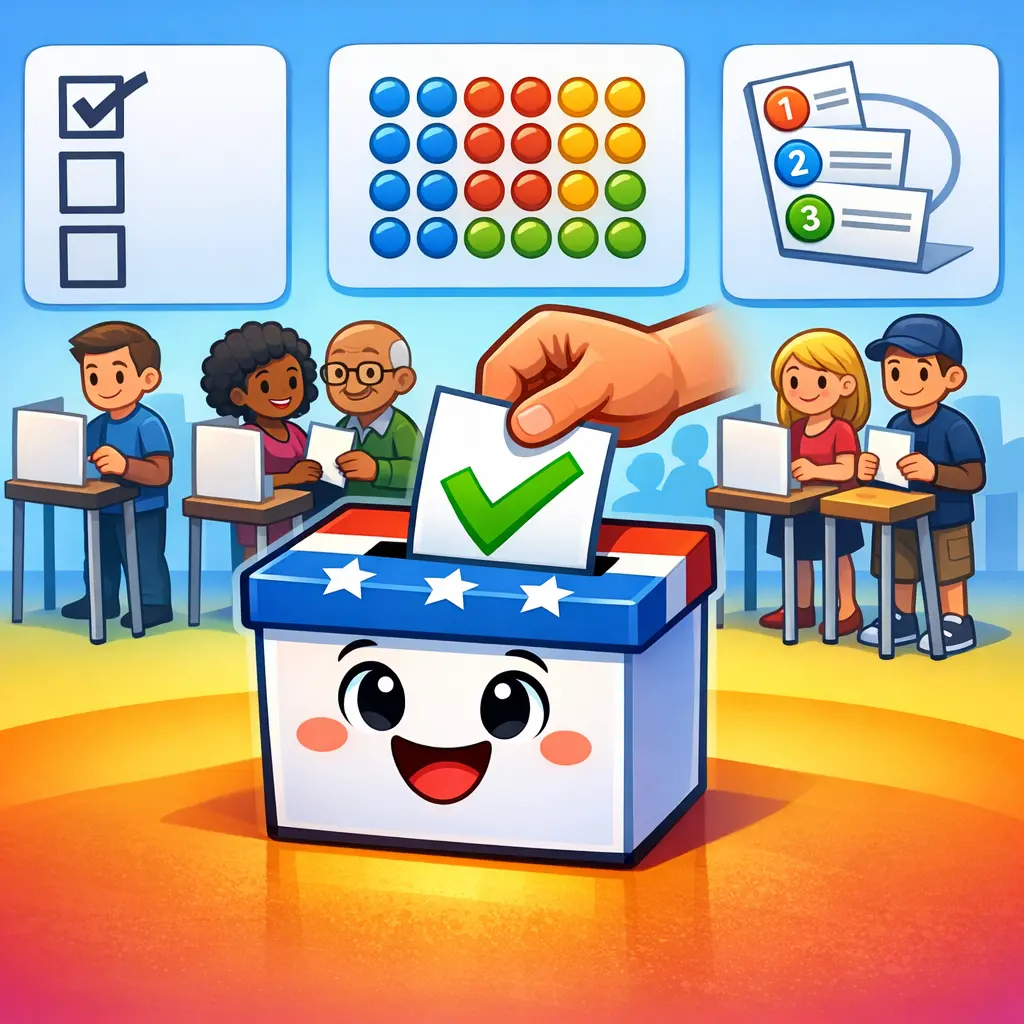
Electoral systems and voting basics refer to the legal and procedural frameworks governing how votes are cast, counted, and translated into political representation. These systems determine how government officials are elected and can include methods like first-past-the-post, proportional representation, and ranked-choice voting. Understanding these basics is essential for public service, as they ensure fair, transparent, and effective participation in democratic processes, shaping how laws and leaders are chosen within a society.
Electoral Systems & Voting Basics
Electoral systems and voting basics refer to the legal and procedural frameworks governing how votes are cast, counted, and translated into political representation. These systems determine how government officials are elected and can include methods like first-past-the-post, proportional representation, and ranked-choice voting. Understanding these basics is essential for public service, as they ensure fair, transparent, and effective participation in democratic processes, shaping how laws and leaders are chosen within a society.
💡 Key Takeaways
- Identify and compare major electoral systems (majoritarian, proportional, mixed) and how votes convert to seats.
- Explain common voting methods (first-past-the-post, ranked-choice) and their impact on outcomes.
- Define key terms such as ballot, turnout, and franchise, and why they matter for representation.
- Understand how electoral systems influence party competition and policy outcomes.
- Recognize fairness issues like gerrymandering and voting accessibility.
❓ Frequently Asked Questions
What is an electoral system?
The set of rules that determine how votes are counted and how seats or outcomes are allocated in elections.
What is first-past-the-post (plurality) voting?
In a district, the candidate with the most votes wins the seat, even if they do not achieve an absolute majority.
What is proportional representation (PR)?
Seats are allocated roughly in proportion to each party's share of the overall vote, often leading to multi-party legislatures.
What is ranked-choice voting (instant runoff)?
Voters rank candidates; if no one has a majority, the lowest-ranked are eliminated and their votes go to the next choices until a candidate secures a majority.
What is a runoff election?
If no candidate reaches the required majority, a second election is held between the top candidates to determine the winner.