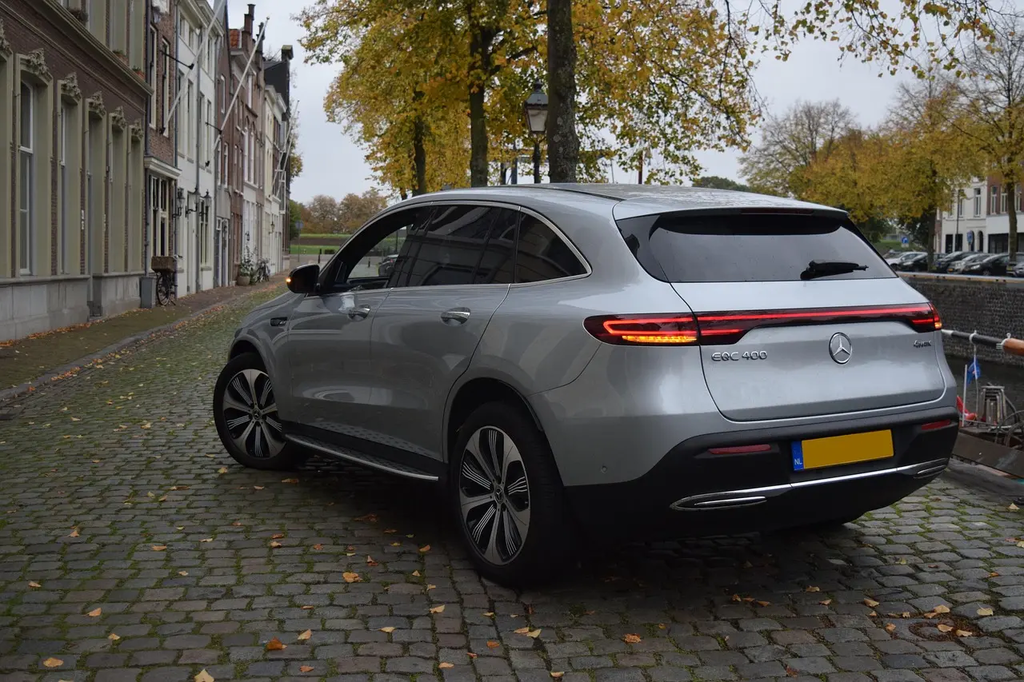
Electric vehicles (EVs) are automobiles powered by electricity, typically stored in rechargeable batteries, rather than traditional internal combustion engines that use gasoline or diesel. They offer a cleaner alternative to conventional vehicles by producing zero tailpipe emissions, contributing to reduced air pollution and greenhouse gases. EVs are known for their quiet operation, lower maintenance needs, and increasing driving ranges as battery technology improves, making them an increasingly popular choice for sustainable transportation.
Electric Vehicles+50
Electric vehicles (EVs) are automobiles powered by electricity, typically stored in rechargeable batteries, rather than traditional internal combustion engines that use gasoline or diesel. They offer a cleaner alternative to conventional vehicles by producing zero tailpipe emissions, contributing to reduced air pollution and greenhouse gases. EVs are known for their quiet operation, lower maintenance needs, and increasing driving ranges as battery technology improves, making them an increasingly popular choice for sustainable transportation.
💡 Key Takeaways
- What powers EVs: electricity stored in rechargeable batteries driving an electric motor
- How EVs differ from internal combustion engine vehicles: no tailpipe emissions
- How charging works: home and public charging options and factors that affect range and charging time
- Environmental and economic benefits of EVs: lower emissions over life-cycle and potential fuel savings
❓ Frequently Asked Questions
What is an electric vehicle (EV)?
An automobile powered by electricity stored in rechargeable batteries, rather than an internal combustion engine that runs on gasoline or diesel.
Do EVs produce tailpipe emissions?
No. EVs have zero tailpipe emissions; any emissions depend on how the electricity used to charge them is generated.
How are EVs charged and what are common charging options?
EVs are charged from the electric grid using chargers. Common options include Level 1 (120V), Level 2 (240V), and DC fast charging, with varying charging times.
What about battery life and driving range in EVs?
EVs rely on rechargeable batteries that provide the driving range per charge. Modern EVs typically offer 150–400+ miles per charge, with warranties on battery longevity.