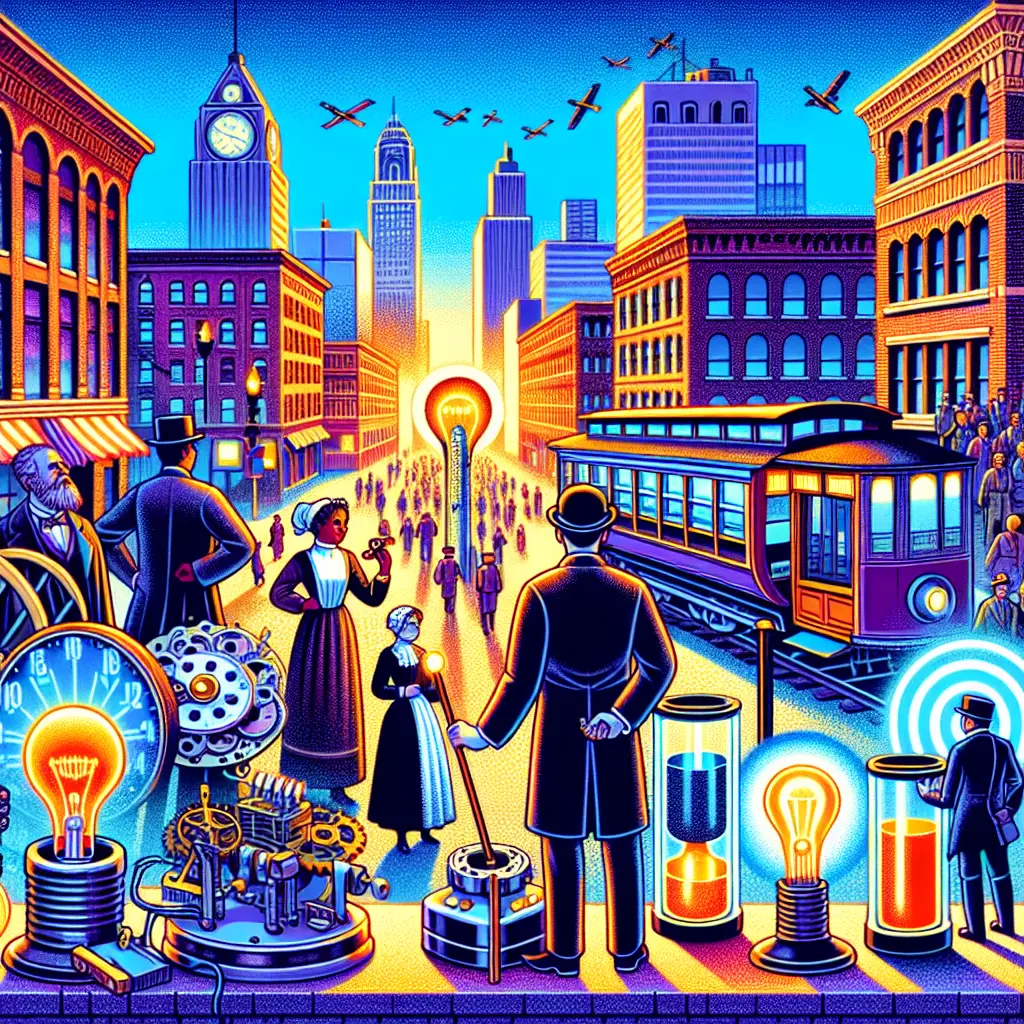
Electrification refers to the increasing use of electricity to power sectors traditionally reliant on fossil fuels, such as transportation and heating. In the U.S., this shift places new demands on the power grid, requiring upgrades to infrastructure, expanded renewable energy integration, and enhanced grid management. Modernizing the grid is essential to support reliable, efficient electricity delivery and to achieve national goals for decarbonization and sustainability amid growing electrification trends.
Electrification and the U.S. Power Grid
Electrification refers to the increasing use of electricity to power sectors traditionally reliant on fossil fuels, such as transportation and heating. In the U.S., this shift places new demands on the power grid, requiring upgrades to infrastructure, expanded renewable energy integration, and enhanced grid management. Modernizing the grid is essential to support reliable, efficient electricity delivery and to achieve national goals for decarbonization and sustainability amid growing electrification trends.
💡 Key Takeaways
- Understand what electrification means for transportation, heating, and other sectors traditionally powered by fossil fuels.
- Identify the key upgrades the U.S. power grid needs to handle higher electricity demand and ensure reliability.
- Explain how renewable energy, storage, and grid modernization work together to enable a cleaner, more resilient electric system.
- Discuss policy, innovation, and consumer implications of electrification, including costs, emissions, and infrastructure investments.
❓ Frequently Asked Questions
What is electrification in the context of the U.S. power grid?
Electrification means using electricity to power sectors that historically relied on fossil fuels, such as transportation and heating.
Why does electrification require upgrades to the power grid?
Because rising electricity demand from EVs and heat pumps increases load on transmission and distribution systems, requiring upgrades to maintain reliability and resilience.
What grid upgrades support electrification and renewable energy integration?
Upgrades include stronger transmission lines, modern substations, advanced grid monitoring and controls (smart grids), energy storage, and programs for demand response.
What role do American innovations and inventors play in this shift?
Innovations in grid technology, energy storage, power electronics, and efficient electric devices by American inventors help enable electrification while improving reliability and reducing costs.
How does electrification interact with renewable energy on the grid?
Electrification increases demand for clean power, so the grid must effectively integrate more renewables, using storage and flexible resources to balance variability.