Electrolytes are minerals like sodium, potassium, and magnesium that help regulate fluid balance, nerve function, and muscle health in the body. Staying hydrated by drinking enough water and consuming electrolyte-rich foods, such as bananas, coconut water, and leafy greens, supports overall well-being. Developing healthy habits that prioritize hydration and include superfoods high in electrolytes can enhance energy levels, improve physical performance, and promote optimal bodily functions.
Electrolytes and Hydration
Electrolytes are minerals like sodium, potassium, and magnesium that help regulate fluid balance, nerve function, and muscle health in the body. Staying hydrated by drinking enough water and consuming electrolyte-rich foods, such as bananas, coconut water, and leafy greens, supports overall well-being. Developing healthy habits that prioritize hydration and include superfoods high in electrolytes can enhance energy levels, improve physical performance, and promote optimal bodily functions.
💡 Key Takeaways
- Understand the roles of key electrolytes (sodium, potassium, chloride, magnesium) in hydration, nerve signaling, and muscle function.
- Learn how hydration is influenced by fluid intake, sweat rate, and body osmolality.
- Know when to reach for water, sports drinks, or oral rehydration solutions to rehydrate effectively.
- Identify signs of dehydration and electrolyte imbalance and simple steps to restore balance.
❓ Frequently Asked Questions
What are electrolytes and why do they matter for hydration?
Electrolytes are minerals with electrical charges (such as sodium, potassium, chloride, calcium, and magnesium) that help regulate fluid balance, nerve signals, and muscle function. They are lost in sweat, so hydration often requires both water and electrolytes.
How can I tell if I need electrolytes versus plain water?
For everyday activity, water is usually enough. If you’re sweating heavily, exercising for long periods, or dealing with illness that causes vomiting or diarrhea, you may need electrolytes to replace losses. Look for cramps, dizziness, or fatigue as potential signs of imbalance.
What are common sources of electrolytes in foods and drinks?
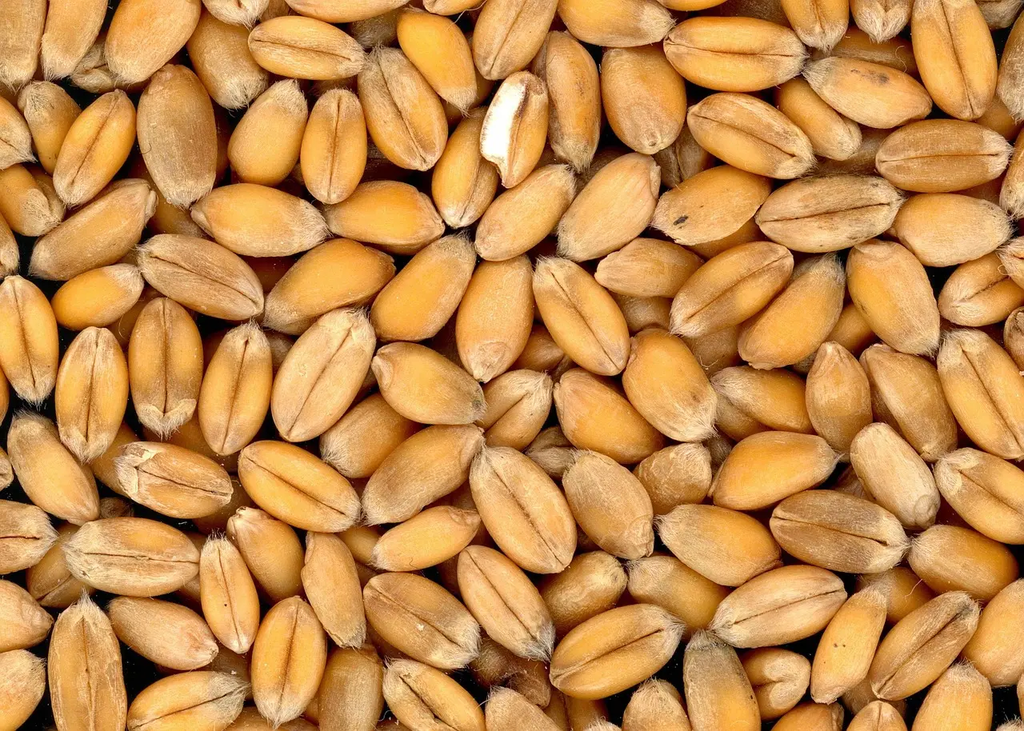
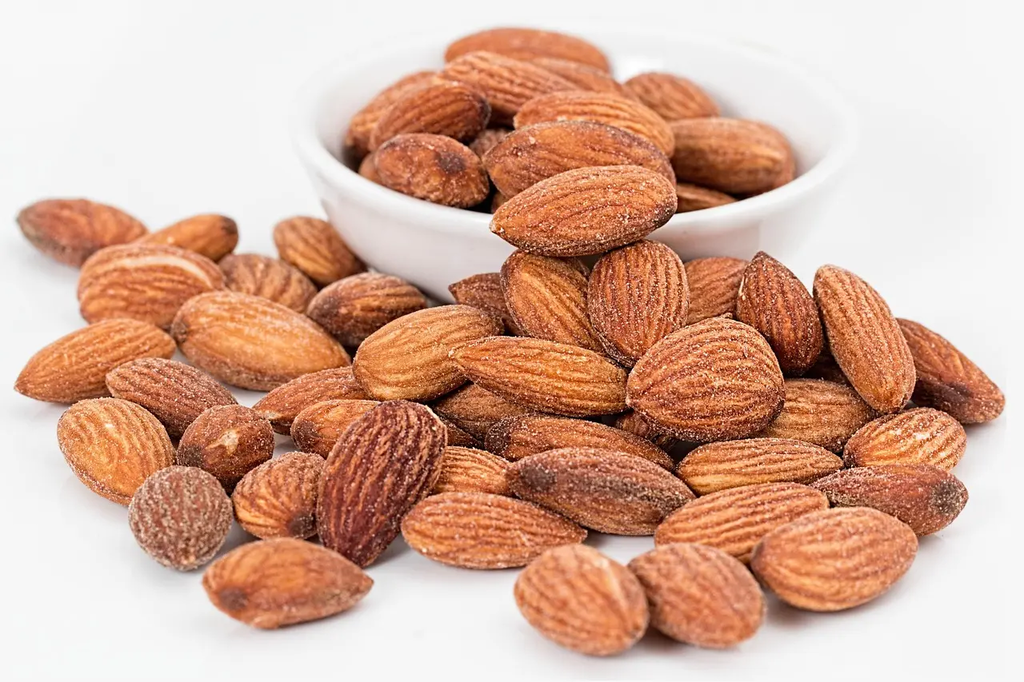
Sodium and chloride come from salted foods; potassium from bananas, potatoes, and citrus; calcium from dairy; magnesium from nuts and whole grains. Sports drinks and coconut water can also provide electrolytes.
When should I use electrolyte drinks and what should I check on the label?
Use electrolyte drinks for prolonged or intense sweating, heat exposure, or gastro illness. Check the label for sodium content (often 300–700 mg per liter in sports drinks), potassium, and how much added sugar is present.
What are common signs of dehydration or electrolyte imbalance?
Dehydration signs include thirst, dry mouth, dark urine, and fatigue. Imbalances may cause muscle cramps, dizziness, confusion, or in severe cases, abnormal heart rhythms.