Electronic & Dance refers to a genre of music characterized by synthesized sounds, rhythmic beats, and energetic tempos designed for dancing. It often features electronic instruments, digital production, and repetitive patterns that create a lively, immersive atmosphere. Popular in clubs and festivals, this genre includes various substyles like house, techno, trance, and EDM, each offering unique rhythms and moods, making it a staple for party and nightlife culture worldwide.
Electronic & Dance
Electronic & Dance refers to a genre of music characterized by synthesized sounds, rhythmic beats, and energetic tempos designed for dancing. It often features electronic instruments, digital production, and repetitive patterns that create a lively, immersive atmosphere. Popular in clubs and festivals, this genre includes various substyles like house, techno, trance, and EDM, each offering unique rhythms and moods, making it a staple for party and nightlife culture worldwide.
💡 Key Takeaways
- Identify the defining elements of electronic and dance music (synthesized sounds, rhythmic beats, and energetic tempos).
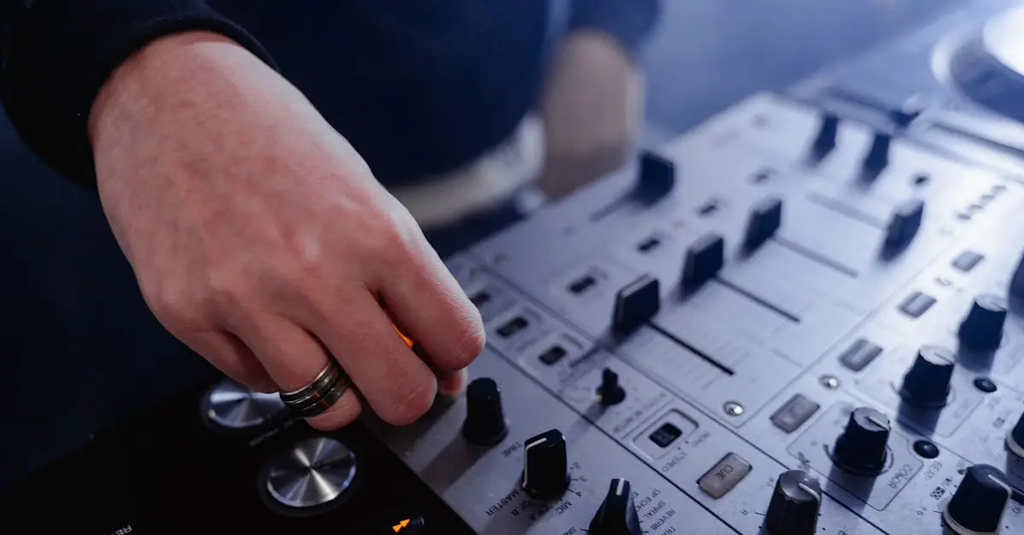
- Name common production tools and techniques (synthesizers, drum machines, DAWs, and DJ software).
- Understand the roles of DJs, producers, and performers in clubs and festivals.
- Trace the evolution of electronic dance music across eras, styles, and landmark artists and events.
- Recognize how EDM creates immersive club and festival atmospheres through repetition, build-ups, and drops.
❓ Frequently Asked Questions
What is Electronic Dance Music (EDM) and how is it typically created?
EDM is a genre built on synthesized sounds and electronic instruments, with digitally produced tracks designed for dancing. Producers use synthesizers, drum machines, and software to craft rhythm, bass, and melodies.
What is a 'drop' in EDM?
The drop is the moment after a build-up when the main bassline or melody returns, creating a high-energy moment that makes people dance.
What does BPM stand for and why is it important in EDM?
BPM stands for beats per minute; it measures a track’s tempo and helps DJs mix songs smoothly and maintain energy levels across a set.
Name some common EDM subgenres.
Common subgenres include house, techno, trance, dubstep, drum and bass, electro, and ambient.
Which celebrities are well-known in the EDM scene?
Notable EDM artists include Calvin Harris, Tiësto, David Guetta, Deadmau5, and Skrillex.