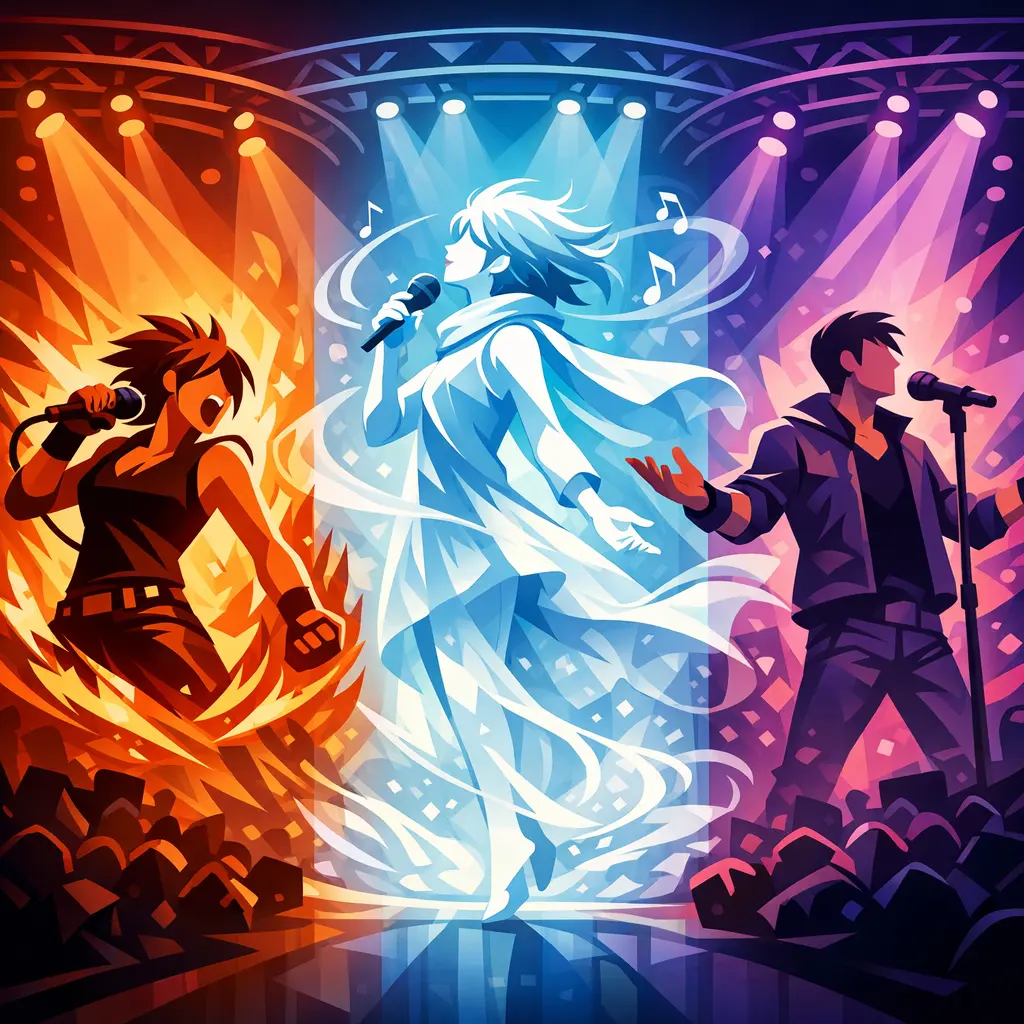
Electronic Music Production Basics refers to the foundational techniques and knowledge needed to create music using electronic devices and software. This includes understanding digital audio workstations (DAWs), synthesizers, drum machines, and audio effects. It covers composing, arranging, recording, editing, and mixing tracks. In the context of performing arts and music, these skills enable artists to produce, perform, and innovate with electronic sounds, blending technology with musical creativity for live or recorded performances.
Electronic Music Production Basics
Electronic Music Production Basics refers to the foundational techniques and knowledge needed to create music using electronic devices and software. This includes understanding digital audio workstations (DAWs), synthesizers, drum machines, and audio effects. It covers composing, arranging, recording, editing, and mixing tracks. In the context of performing arts and music, these skills enable artists to produce, perform, and innovate with electronic sounds, blending technology with musical creativity for live or recorded performances.
💡 Key Takeaways
- Understand the typical workflow of electronic music production—from idea to finished track.
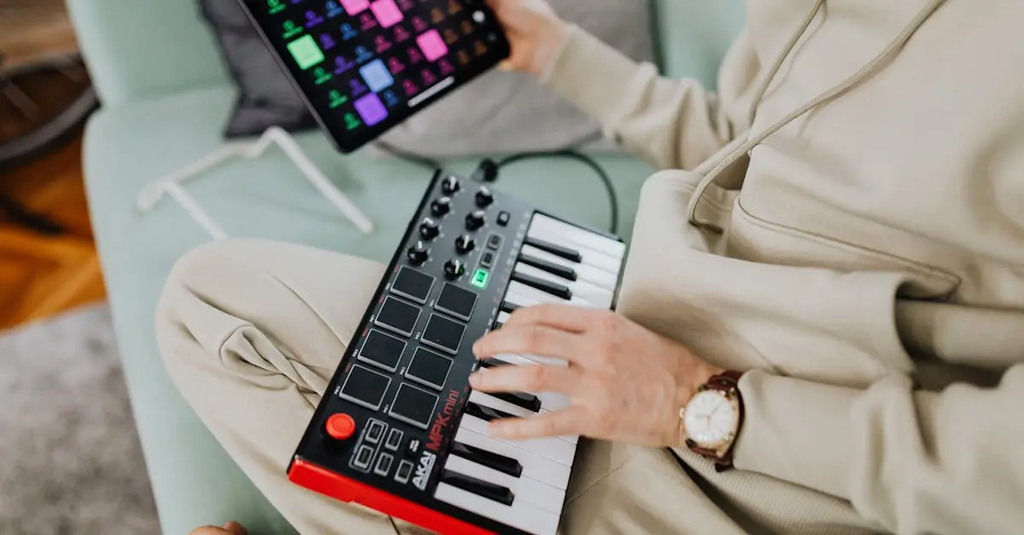
- Identify essential gear and software (DAW, MIDI controllers, synths, and samples) and how to set up a basic project.
- Learn core building blocks: tempo, rhythm, groove, and common song structures (intro, build, drop, outro).
- Get a foundation in basic sound design and mixing concepts (synthesis basics, using samples, EQ, and level balance).
❓ Frequently Asked Questions
What is electronic music production?
The process of creating music using electronic tools (DAWs, synthesizers, samplers, and effects) including composing, recording, editing, arranging, and mixing.
What is a DAW and why is it central to production?
A Digital Audio Workstation is software for recording, editing, arranging, and mixing music; it provides the timeline, tracks, virtual instruments, effects, and a mixer.
What is MIDI and why is it important?
MIDI is a protocol that carries performance data (notes, velocity, timing) to control virtual instruments or hardware without carrying audio, enabling flexible editing and orchestration.
What is the difference between a synthesizer and a sampler?
A synthesizer generates sound electronically via oscillators, filters, and envelopes; a sampler plays back recorded audio samples; many tools combine both.
What is gain staging and why does it matter?
Gain staging is setting appropriate levels at every stage of the signal path to maximize headroom and minimize distortion, helping a clean, loud mix.