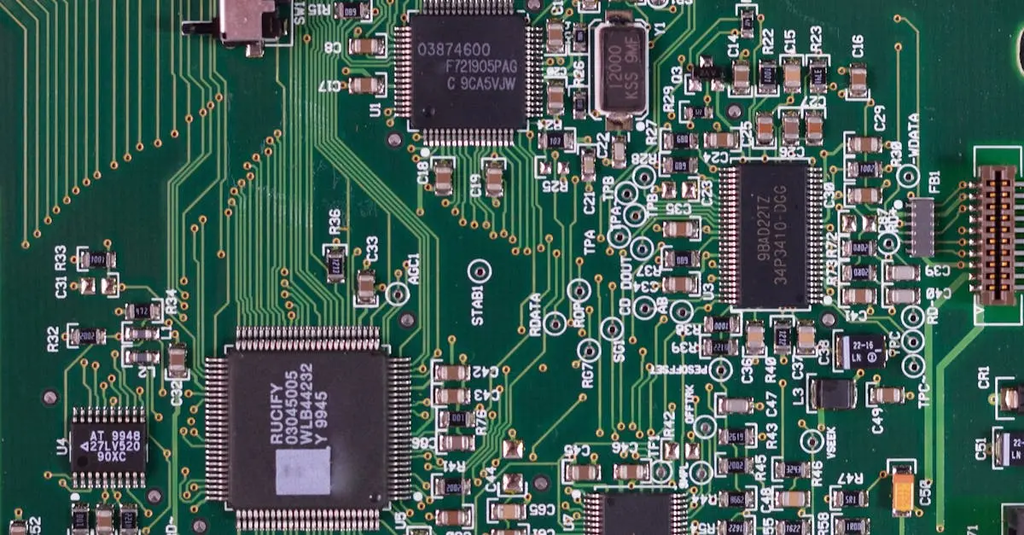
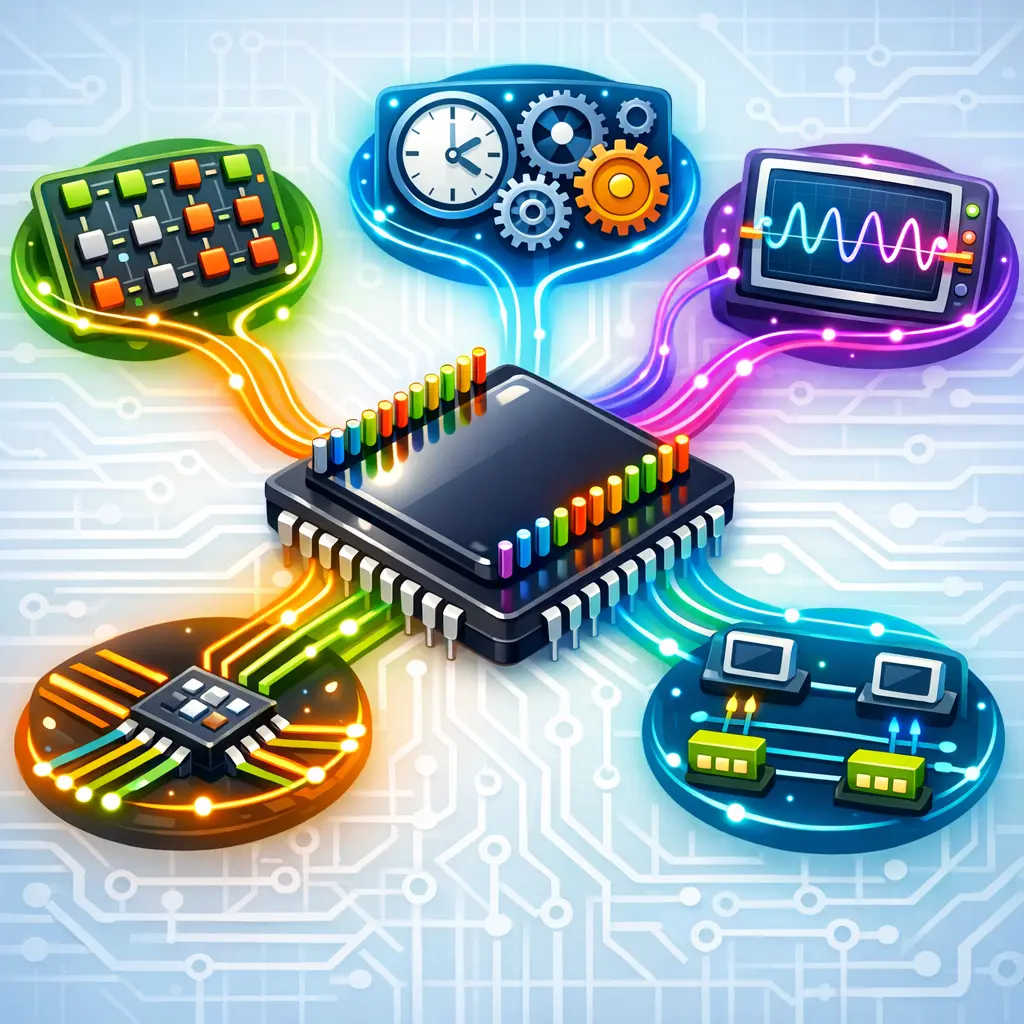
Embedded systems are specialized computing units integrated into everyday devices, enabling them to perform dedicated functions efficiently. Found in appliances, vehicles, smartphones, and industrial machines, these systems use digital electronics and computing to automate processes, improve performance, and enhance user experiences. Their presence in daily life increases convenience, safety, and connectivity, making modern technology more intelligent and responsive to human needs.
Embedded Systems in Everyday Life+50
Embedded systems are specialized computing units integrated into everyday devices, enabling them to perform dedicated functions efficiently. Found in appliances, vehicles, smartphones, and industrial machines, these systems use digital electronics and computing to automate processes, improve performance, and enhance user experiences. Their presence in daily life increases convenience, safety, and connectivity, making modern technology more intelligent and responsive to human needs.

💡 Key Takeaways
- Define an embedded system and its typical role in devices
- How sensors, actuators, and firmware let everyday gadgets respond to the world
- Key design constraints: power, cost, real-time performance, and reliability
- Real-world examples: smartphones, cars, appliances, wearables, and IoT devices
❓ Frequently Asked Questions
What is an embedded system?
A specialized computer designed to perform a dedicated function inside a larger device, often with limited processing power, memory, and energy.
How do embedded systems differ from general-purpose computers?
They are task-focused, integrated into products, use fewer resources, and run fixed-function software rather than broad, multi-purpose programs.
Where are embedded systems found in daily life?
In devices like smartphones, washing machines, refrigerators, cars, wearables, medical devices, printers, cameras, and smart home gadgets.
What’s the difference between a microcontroller and a microprocessor in embedded systems?
A microcontroller includes CPU, memory, and peripherals on one chip for simple tasks; a microprocessor is a more powerful CPU that needs external memory and components for larger tasks.
What is a real-time operating system (RTOS) and why is it used in embedded systems?
An RTOS provides predictable task timing to meet strict deadlines, which is essential for safety-critical or time-sensitive applications.