Emergency communications and signaling refer to the methods and systems used to transmit urgent information during crises or hazardous situations. These processes ensure that warnings, instructions, or alerts reach people quickly and effectively, enabling timely responses and coordination. They may include alarms, sirens, radio broadcasts, public address systems, and digital notifications, all designed to facilitate safety, prevent confusion, and guide individuals or groups to take appropriate actions in emergencies.
Emergency Communications and Signaling
Emergency communications and signaling refer to the methods and systems used to transmit urgent information during crises or hazardous situations. These processes ensure that warnings, instructions, or alerts reach people quickly and effectively, enabling timely responses and coordination. They may include alarms, sirens, radio broadcasts, public address systems, and digital notifications, all designed to facilitate safety, prevent confusion, and guide individuals or groups to take appropriate actions in emergencies.
💡 Key Takeaways
- Identify common emergency signaling methods used in adventure settings (radios, satellite devices, beacons, flares, and visual/audible signals) and when to use each.
- Learn how to interpret distress signals from people and devices, and the steps to verify and relay warnings to responders.
- Develop a pre-activity communication plan including roles, check-ins, and emergency contact procedures for remote or extreme environments.
- Practice implementing signaling procedures during emergencies, including initiating distress calls (e.g., MAYDAY), establishing rendezvous points, and coordinating with authorities.
❓ Frequently Asked Questions
What is emergency communications and signaling in adventure contexts?
Emergency communications and signaling are the methods and systems used to transmit urgent information during crises in outdoor or hazardous environments, ensuring warnings, instructions, and alerts reach people quickly to enable a timely response.
What are common emergency communication tools for remote or extreme environments?
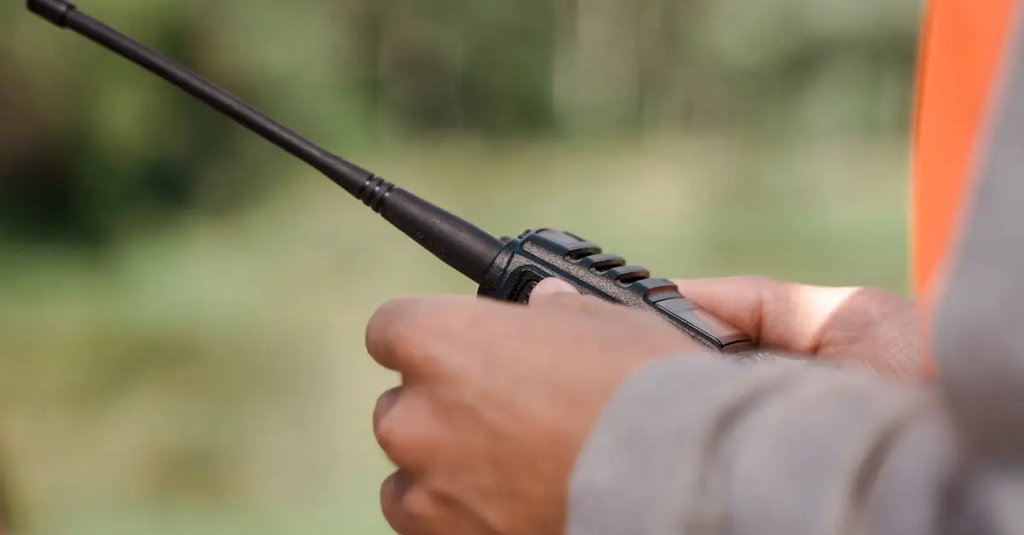
Tools include personal locator beacons (PLBs) or satellite messengers, two-way radios, mobile phones where coverage exists, and signaling devices such as whistles, mirrors, flares, or signal fires. Use multiple methods when possible.
How are distress signals recognized and used internationally?
Mayday is the voice radio distress call; SOS is a Morse code distress signal; three short blasts of a whistle or horn (repeated at intervals) can signal distress in the field. Use your devices to transmit location and details.
What should be included in a pre-adventure emergency signaling plan?
Know your devices and backup options, share the plan with someone, have emergency contacts and locations, set check-in times, outline signaling procedures, and practice using the gear before you go.