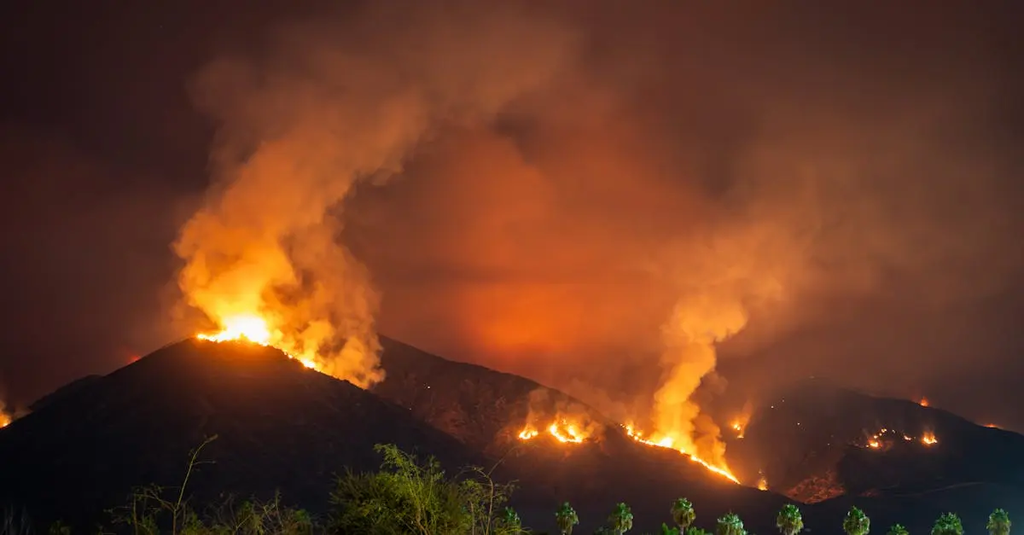
The Emergency Management Assistance Compact (EMAC) is a national mutual aid agreement among U.S. states and territories, enabling them to share resources, personnel, and equipment during disasters and emergencies. Mutual aid refers to the broader practice of jurisdictions supporting each other through the provision of assistance and resources in times of crisis. Together, EMAC and mutual aid facilitate rapid, coordinated, and efficient disaster response across state and local boundaries.
Emergency Management Assistance Compact (EMAC) and Mutual Aid
The Emergency Management Assistance Compact (EMAC) is a national mutual aid agreement among U.S. states and territories, enabling them to share resources, personnel, and equipment during disasters and emergencies. Mutual aid refers to the broader practice of jurisdictions supporting each other through the provision of assistance and resources in times of crisis. Together, EMAC and mutual aid facilitate rapid, coordinated, and efficient disaster response across state and local boundaries.

💡 Key Takeaways
- Understand EMAC as the national mutual aid framework that coordinates disaster response among states and territories.
- Learn how EMAC enables rapid sharing of resources, personnel, and equipment across jurisdictions during emergencies.
- Explain the activation, deployment, and reimbursement processes that govern EMAC-assisted responses.
- Recognize how EMAC differs from broader mutual aid arrangements in terms of governance, liability, and cost-sharing.
- Identify common EMAC-supported resources and scenarios, such as trained personnel, equipment, and weather- or natural-disaster events.
❓ Frequently Asked Questions
What is EMAC?
The Emergency Management Assistance Compact is a legally binding agreement among U.S. states and territories that enables rapid mutual aid by sharing resources, personnel, and equipment during disasters.
How does EMAC work in a disaster?
A requesting state activates EMAC to obtain help from other states. The sending state deploys pre‑approved resources; responders remain under their home state’s authority, and reimbursement arrangements are made between states after the mission.
What resources can be shared under EMAC?
EMAC allows sharing of personnel, equipment, and materials such as teams, medical staff, aircraft, generators, and other emergency supplies.
Who pays for EMAC deployments and what protections exist for responders?
Typically the requesting state covers deployment costs. EMAC also provides liability protection and workers’ compensation coverage for deployed personnel through the sending state.
Does EMAC apply to U.S. territories, and how is it different from informal mutual aid?
Yes. EMAC includes states and territories and offers a formal, pre‑established process with standardized procedures, liability coverage, and clear reimbursement, unlike informal mutual aid.