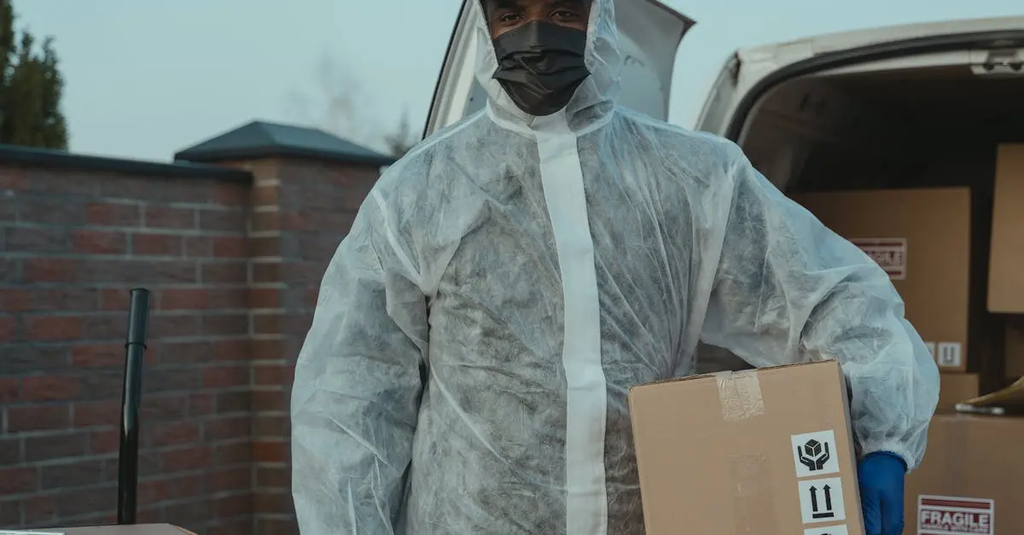
Emergency Response & First Aid for Security involves the immediate actions taken by security personnel during accidents, medical emergencies, or critical incidents. It includes assessing situations, providing basic first aid such as CPR, controlling bleeding, treating shock, and ensuring the safety of victims until professional medical help arrives. Security staff are often trained to respond quickly, manage crowds, and communicate effectively with emergency services, playing a crucial role in minimizing harm and saving lives during emergencies.
Emergency Response & First Aid for Security
Emergency Response & First Aid for Security involves the immediate actions taken by security personnel during accidents, medical emergencies, or critical incidents. It includes assessing situations, providing basic first aid such as CPR, controlling bleeding, treating shock, and ensuring the safety of victims until professional medical help arrives. Security staff are often trained to respond quickly, manage crowds, and communicate effectively with emergency services, playing a crucial role in minimizing harm and saving lives during emergencies.

💡 Key Takeaways
- Conduct a quick safety assessment of the scene to protect yourself and others.
- Recognize medical emergencies and know when and how to call emergency services with essential details.
- Demonstrate essential first aid skills within your training: CPR, bleeding control, and recognizing and responding to shock.
- Secure the scene, use basic first aid supplies, and document the incident for handoff to responders.
❓ Frequently Asked Questions
What is Emergency Response & First Aid for Security?
It covers the immediate actions security personnel take during accidents, medical emergencies, or critical incidents to protect people, assess hazards, alert authorities, provide initial care within their training, and help stabilize the scene.
What should you do first when you encounter an on-site emergency?
Ensure the area is safe, check if the person is responsive, call emergency services, and begin appropriate first aid if trained while waiting for help.
What are common basic actions you might perform as a security officer in first aid?
Assess and monitor the casualty, control severe bleeding, perform CPR if trained and necessary, treat for shock (keep the person warm), and coordinate with EMS for a safe handover.
When should you call emergency services and what information should you provide?
Call immediately for life-threatening or serious conditions (unconsciousness, chest pain, trouble breathing, severe bleeding). Provide location, nature of the incident, number of people involved, and the casualty's condition.