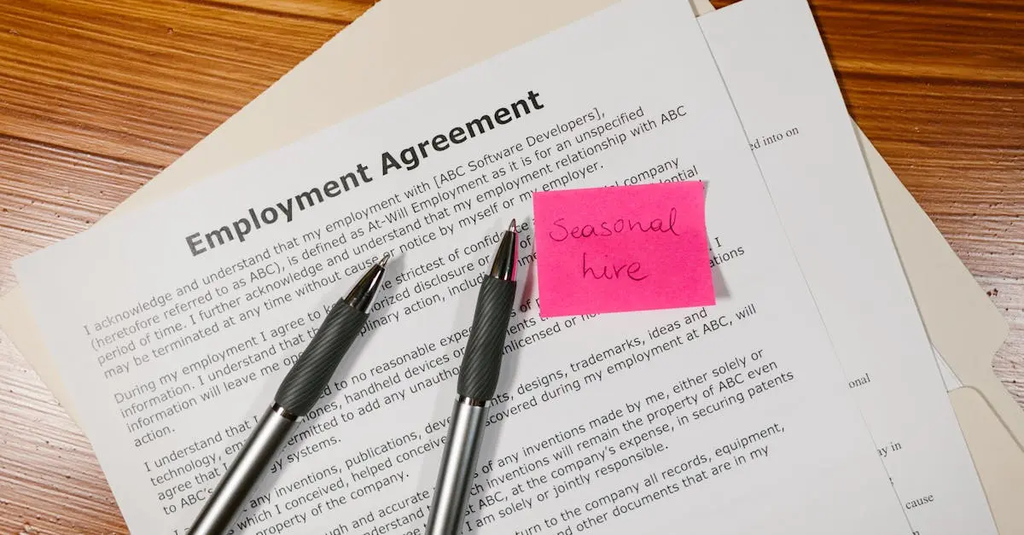
Employment contracts and policies are formal agreements and guidelines established between employers and employees. Employment contracts outline the terms of employment, such as job responsibilities, compensation, benefits, and conditions for termination. Policies provide rules and procedures regarding workplace behavior, attendance, leave, and other organizational expectations. Together, these documents help protect the rights of both parties, ensure compliance with labor laws, and promote a clear, consistent work environment.
Employment Contracts & Policies
Employment contracts and policies are formal agreements and guidelines established between employers and employees. Employment contracts outline the terms of employment, such as job responsibilities, compensation, benefits, and conditions for termination. Policies provide rules and procedures regarding workplace behavior, attendance, leave, and other organizational expectations. Together, these documents help protect the rights of both parties, ensure compliance with labor laws, and promote a clear, consistent work environment.
💡 Key Takeaways
- Identify the typical components of an employment contract (duties, compensation, start date, termination, and any confidentiality or non-disclosure terms).
- Understand how company policies (code of conduct, leave, safety, harassment, privacy) govern daily work and interact with contract terms.
- Explain at-will versus fixed-term or probationary contracts and what each means for notice, renewals, and termination rights.
- Know how to review and negotiate terms before signing, including negotiable items like salary, benefits, and notice periods, and what questions to ask.
- Learn the process for updates to contracts and policies, and how to resolve disputes or seek clarification.
❓ Frequently Asked Questions
What is an employment contract?
A written agreement that outlines your role, pay, benefits, start date, duration (if any), termination terms, and legal rights. It may also include clauses like confidentiality or non-compete.
What does at-will employment mean?
In many jurisdictions, either party can end employment at any time for a legal reason or for no reason, with or without notice, unless a contract or policy says otherwise.
What topics are typically covered in an employee handbook or policies?
Policies on attendance, conduct, harassment and discrimination, leave and time off, pay, benefits, remote work, confidentiality, data security, and how to report issues.
How do non-compete and confidentiality clauses affect me?
Non-compete limits working for competitors after leaving; confidentiality protects company information. Both are subject to local laws and can vary in scope and enforceability.
What should you check before signing an employment contract?
Verify job title and duties, salary and pay schedule, benefits, probation or termination terms, notice requirements, and any restrictive covenants; ensure consistency with policies.