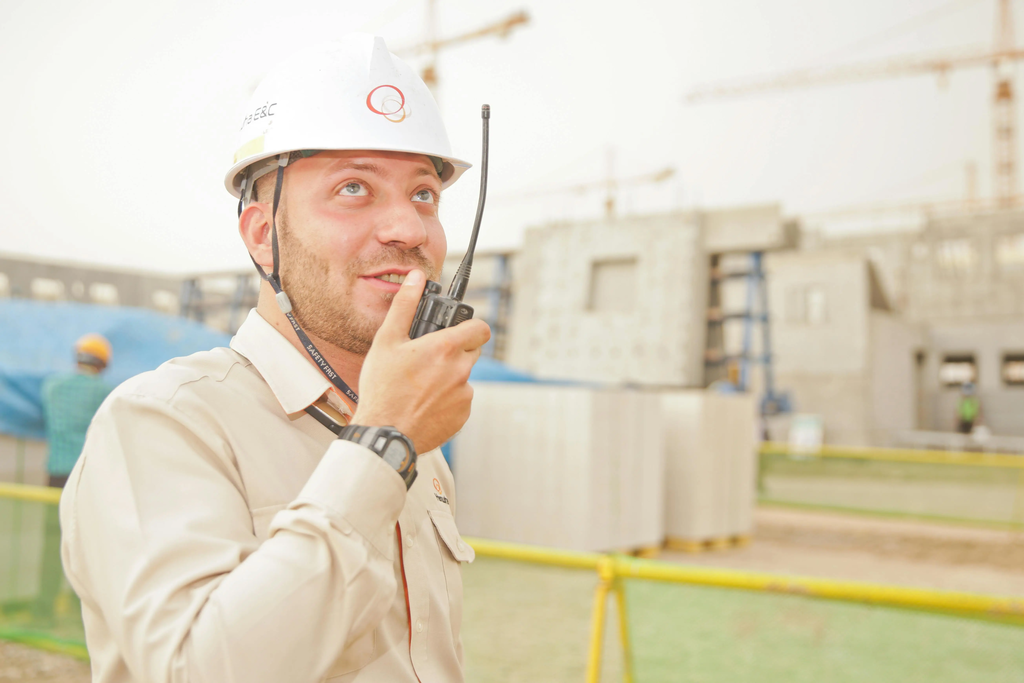
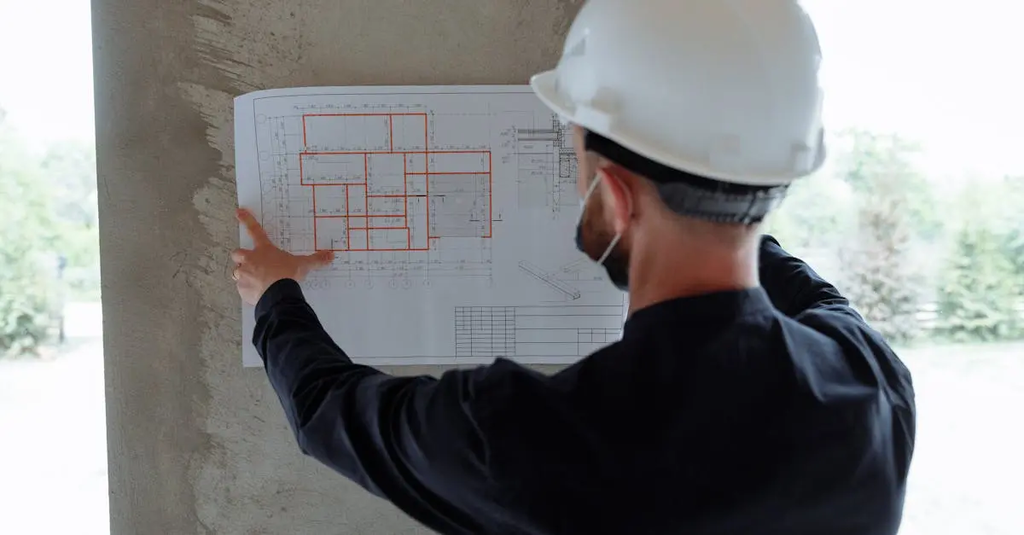
Employment opportunities in construction encompass a wide range of roles, from skilled trades like carpenters, electricians, and plumbers to project managers, engineers, and safety inspectors. The construction environment is dynamic, often requiring teamwork, adaptability, and problem-solving skills. Jobs can be found in residential, commercial, and infrastructure projects, offering both entry-level and advanced career paths. Technological advancements and sustainable practices are also creating new roles within the industry.
Employment Opportunities in Construction+50
Employment opportunities in construction encompass a wide range of roles, from skilled trades like carpenters, electricians, and plumbers to project managers, engineers, and safety inspectors. The construction environment is dynamic, often requiring teamwork, adaptability, and problem-solving skills. Jobs can be found in residential, commercial, and infrastructure projects, offering both entry-level and advanced career paths. Technological advancements and sustainable practices are also creating new roles within the industry.
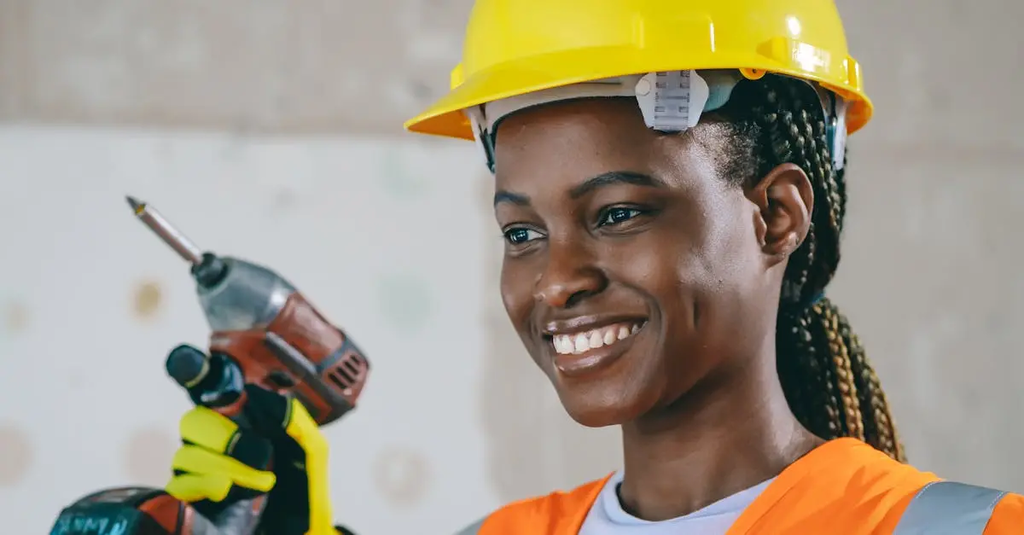
💡 Key Takeaways
- Identify the different construction career paths—from laborer to project manager—and what each role does.
- Explore key sectors (residential, commercial, civil) and the typical job opportunities within them.
- Learn essential training and certifications (such as safety courses and apprenticeships) that can start a construction career.
- Understand how to enter the field, build experience, and advance—from resume tips to networking and union vs non-union options.
❓ Frequently Asked Questions
What kinds of jobs are available in construction?
Construction offers a range of roles from skilled trades (carpentry, electrical, plumbing) to engineering, project management, and safety inspection.
What qualifications do I typically need to start a construction career?
Trades often require apprenticeships or certifications; engineering/PM roles usually need degrees, while safety positions may require specific trainings such as OSHA.
What skills help you succeed on a construction site?
Teamwork, adaptability, problem-solving, attention to detail, and a strong focus on safety are highly valued.
How does the construction environment affect work style?
Projects are dynamic, requiring coordination among teams, quick adaptation to changing conditions, and meeting deadlines.
What safety practices are essential on construction sites?
Wear proper PPE, follow site safety plans, report hazards, and complete required safety trainings.