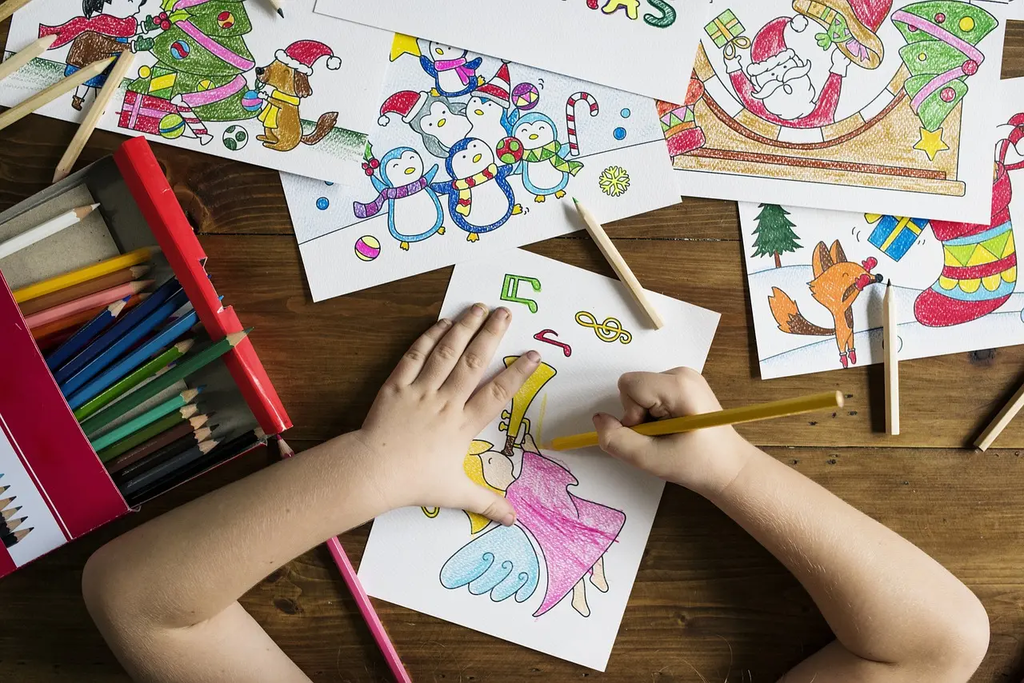
Encouraging creativity, arts, making, and design thinking in children aged 0–10 supports their cognitive, emotional, and social development. Engaging in creative activities helps children express themselves, solve problems, and build confidence. Artistic experiences foster imagination, fine motor skills, and innovative thinking, while hands-on making and design thinking nurture curiosity and resilience. These experiences lay a strong foundation for lifelong learning and adaptability in a rapidly changing world.
Encouraging creativity, arts, making, and design thinking
Encouraging creativity, arts, making, and design thinking in children aged 0–10 supports their cognitive, emotional, and social development. Engaging in creative activities helps children express themselves, solve problems, and build confidence. Artistic experiences foster imagination, fine motor skills, and innovative thinking, while hands-on making and design thinking nurture curiosity and resilience. These experiences lay a strong foundation for lifelong learning and adaptability in a rapidly changing world.

💡 Key Takeaways
- Learn ways to nurture creativity through arts, making, and design thinking.
- Master the basics of design thinking: empathize, define, ideate, prototype, test.
- Practice quick ideation and rapid prototyping to turn ideas into tangible outcomes.
- Build habits that encourage experimentation, collaboration, and iterative learning.
❓ Frequently Asked Questions
What is design thinking and why is it useful?
A human-centered problem-solving approach that uses empathy, iteration, and prototyping to create practical, innovative solutions.
What are the stages of design thinking?
Empathize, Define, Ideate, Prototype, and Test (revisit stages as needed).
What is maker culture?
A hands-on approach that emphasizes building, modifying, and learning through making things using tools and materials.
How do brainstorming and prototyping support creativity?
Brainstorming generates many ideas freely; prototyping turns ideas into tangible forms to test, learn, and refine.
What is the difference between creativity and innovation?
Creativity is generating new ideas; innovation turns those ideas into useful products or processes.